An Enduring Shield: The Lifelong Importance of Vaccinations
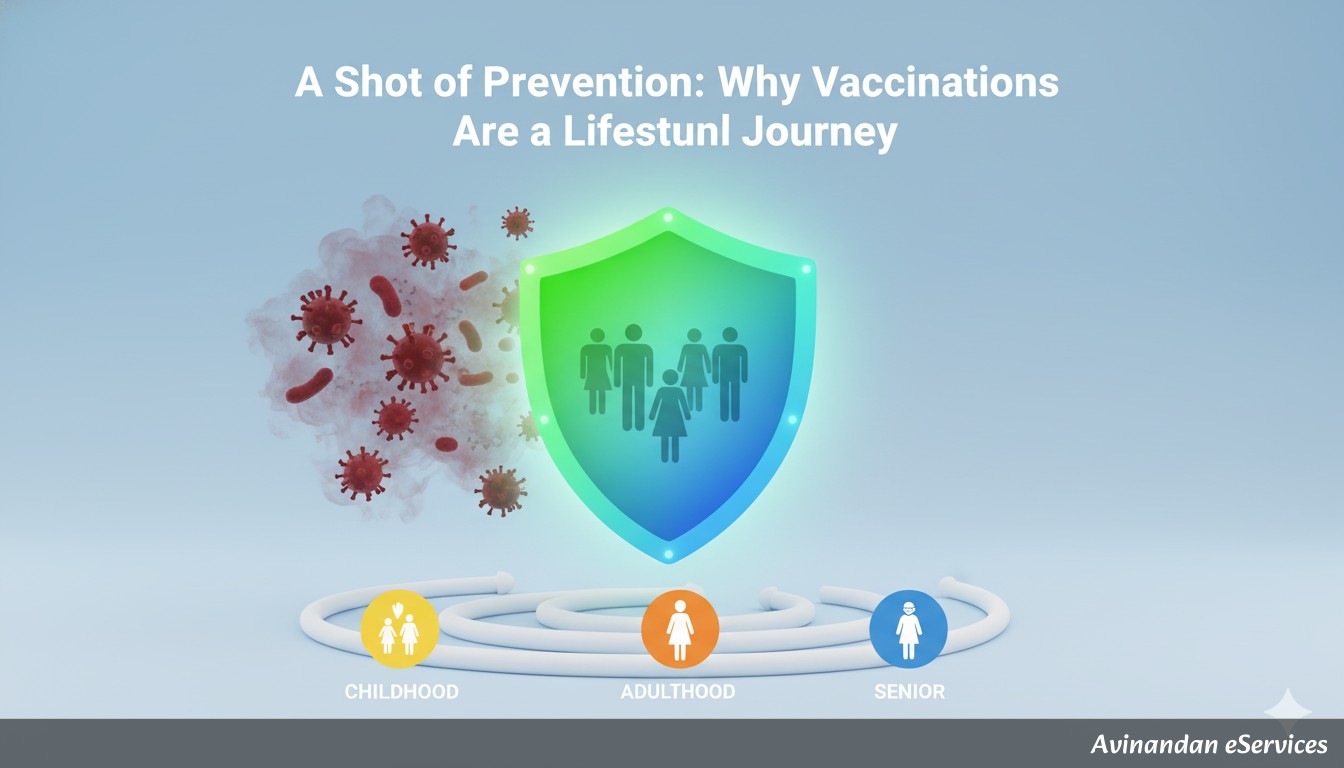
Many of us associate vaccinations with the series of shots received during childhood. While these early immunizations are fundamentally important, the need for vaccine protection does not end after adolescence. Vaccinations are a crucial component of preventive healthcare throughout every stage of life, offering a safe and effective shield against a host of potentially serious diseases. From annual flu shots to boosters and age-specific immunizations, staying up-to-date on your vaccines is one of the most powerful steps you can take to protect your health and the well-being of your community.
How Do Vaccines Work? A Training Camp for Your Immune System
Think of a vaccine as a training exercise for your immune system. Vaccines introduce a harmless piece of a virus or bacterium, such as a weakened or inactive part of the organism, called an antigen. Some newer vaccines even use genetic material (like mRNA) to provide the body with instructions to produce the antigen itself.
This exposure prompts your immune system to recognize the antigen as a foreign invader and produce antibodies to fight it off. More importantly, it creates 'memory cells.' These specialized cells remember the pathogen, so if you are ever exposed to the actual disease-causing germ in the future, your immune system can mount a rapid and effective defense, preventing illness or reducing its severity. This process allows you to build immunity without having to experience the full-blown illness, which can carry the risk of severe complications, long-term health issues, or even death.
Building a Foundation: Vaccinations for Infants and Children
The first years of life are a period of vulnerability, as a child's immune system is still developing. The childhood immunization schedule recommended by health authorities like the Centers for Disease Control and Prevention (CDC) is carefully designed to provide protection against 14 different diseases by the age of two. Following this schedule is vital for building a strong immune foundation.
Key Childhood Vaccines Include:
- DTaP: Protects against Diphtheria, Tetanus, and Pertussis (whooping cough).
- MMR: Protects against Measles, Mumps, and Rubella.
- Polio (IPV): A critical vaccine that has nearly eradicated a debilitating disease.
- Hepatitis A and B: Protect against viral infections that affect the liver.
- Hib and PCV: Guard against serious bacterial infections like meningitis and pneumonia.
These vaccines have been instrumental in dramatically reducing, and in some cases nearly eliminating, diseases that were once common and devastating.
Strengthening Defenses: Vaccinations for Adolescents and Young Adults
As children enter their pre-teen and teenage years, some childhood immunities can begin to wane, and they face new health risks. This life stage requires booster shots and new vaccines to ensure continued protection.
Key Adolescent Vaccines Include:
- Tdap: A booster shot for tetanus, diphtheria, and pertussis, recommended around ages 11-12. A Td or Tdap booster is then recommended every 10 years throughout adulthood.
- Human Papillomavirus (HPV): The HPV vaccine is a cancer-prevention powerhouse, protecting against the HPV strains that cause most cervical, anal, and throat cancers, as well as genital warts. The CDC recommends it for preteens aged 11-12.
- Meningococcal Conjugate (MenACWY): This vaccine protects against serious bacterial infections that can lead to meningitis (inflammation of the brain and spinal cord lining) and bloodstream infections. The first dose is typically given at 11-12 years old with a booster at age 16.
- Annual Influenza (Flu) Shot: The flu virus changes constantly, which is why an annual vaccination is recommended for everyone 6 months and older.
Maintaining Immunity: Vaccinations for Adults
The belief that vaccines are only for children is a dangerous misconception. Adults require ongoing vaccinations to maintain protection from diseases, especially as immunity from childhood shots fades over time.
Key Adult Vaccines Include:
- Annual Flu Shot: Every single year. Influenza is not the common cold; it can lead to serious complications like pneumonia, hospitalization, and death, especially in vulnerable populations.
- Td/Tdap Booster: As mentioned, a booster for tetanus and diphtheria is needed every 10 years.
- Shingles (Zoster): Shingles is a painful rash caused by the same virus that causes chickenpox. The CDC recommends the Shingrix vaccine for healthy adults 50 years and older.
- Pneumococcal Vaccines: These vaccines protect against pneumococcal disease, which can cause serious infections like pneumonia and meningitis. They are recommended for all adults 65 and older and for younger adults with certain chronic health conditions.
- COVID-19: Staying up-to-date with the latest COVID-19 vaccine recommendations is crucial for protecting against severe illness and hospitalization.
Other vaccines, such as those for Hepatitis A, Hepatitis B, and MMR, may be recommended based on your health status, lifestyle, job, or travel plans. It's essential to discuss your vaccination needs with your healthcare provider.
Protecting Our Seniors: Vaccinations in Older Adulthood
As we age, our immune systems naturally weaken, a process called immunosenescence. This makes older adults more susceptible to infections and more likely to experience severe complications. Vaccinations are a critical tool for maintaining health and independence in later years.
Key Vaccines for Older Adults (65+) Include:
- High-Dose or Adjuvanted Flu Vaccine: These shots are specifically designed to create a stronger immune response in older adults.
- Pneumococcal Vaccines: Protection against pneumonia is especially vital for this age group.
- Shingles Vaccine: The risk and severity of shingles increase with age.
- Td/Tdap Booster: Continued protection every 10 years is important.
- RSV Vaccine: Respiratory Syncytial Virus (RSV) can cause severe respiratory illness in older adults. A vaccine is available and recommended for those over 60.
A Note on Travel and Other Circumstances
International travel may expose you to diseases that are not common in your home country. Depending on your destination, you may need vaccines for diseases like yellow fever, typhoid, cholera, or Japanese encephalitis. It is crucial to consult a doctor or travel clinic at least 4 to 6 weeks before your trip to ensure you have time to get any necessary shots.
The Power of Community (Herd) Immunity
When you get vaccinated, you're not just protecting yourself—you're protecting your community. When a high percentage of the population is immunized, it becomes difficult for a disease to spread. This concept, known as 'community immunity' or 'herd immunity,' is critical for protecting the most vulnerable among us, including newborns who are too young to be vaccinated, people with weakened immune systems (such as those undergoing cancer treatment), and others who cannot receive certain vaccines for medical reasons.
Conclusion: Your Lifelong Health Partner
Vaccinations are one of the greatest public health achievements in history, saving millions of lives each year. They are a safe, effective, and essential part of a comprehensive health plan at every age. Viruses and bacteria that cause preventable diseases still exist, and the protection offered by vaccines is your best defense. Talk to your healthcare provider to ensure you and your loved ones are up-to-date on all recommended immunizations. It's a simple step that provides a lifetime of protection.
References
- Centers for Disease Control and Prevention (CDC) - Recommended Adult Immunization Schedule
- World Health Organization (WHO) - How do vaccines work?
- National Health Service (NHS) - NHS vaccinations and when to have them
- National Institute on Aging (NIA), NIH - Vaccinations and Older Adults
- The College of Physicians of Philadelphia - The History of Vaccines
Important Disclaimer
The information provided in this blog post is for educational and informational purposes only and is not intended as medical advice. It is not a substitute for professional medical advice, diagnosis, or treatment. Always seek the advice of your physician or other qualified health provider with any questions you may have regarding a medical condition. Never disregard professional medical advice or delay in seeking it because of something you have read here.