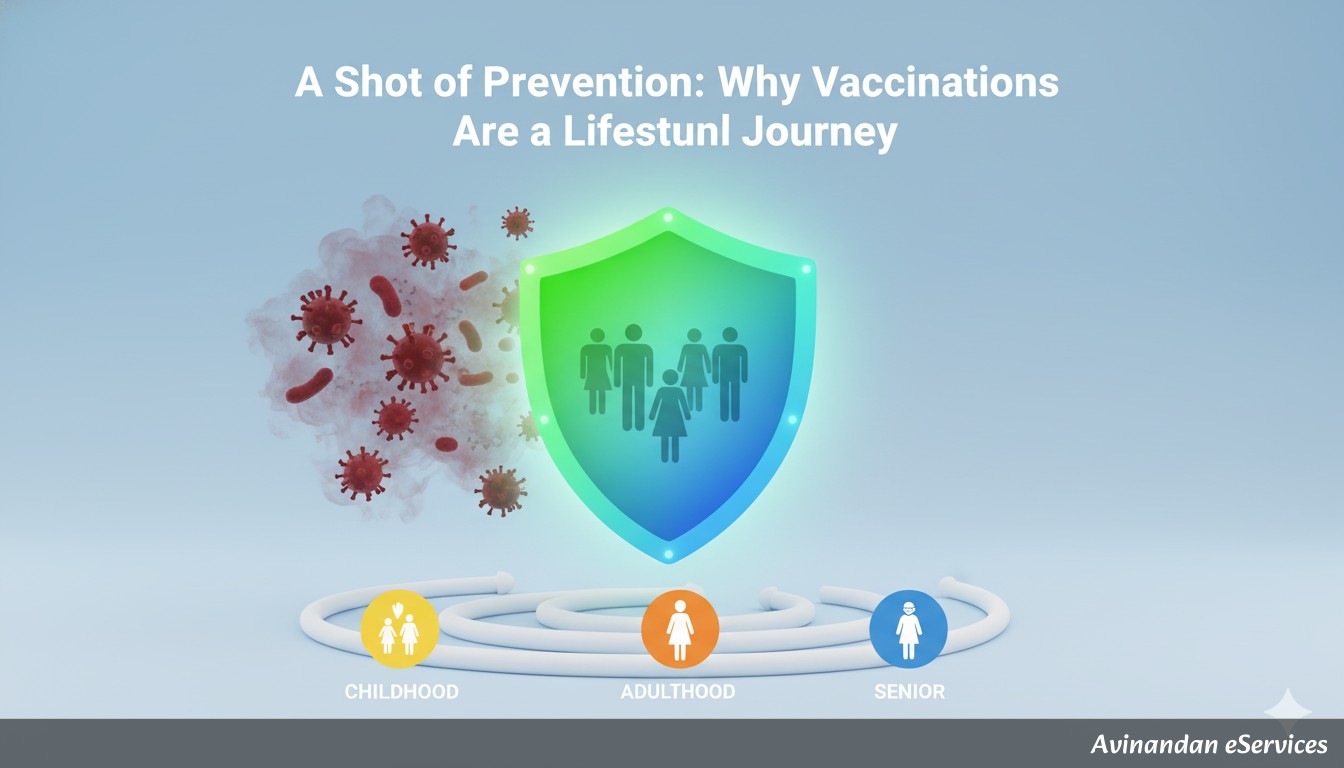
For centuries, humanity has sought ways to prevent illness and \textend life. Among the most significant public health achievements in history, few can rival the impact of vaccines. From eradicating smallpox to dramatically reducing the threat of diseases like polio and measles, immunization saves between 3.5 and 5 million lives every year globally. It stands as a cornerstone of preventive medicine, offering a safe and effective shield against a multitude of infectious diseases. This guide explores the remarkable science of vaccination, its importance throughout every stage of life, and why maintaining up-to-date immunizations is a vital investment in your personal and community health.
How Do Vaccines Work? A Training Camp for Your Immune System
Think of a vaccine as a training exercise for your body's natural defense system. Vaccines introduce a harmless piece of a germ (like a protein) or a killed or weakened version of the germ itself into your body. This exposure is not enough to make you sick, but it is enough to trigger your immune system to respond. It learns to recognize the germ as an invader and produces specialized proteins called antibodies to fight it. This process creates an "immunological memory." If you are ever exposed to the actual disease-causing germ in the future, your immune system will remember it, quickly deploy the right antibodies, and neutralize the threat before it can cause serious illness. It's a much safer way to build protection than getting the disease itself.
Immunization Through the Ages: Protection for a Lifetime
The need for vaccination doesn't end after childhood. Immunity can fade over time, and your risk for different diseases changes as you age. Staying current on vaccinations is a lifelong commitment to wellness.
Infants and Young Children: Building a Strong Foundation
The early years of life are when children are most vulnerable to severe illnesses. The childhood immunization schedule is carefully designed to provide protection against diseases like measles, mumps, rubella (MMR), whooping cough (pertussis), and polio when this vulnerability is highest. Following this schedule is one of the most important things a parent can do to safeguard their child's health and ensure they have a healthy start to life.
Adolescents and Teens: A Crucial Time for Boosters
As children enter their pre-teen and teenage years, protection from some childhood vaccines can begin to wear off. Boosters for diseases like tetanus, diphtheria, and whooping cough (Tdap) are crucial. This is also the prime time for other important vaccines, such as the human papillomavirus (HPV) vaccine, which protects against cancers caused by HPV, and the meningococcal vaccine, which guards against bacterial meningitis.
Adults: You Never Outgrow the Need for Vaccines
Many adults mistakenly believe that the shots they received as children are all they need. However, adults require ongoing protection. Key adult vaccinations include:
- The Annual Flu Shot: Influenza viruses change each year, so an annual vaccine is the best way to protect against seasonal flu, which can cause serious complications, especially in older adults and those with chronic health conditions.
- Td/Tdap Booster: A booster shot for tetanus and diphtheria is recommended every 10 years. The Tdap vaccine, which also includes protection against pertussis, is particularly important for adults who will be around newborns.
- Shingles Vaccine: For adults aged 50 and older, the shingles vaccine is recommended to prevent this painful rash.
- Pneumococcal Vaccines: These vaccines protect against pneumococcal disease, which can cause serious infections like pneumonia and meningitis. They are recommended for adults 65 and older and for younger adults with certain health conditions.
Your specific vaccination needs may also depend on your lifestyle, occupation, travel plans, and any underlying health conditions, so it's essential to discuss them with your doctor.
The Power of the Herd: Protecting the Entire Community
When you get vaccinated, you're not just protecting yourself; you're also protecting the most vulnerable people in your community. This concept is known as "herd immunity" or "community immunity." When a large percentage of the population is immune to a disease, it becomes much harder for that disease to spread from person to person. This creates a protective bubble around those who cannot be vaccinated, such as newborns who are too young, individuals with weakened immune systems (like chemotherapy patients), and the elderly. By choosing to vaccinate, you become a vital link in a chain of protection that keeps your entire community safer.
Addressing Common Vaccine Misconceptions
Despite overwhelming scientific evidence of their safety and effectiveness, vaccines are sometimes the subject of misinformation. Let's address some common myths with facts from medical experts:
- Myth: Vaccines cause autism.
Fact: This is one of the most widely discredited myths. Numerous large-scale scientific studies have found no link between any vaccine and autism. The original 1998 study that started this rumor was found to be fraudulent and was retracted. - Myth: Natural immunity is better than vaccine-acquired immunity.
Fact: While surviving an infection may provide strong immunity, it comes with serious risks. For example, a natural measles infection can lead to pneumonia, brain damage, or death. Vaccines help you build immunity without having to suffer through the potentially life-threatening illness first. - Myth: Vaccines overload a child's immune system.
Fact: A child's immune system successfully fights off thousands of germs every single day. The antigens in vaccines are a tiny fraction of what a child's immune system encounters in their daily environment. Scientific studies have shown that the recommended vaccine schedule is safe. - Myth: The diseases vaccines prevent are no longer a threat.
Fact: While many vaccine-preventable diseases are rare in countries with high vaccination rates, they have not been eliminated globally. With international travel, these diseases can be just a plane ride away and can quickly cause outbreaks in communities where vaccination rates have fallen.
Take Action for Your Health
Staying protected through vaccination is a simple yet powerful step for lifelong health. Here’s what you can do:
- Review Your Vaccination History: Try to locate your immunization records. If you can't find them, talk to your doctor. They can help determine what vaccines you may have had and what you might need.
- Consult Your Healthcare Provider: Schedule a conversation with your doctor to discuss which vaccines are recommended for you based on your age, health status, and other factors.
- Follow the Recommended Schedule: Trust the science-backed schedules provided by public health organizations. They are designed to provide the best protection at the most optimal times.
- Keep a Record: Once you are up-to-date, keep a personal record of your vaccinations for future reference.
Vaccination is a safe, proven, and powerful tool for disease prevention. By staying up-to-date on your immunizations, you are taking a crucial step to protect your own health, the health of your loved ones, and the well-being of your entire community.
References
- World Health Organization (WHO). (n.d.). Vaccines and immunization. Retrieved from https://www.who.int/health-topics/vaccines-and-immunization
- NHS. (2023, October 17). Why vaccination is safe and important. Retrieved from https://www.nhs.uk/conditions/vaccinations/why-vaccination-is-safe-and-important/
- Mayo Clinic. (n.d.). Immunizations and vaccine topics. Retrieved from https://www.mayoclinichealthsystem.org/topics/immunizations-vaccines
- Centers for Disease Control and Prevention (CDC). (n.d.). Vaccines for Your Children. Retrieved from https://www.cdc.gov/vaccines/parents/index.html
Important Disclaimer
The information provided in this blog post is for educational purposes only and is not a substitute for professional medical advice, diagnosis, or treatment. Always seek the advice of your physician or other qualified health provider with any questions you may have regarding a medical condition. Never disregard professional medical advice or delay in seeking it because of something you have read here.