Vikram: Zara! I was looking at photos from an African safari, and I saw a picture of a hippopotamus that looked like it was bleeding all over its face! My friend told me hippos sweat actual blood. Is that really true, or are hippos secret wild vampires?
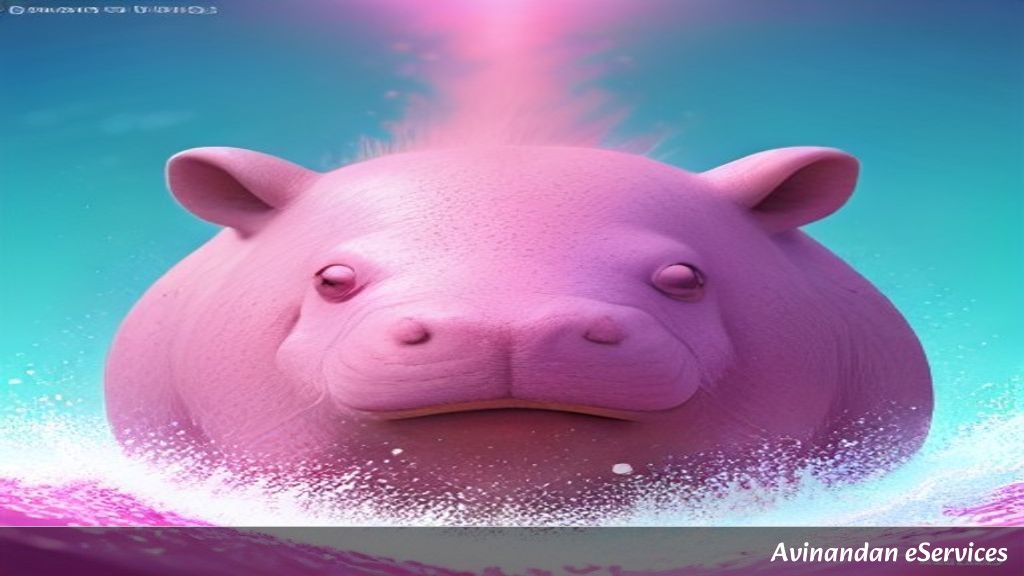
Zara: Haha! No, Vikram, hippos are definitely not secret vampires, and they aren't sweating blood either! But I completely understand why you thought that. Hippos produce a very thick, reddish-pink fluid on their skin. To anyone watching, it really does look like bright red blood or pink sweat!
Vikram: Whoa, really? If it isn't blood, and it isn't normal sweat, then what on Earth is that mysterious red liquid?
Zara: It is actually one of nature's most amazing survival inventions! Scientists call it 'blood sweat,' but technically, it isn't even real sweat. Humans sweat through sweat glands to cool down when we get hot. Hippos don't have sweat glands or oil glands at all. Instead, they have special glands under their skin that secrete a thick, oily fluid made of special organic chemical compounds!
Vikram: Oily chemical compounds? What kind of chemicals are inside this hippo liquid, Zara?
Zara: Great question! Scientists discovered that the reddish color comes from two primary pigments. They named them hipposudoric acid, which is bright red, and norhipposudoric acid, which is bright orange. When the fluid first comes out of the hippo's skin, it is completely clear and colorless. But within a few minutes of sitting in the sunlight, those chemical compounds react with oxygen and light, turning bright pinkish-red and then dark brown!
Vikram: That sounds like magic! But why would a hippo need bright pink oil all over its body? Does it do something special?
Zara: It certainly does! Think of it as the ultimate 3-in-1 natural body lotion. The first big job this fluid does is acting as a powerful natural sunscreen!
Vikram: Wait, hippos need sunscreen? Do they get sunburned just like us?
Zara: Even worse than us, actually! Hippos live in tropical regions of Africa where the sun is scorching hot. Unlike lions or zebras, hippos don't have thick fur to shade their skin. Their skin is smooth and sensitive. If a hippo stands out in the sun without protection, its skin will dry out, crack, and suffer severe sunburns. The red and orange pigments in hipposudoric acid absorb harmful ultraviolet (UV) radiation from the sun, blocking solar rays like SPF 50 sunscreen!
Vikram: Wow, that is unbelievable! So it keeps them from getting burned. What are the other two super powers of this liquid?
Zara: The second job is acting as a deep skin moisturizer and cooler. Because hippos spend hours wading in mud and rivers, their skin could easily get waterlogged or dry out in the warm wind when they leave the water. The oily texture of this fluid traps moisture inside their skin while repelling excess river water, keeping their hide smooth and healthy.
Vikram: That makes total sense! And what about the third super power?
Zara: The third job is antibacterial defense! Hippos are giant animals that can weigh over 1,500 kilograms, and male hippos frequently fight each other over territory using their huge, sharp canine teeth. These fights often result in deep cuts and scratches on their bodies.
Vikram: Ouch! Swimming in dirty, muddy river water with open wounds sounds like a recipe for terrible infections!
Zara: It would be for us, but not for hippos! Scientists tested hipposudoric acid in laboratories and found that even in very small amounts, it stops harmful bacteria like Pseudomonas aeruginosa and Streptococcus from growing. The pink slime acts as a natural antibiotic ointment that sanitizes their wounds while sealing them shut!
Vikram: That is astonishing! So every hippo carries its own built-in sunscreen, skin moisturizer, and antibiotic band-aid everywhere it goes!
Zara: Exactly! In fact, biomedical researchers are currently studying hippo sweat to see if we can copy its chemical structure. Scientists hope to design synthetic human sunscreens and medical bandages based on hippo liquid because it stays effective underwater and doesn't damage coral reefs or ocean ecosystems!
Vikram: Science is amazing! Next time I put on sunscreen at the beach, I'm going to pretend I'm turning into a super-protected hippo!
So, What Did We Learn Today?
- Not Blood, Not Sweat: Hippos do not sweat blood; they secrete a clear, oily fluid that turns pinkish-red when exposed to sunlight.
- Chemical Pigments: The red and orange colors come from two unique organic compounds named hipposudoric acid and norhipposudoric acid.
- Nature's 3-in-1 Protection: This liquid acts as a broad-spectrum sunscreen against UV rays, an oily moisturizer to prevent skin cracking, and a natural antibiotic to protect wounds from infection.
- Biomedical Inspiration: Scientists are studying hippo skin secretions to create safer, waterproof, ocean-friendly sunscreens and antibacterial bandages for humans.
Vikram: I learned so much today, Zara! Nature really thinks of everything!