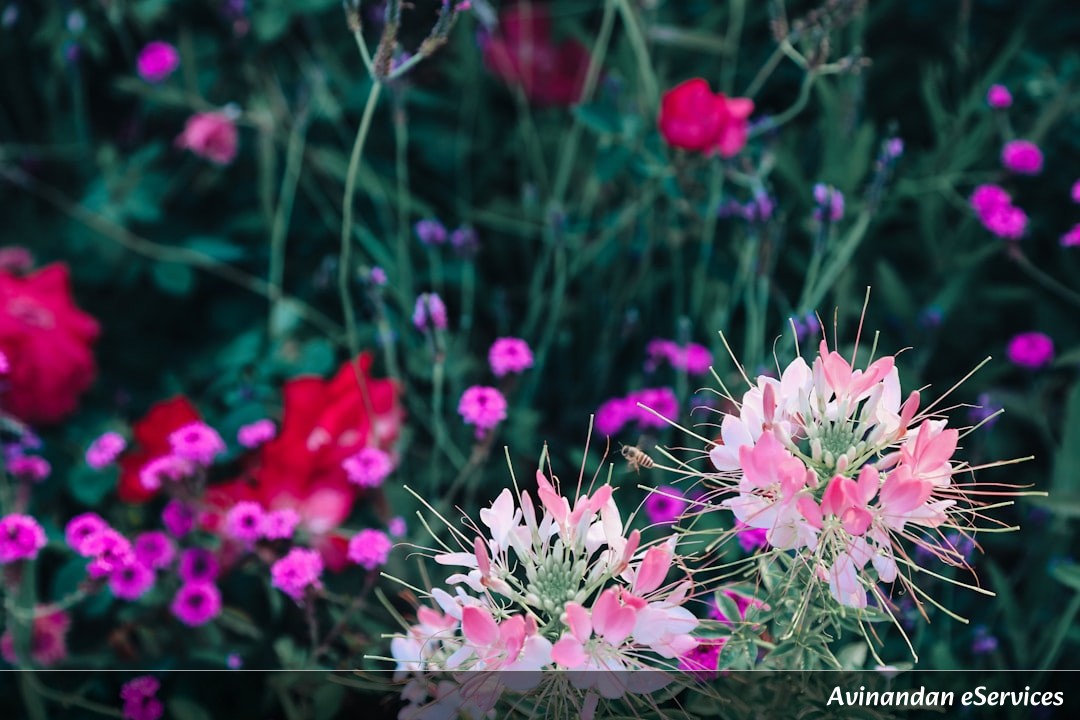
Arjun: Priya, you know how we have alarm clocks to wake us up for school? I was in my garden this morning, and I noticed the tulips were tightly closed, but a few hours later, they were wide open! Do flowers have internal clocks or something?
Priya: That is a brilliant observation, Arjun! You’ve stumbled upon a fascinating area of botany called chronobiology. Some flowers, like tulips and morning glories, actually do have a built-in sense of time and temperature, which helps them open and close at just the right moments.
Arjun: Wait, really? How do they do that without a brain or a battery? That sounds like magic!
Priya: It isn't magic, it is science! This movement is called nastic movement. Specifically, it is thermonasty and photonasty. When the temperature rises or the light level changes, the cells on the inner and outer sides of the flower petals grow at different speeds.
Arjun: Different speeds? Does that make them bend?
Priya: Exactly! Think of it like a hinge. If the inner side of the petal grows faster than the outer side, the petal is pushed outward, and the flower opens. When the temperature drops in the evening, the outer cells grow more, which curls the petal inward and shuts the flower tight. It is basically a physical reaction to the environment acting as a biological thermometer.
Arjun: That is incredible. But why go through all that trouble to close up? Wouldn't it be easier to just stay open all the time?
Priya: Great question! It is all about survival. Closing at night or during cold snaps protects the delicate pollen inside from moisture, frost, or dew. It also helps conserve energy. Some flowers even time their opening to when their specific insect pollinators, like bees or butterflies, are most active during the day.
Arjun: So they are basically timing their breakfast parties for when the guests are around! That is so smart. Is this why they say some gardens can actually tell time?
Priya: You are thinking of a 'floral clock'! A famous scientist named Carl Linnaeus actually designed a garden where he planted different flowers that opened and closed at specific hours. By looking at which flowers were blooming, you could estimate the time of day!
So, What Did We Learn Today?
Priya: We learned that plants are much more active than they look! Here are the key points:
- Flowers use a process called nastic movement to open and close their petals.
- Temperature and light act as signals that cause cells on different sides of a petal to grow at different rates, forcing the flower to bend.
- This behavior protects pollen from harsh nighttime conditions like dew and cold.
- These biological rhythms help flowers maximize their chances of being pollinated by insects.
Arjun: I’m definitely going to keep a closer watch on my garden now. Who knew my tulips were such experts at time-keeping? It makes the garden feel like a giant, living science experiment!