Kabir: Hey Ananya! I was reading a comic book today, and one of the superhero characters had a heat-blaster built directly into their armor. It got me thinking... do any real animals actually shoot boiling liquids or chemical explosions in real life? Or is that strictly fictional?
Ananya: Kabir, you are going to love this! It is definitely not just fiction. Nature actually came up with that superpower millions of years before comic books were even thought of! Have you ever heard of a tiny insect called the Bombardier Beetle?
Kabir: A Bombardier Beetle? That sounds like a miniature military airplane! What does it do?
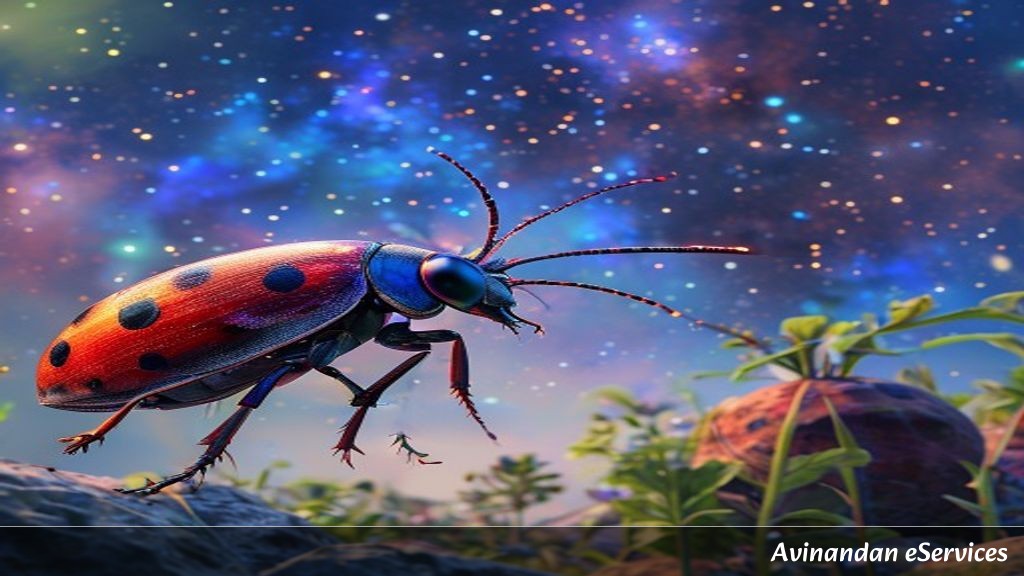
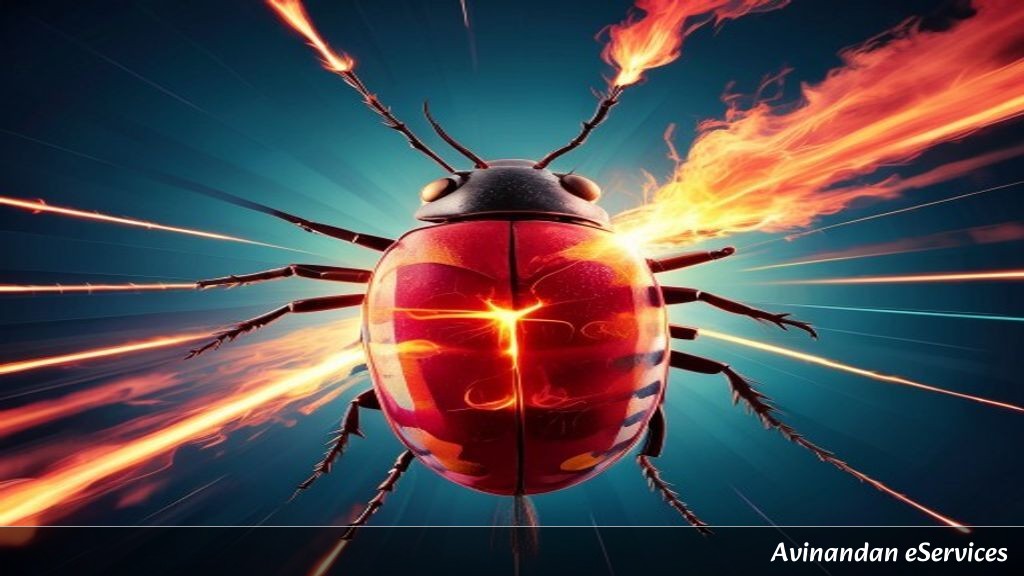
Ananya: It’s a ground beetle, usually less than an inch long, but it carries a biological rocket engine inside its abdomen! When a predator like a hungry toad, bird, or ant tries to attack it, the beetle fires a boiling hot, toxic chemical spray directly into its enemy's face with a loud popping sound!
Kabir: Wait, hold on a second! Did you say boiling hot?! Like, boiling tea temperature hot?
Ananya: Exactly! The chemical spray reaches a temperature of 100 degrees Celsius—which is 212 degrees Fahrenheit, the exact boiling point of water. It is so hot, noisy, and painful that predators immediately drop the beetle and run away!
Kabir: That is incredible! But wait... if the chemical liquid inside the beetle is boiling hot, how does the beetle not blow ITSELF up? Why doesn't its tummy melt?
Ananya: That is the absolute genius of beetle chemistry! The beetle doesn't carry boiling fluid around inside its body all day. Instead, it stores two completely safe, harmless liquids in separate storage tanks inside its abdomen. One tank holds chemicals called hydroquinones, and the other holds hydrogen peroxide.
Kabir: Ah, I get it! It keeps the ingredients separate until it needs to mix them! Just like a two-part epoxy glue!
Ananya: Spot on, Kabir! As long as those two liquids stay in their separate tanks, nothing happens. But when the beetle feels threatened, it squeezes special muscle valves to push a tiny bit of both liquids into a separate, reinforced reaction chamber near its tail end.
Kabir: And what happens inside that reaction chamber?
Ananya: Inside that chamber, the beetle secretes special biological helper molecules called enzymes—specifically, catalase and peroxidase. The moment the chemicals touch those enzymes, BOOM! A rapid chemical reaction occurs. The hydrogen peroxide breaks down into oxygen gas and water, releasing a massive amount of thermal energy in milliseconds!
Kabir: So the chemical reaction heats up the water to a boil instantly!
Ananya: Exactly! The liquid rapidly reaches 100°C, turning part of the mixture into high-pressure steam. Now, you asked why the beetle doesn't hurt itself. The walls of this reaction chamber are lined with \textra-thick chitin—the same hard material that makes up insect shells—plus specialized heat-resistant proteins. It acts like a mini thermos and blast shield protecting the beetle's vital organs!
Kabir: Wow, nature is an amazing mechanical engineer! How does the beetle actually launch the spray out?
Ananya: As the gas pressure builds up, a safety valve snaps open, forcing the boiling liquid out through a nozzle at the tip of its abdomen. But here’s another mind-blowing fact: it doesn't fire in one continuous squirt. It fires in rapid-fire pulses—up to 500 to 1,000 pulses per second!
Kabir: A thousand pulses a second?! That literally sounds like a rapid-fire machine gun!
Ananya: It practically is! Scientists used high-speed X-ray cameras to study this. They discovered that pulsing the spray gives the reaction chamber microscopic fractions of a second to cool down between blasts, preventing the nozzle from melting or hurting the beetle.
Kabir: That is brilliant! Can the beetle aim the spray, or does it just shoot blindly behind itself?
Ananya: Oh, its aim is terrifyingly accurate! The tip of the beetle's abdomen can rotate almost 360 degrees, just like a turret on a tank. Whether a hungry spider attacks from the front, side, or back, the beetle bends its abdomen and blasts the enemy dead-on.
Kabir: Has a bombardier beetle ever been swallowed whole before it could shoot?
Ananya: Actually, yes! In a famous scientific experiment, a toad swallowed a bombardier beetle whole. But inside the dark, slimy stomach of the toad, the beetle kept blasting its boiling spray over and over. Within a short time, the toad felt so sickened by the explosive pops that it vomited the beetle back out! The beetle just dusted itself off and strolled away completely unharmed!
Kabir: That beetle is a true legend! Are human scientists trying to copy this technology?
Ananya: Absolutely! Engineers study the bombardier beetle's pulse-jet mechanism to invent better fuel injectors for car engines, agricultural spray nozzles, fire \textinguishers, and even gentler drug delivery devices for medical inhalers.
Kabir: It’s amazing how much we can learn from a bug that isn't even bigger than my fingernail!
So, What Did We Learn Today?
- Nature's Blast Defense: Bombardier beetles can blast predators with a toxic spray heated to 100°C (212°F)—the boiling point of water!
- Safe Internal Storage: The beetle stores two harmless chemicals (hydroquinones and hydrogen peroxide) in separate internal tanks so it doesn't hurt itself.
- Instant Chemical Reaction: When threatened, it mixes the chemicals with enzymes in an armored reaction chamber, triggering a heat-releasing reaction.
- Rapid Pulse-Jet Spraying: The beetle shoots the boiling mixture in rapid pulses—up to 1,000 times per second—to manage heat and pressure safely.
- 360-Degree Aim: A flexible abdominal tip allows the beetle to aim its boiling spray precisely in almost any direction.
Kabir: Next time I see a small beetle crawling in the garden, I'm definitely giving it plenty of respect!
Ananya: Smart idea, Kabir! Science is full of incredible natural inventions right under our feet!