Introduction to The Delhi Sultanate for RRB Exams
Welcome, future railway professionals! If you are gearing up for the RRB NTPC, Group D, or Technician exams, you know that the General Awareness section is a vast ocean of knowledge. A significant part of this section is Indian History, and within it, the Medieval period holds a special place. Today, we will embark on a detailed journey through one of the most important and high-weightage topics from this era: The Delhi Sultanate (1206-1526). This 320-year period was not just a chapter in history books; it was a transformative era that shaped the political, social, and cultural landscape of the Indian subcontinent. For an RRB aspirant, a thorough understanding of the five dynasties, their key rulers, and their contributions is non-negotiable for scoring high marks. This comprehensive guide is designed to break down this complex topic into manageable sections, complete with key facts, important events, practice questions, and expert tips to help you conquer this topic with confidence.
Topic Weightage and Importance in RRB Exams
Why should you dedicate precious study time to the Delhi Sultanate? The answer lies in the pattern of previous years' question papers for RRB exams. The Medieval Indian History section consistently contributes a good number of questions to the General Awareness paper, and the Delhi Sultanate is a recurring favourite of examiners.
- RRB NTPC: You can expect 2-3 questions directly or indirectly from this topic in the CBT-1 and CBT-2 stages.
- RRB Group D: Similarly, 1-2 questions related to the Sultanate period frequently appear in the exam.
- RRB Technician: The General Awareness section in the Technician exam also features questions from Indian History, and the Delhi Sultanate is a key area.
Questions are typically factual and revolve around key rulers, their administrative reforms (like market policies, iqta system), architectural contributions (like Qutub Minar), and significant battles (like the Battles of Panipat and Tarain). Mastering this topic ensures you can confidently secure these crucial marks, giving you a competitive edge.
The Five Dynasties of the Delhi Sultanate
The Delhi Sultanate was not a single, continuous empire but a succession of five distinct dynasties that ruled from Delhi. Remembering their chronological order is the first step to mastery. A simple mnemonic to remember the order is: "Smart Kids Take Science Lessons" (Slave, Khalji, Tughlaq, Sayyid, Lodi).
| Dynasty | Period | Founder | Last Ruler |
|---|---|---|---|
| Mamluk (Slave) Dynasty | 1206 - 1290 | Qutb-ud-din Aibak | Muiz-ud-din Qaiqabad |
| Khalji Dynasty | 1290 - 1320 | Jalal-ud-din Khalji | Khusro Khan |
| Tughlaq Dynasty | 1320 - 1414 | Ghiyas-ud-din Tughlaq | Nasir-ud-din Mahmud Shah Tughlaq |
| Sayyid Dynasty | 1414 - 1451 | Khizr Khan | Ala-ud-din Alam Shah |
| Lodi Dynasty | 1451 - 1526 | Bahlul Lodi | Ibrahim Lodi |
1. The Mamluk (Slave) Dynasty (1206-1290)
The first dynasty to rule the Sultanate was founded by Qutb-ud-din Aibak, a former slave (Mamluk) of Muhammad Ghori. This is why it's known as the Slave Dynasty.
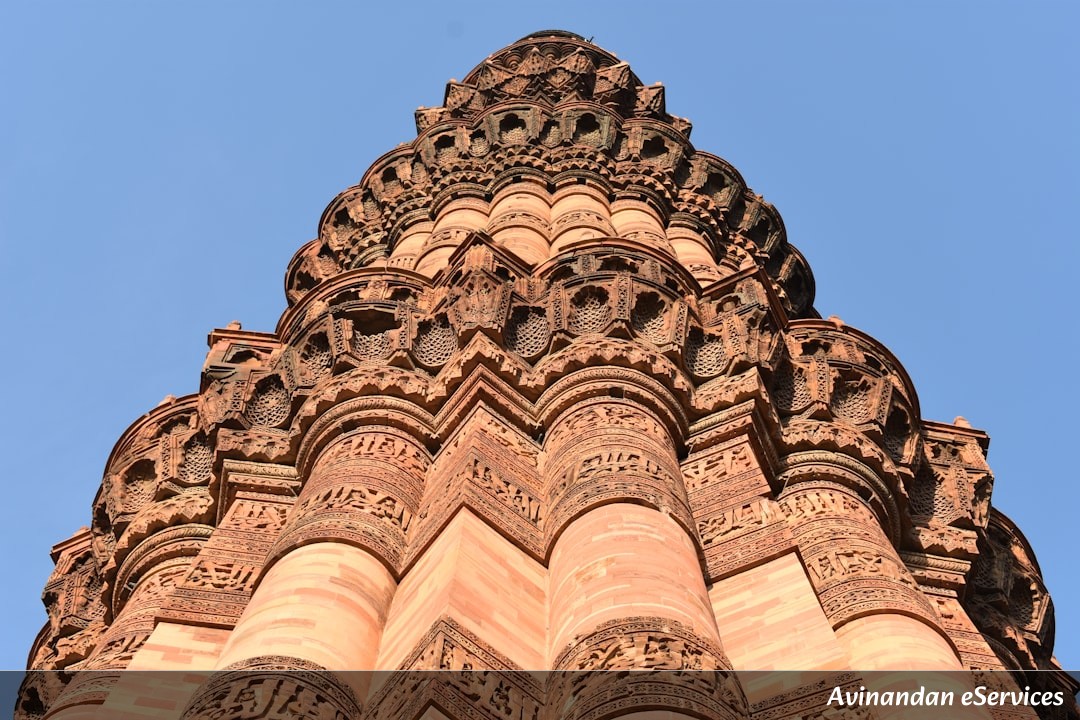
- Qutb-ud-din Aibak (1206-1210): The founder of the Sultanate and the dynasty. He was known as 'Lakh Bakhsh' (giver of lakhs) for his generosity. He started the construction of the Qutub Minar in Delhi and the Quwwat-ul-Islam mosque. He died in an accident while playing Chaugan (polo).
- Shams-ud-din Iltutmish (1211-1236): Considered the real consolidator of the Delhi Sultanate. He saved the Sultanate from the Mongol threat of Genghis Khan. Key contributions include:
- Introduced the Iqtadari system (land grants to nobles in lieu of salary).
- Organised the 'Turkan-i-Chahalgani' or 'Chalisa' (a council of 40 powerful Turkic nobles).
- Introduced silver coins (Tanka) and copper coins (Jital).
- Completed the construction of the Qutub Minar.
- Razia Sultan (1236-1240): The first and only female Muslim ruler of the Delhi Sultanate. She was nominated by her father, Iltutmish, but faced severe opposition from the orthodox nobles (the Chalisa). Her reign was short-lived, but she is remembered for her courage and administrative skills.
- Ghiyas-ud-din Balban (1266-1287): A powerful member of the Chalisa who eventually became the Sultan. He was known for his stern policies to restore the power and prestige of the monarchy. He broke the power of the Chalisa, established a strong spy system, and introduced the Persian court customs of Sijda (prostration) and Paibos (kissing the Sultan's feet).
2. The Khalji Dynasty (1290-1320)
The Khaljis marked a period of imperial expansion and radical administrative reforms.
- Jalal-ud-din Khalji (1290-1296): The founder of the dynasty. He was known for his lenient policies but was murdered by his ambitious nephew and son-in-law, Alauddin Khalji.
- Alauddin Khalji (1296-1316): The most powerful and famous ruler of this dynasty. His reign is known for:
- Military Campaigns: He successfully repelled multiple Mongol invasions. His general, Malik Kafur, led successful expeditions into South India (Deccan), conquering kingdoms like Devagiri, Warangal, and Madurai.
- Market Control Policy: To maintain a large army with limited resources, he introduced a revolutionary market control system, fixing the prices of all essential commodities. He established separate markets (Shahna-i-Mandi) and appointed officials to enforce the price controls strictly.
- Administrative Reforms: He introduced the system of branding horses (Dagh) and maintaining a descriptive roll of soldiers (Chehra) to prevent corruption. He also confiscated religious endowments and free lands (Inam/Waqf).
- Architecture: He built the famous Alai Darwaza, an entrance to the Qutub Minar complex, and the Siri Fort.
3. The Tughlaq Dynasty (1320-1414)
This was the longest-ruling dynasty of the Sultanate, known for its ambitious but often flawed projects.
- Ghiyas-ud-din Tughlaq (1320-1325): The founder, also known as Ghazi Malik. He restored order after the turmoil at the end of the Khalji rule and founded the city of Tughlaqabad.
- Muhammad-bin-Tughlaq (1325-1351): A brilliant but eccentric ruler, often called the 'wise fool'. His ambitious projects were well-intentioned but poorly executed, leading to widespread misery.
- Transfer of Capital: He shifted the capital from Delhi to Devagiri (renamed Daulatabad) in the Deccan to control South India better, but the move was disastrous and had to be reversed.
- Introduction of Token Currency: Inspired by a Chinese example, he introduced bronze coins at par with the value of silver coins (Tanka). However, due to mass counterfeiting, this experiment failed and had to be withdrawn.
- Taxation in Doab: He increased land tax in the Ganga-Yamuna doab region during a severe famine, leading to a peasant revolt.
- Diwan-i-Kohi: He created a new department of agriculture to improve cultivation.
- Firoz Shah Tughlaq (1351-1388): Known for his public works and religious orthodoxy. He built numerous canals, hospitals (Dar-ul-Shifa), and cities like Firozabad and Jaunpur. He imposed the Jizya (poll tax) on non-Muslims, including Brahmins who were previously exempt. The invasion of Timur in 1398 during the reign of his successor weakened the dynasty significantly.
4. The Sayyid Dynasty (1414-1451)
Following the chaos after Timur's invasion, the Sayyids came to power. Their rule was relatively short and confined to Delhi and its surrounding areas.
- Khizr Khan (1414-1421): The founder of the dynasty. He did not assume the title of Sultan and claimed to rule as a viceroy of Timur's successor.
5. The Lodi Dynasty (1451-1526)
The Lodis were the first Afghan dynasty to rule the Delhi Sultanate.
- Bahlul Lodi (1451-1489): The founder who consolidated the Sultanate's grip over North India.
- Sikandar Lodi (1489-1517): Considered the ablest Lodi ruler. He founded the city of Agra in 1504 and made it his capital. He was a stern administrator but also a religious fanatic.
- Ibrahim Lodi (1517-1526): The last ruler of the Delhi Sultanate. His arrogant nature alienated the Afghan nobles. One of his discontented nobles, Daulat Khan Lodi (Governor of Punjab), invited Babur to invade India. In the First Battle of Panipat (1526), Babur's forces, with their superior artillery and cavalry tactics, defeated and killed Ibrahim Lodi, marking the end of the Delhi Sultanate and the beginning of the Mughal Empire.
Solved Examples (Step-by-Step)
Let's tackle some questions similar to those asked in RRB exams to solidify our understanding.
Example 1: Who among the following Delhi Sultans is known for introducing the 'Market Control Policy'?
(A) Ghiyas-ud-din Balban
(B) Iltutmish
(C) Alauddin Khalji
(D) Muhammad-bin-Tughlaq
Step-by-step Solution: 1. Analyze the question: The question asks for the Sultan who introduced the 'Market Control Policy'. 2. Recall the key features of each ruler: * Balban was known for 'Sijda' and 'Paibos' and breaking the power of the 'Chalisa'. * Iltutmish introduced the 'Iqta' system and silver 'Tanka'. * Alauddin Khalji needed to maintain a large army to fight Mongols and for his expansionist policies. To do this with limited revenue, he regulated the prices of goods. * Muhammad-bin-Tughlaq is famous for the capital shift and token currency. 3. Match the policy with the ruler: The Market Control Policy is the most famous reform of Alauddin Khalji. 4. Conclusion: The correct answer is (C) Alauddin Khalji.
Example 2: The construction of the Qutub Minar was started by Qutb-ud-din Aibak and completed by ________.
(A) Razia Sultan
(B) Shams-ud-din Iltutmish
(C) Ghiyas-ud-din Balban
(D) Firoz Shah Tughlaq
Step-by-step Solution: 1. Analyze the question: The question asks who completed the Qutub Minar after its construction was started by Qutb-ud-din Aibak. 2. Recall historical facts about Qutub Minar: Qutb-ud-din Aibak laid the foundation of the first storey. His successor and son-in-law, Iltutmish, added three more storeys to complete the structure. 3. Consider other options: Firoz Shah Tughlaq later repaired the monument after it was damaged by lightning and added the fifth and final storey. However, the initial completion is credited to Iltutmish. 4. Conclusion: The correct answer is (B) Shams-ud-din Iltutmish.
Example 3: The First Battle of Panipat in 1526 was fought between:
(A) Babur and Sikandar Lodi
(B) Akbar and Hemu
(C) Babur and Ibrahim Lodi
(D) Humayun and Sher Shah Suri
Step-by-step Solution: 1. Identify the event: The First Battle of Panipat, 1526. 2. Recall the significance: This battle marked the end of the Delhi Sultanate and the beginning of the Mughal Empire. 3. Identify the participants: The last ruler of the Lodi dynasty (and the Delhi Sultanate) was Ibrahim Lodi. He was challenged by the invading Mughal founder, Babur. 4. Conclusion: The battle was fought between Babur and Ibrahim Lodi. The correct answer is (C).
Common Mistakes to Avoid
- Confusing Rulers' Chronology: Don't mix up the sequence of rulers within a dynasty (e.g., thinking Balban came before Razia). Create a timeline for each dynasty.
- Mixing Up the Dynasties: A common mistake is misremembering the order of the five dynasties. Use the mnemonic "Smart Kids Take Science Lessons" to keep it straight.
- Ignoring Administrative/Economic Terms: Terms like Iqta, Chalisa, Dagh, Chehra, Jizya, Tanka, and Jital are frequently asked. Create a glossary of these terms and their meanings.
- Confusing 'Founder' and 'Real Founder': Qutb-ud-din Aibak was the founder of the Slave Dynasty, but Iltutmish is often called the 'real consolidator' or 'real founder' of the Sultanate's power. Understand the distinction.
- Overlooking Art and Architecture: Questions on monuments like Qutub Minar, Alai Darwaza, and cities like Agra are common. Link each monument to its patron Sultan.
Practice Questions with Solutions
Test your knowledge with these practice questions. The answers are provided at the end.
Question 1: Who was the first female ruler of the Delhi Sultanate?
(a) Nur Jahan
(b) Mumtaz Mahal
(c) Razia Sultan
(d) Chand Bibi
Question 2: The infamous 'token currency' was introduced in India by which Sultan?
(a) Alauddin Khalji
(b) Muhammad-bin-Tughlaq
(c) Firoz Shah Tughlaq
(d) Sikandar Lodi
Question 3: The system of 'Dagh' (branding of horses) and 'Chehra' (descriptive roll of soldiers) was introduced by:
(a) Iltutmish
(b) Balban
(c) Ghiyas-ud-din Tughlaq
(d) Alauddin Khalji
Question 4: Which city was founded by Sikandar Lodi in 1504?
(a) Agra
(b) Delhi
(c) Fatehpur Sikri
(d) Daulatabad
Question 5: The powerful council of 40 nobles, known as 'Turkan-i-Chahalgani' or 'Chalisa', was organised by:
(a) Qutb-ud-din Aibak
(b) Iltutmish
(c) Balban
(d) Alauddin Khalji
Question 6: The reign of the Delhi Sultanate ended after which battle?
(a) Second Battle of Tarain
(b) Battle of Khanwa
(c) First Battle of Panipat
(d) Battle of Talikota
Question 7: Which Tughlaq ruler was known for his \textensive public works, including the construction of canals and hospitals?
(a) Ghiyas-ud-din Tughlaq
(b) Muhammad-bin-Tughlaq
(c) Firoz Shah Tughlaq
(d) Nasir-ud-din Mahmud
Solutions:
1. (c) Razia Sultan
2. (b) Muhammad-bin-Tughlaq
3. (d) Alauddin Khalji
4. (a) Agra
5. (b) Iltutmish
6. (c) First Battle of Panipat
7. (c) Firoz Shah Tughlaq
Frequently Asked Questions (FAQs)
- Q1: What is the correct chronological order of the Delhi Sultanate dynasties?
- The correct order is Mamluk (Slave) Dynasty, followed by the Khalji, Tughlaq, Sayyid, and finally the Lodi Dynasty. Remember the mnemonic: Smart Kids Take Science Lessons.
- Q2: Who were the first and last rulers of the Delhi Sultanate?
- The first ruler of the Delhi Sultanate was Qutb-ud-din Aibak (founder of the Slave Dynasty) who began his rule in 1206. The last ruler was Ibrahim Lodi (of the Lodi Dynasty), who was defeated and killed by Babur in 1526.
- Q3: Why is Razia Sultan a significant figure in the history of the Sultanate?
- Razia Sultan is highly significant as she was the first and only female Muslim to rule the Delhi Sultanate. Despite her short and troubled reign, her ascension to the throne challenged the patriarchal norms of the time, and she is remembered for her administrative acumen and bravery.
- Q4: What were the main causes for the decline of the Delhi Sultanate?
- The decline was caused by a combination of factors: weak and incompetent successors, flawed policies of rulers like Muhammad-bin-Tughlaq, discontent among nobles, provincial governors declaring independence, and devastating foreign invasions, most notably by Timur in 1398. The final blow was delivered by Babur's invasion in 1526.
Conclusion and Final Tips
The Delhi Sultanate is a vast but fascinating topic. Mastering it requires a structured approach rather than rote memorization. As you prepare for your RRB exams, focus on understanding the cause-and-effect relationships—why a ruler introduced a certain policy or why a dynasty declined. Here are some final tips:
- Create Timelines: Draw a large timeline and mark the five dynasties and their most important rulers. This visual aid will help you remember the sequence of events.
- Make Thematic Notes: Instead of just studying dynasty-wise, create notes on themes like 'Administrative Reforms', 'Architectural Contributions', and 'Key Battles' across all dynasties. This will help you compare and contrast.
- Practice Previous Year Questions (PYQs): Regularly solve PYQs from RRB NTPC and Group D papers to understand the types of questions asked from this topic.
- Use Mnemonics: Create your own fun mnemonics to remember difficult names, dates, and sequences.
By investing time in understanding the Delhi Sultanate, you are not just preparing for 2-3 questions; you are building a strong foundation in Indian History that will be beneficial for the entire General Awareness section. Stay focused, revise regularly, and walk into the examination hall with the confidence of a Sultan! All the best!