Kabir: Isha, I am trying to fly my new drone, but my arms are so tired just holding the controller! How do birds like albatrosses and frigatebirds stay up in the air for weeks and months without getting super sleepy?
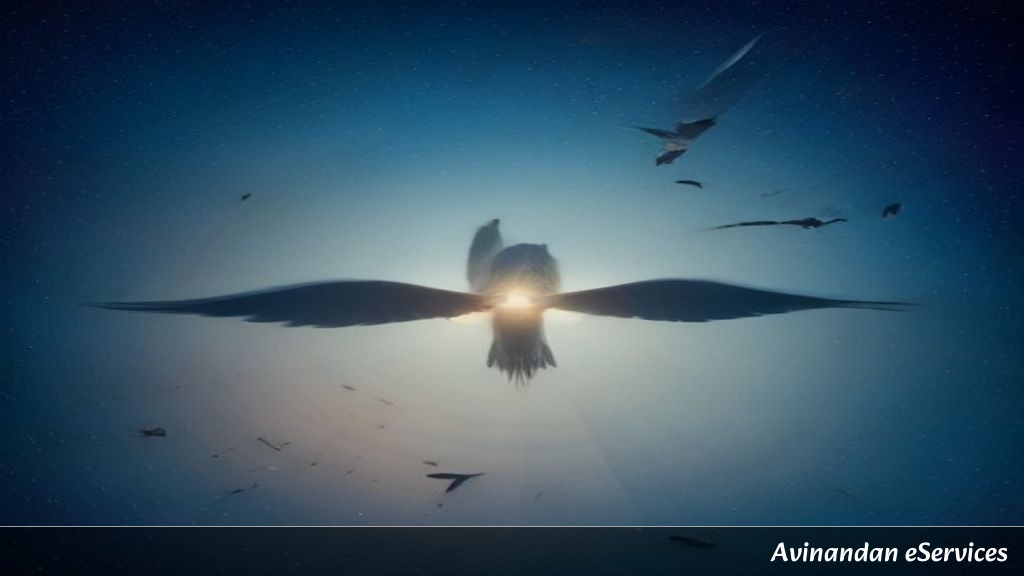
Isha: That is an awesome question, Kabir! It turns out that some soaring birds have a superpower called unihemispheric slow-wave sleep. They can literally sleep while they are flying!
Kabir: Wait, what? You are telling me they take a nap while zooming through the clouds? Won't they crash into a tree or fall right out of the sky?
Isha: Not at all! Only one half of their brain sleeps at a time. The other half stays wide awake to watch where they are going and make sure their wings keep flapping or soaring properly.
Wow, how does that work in their actual brain?
Isha: Scientists have actually tested this by putting tiny brainwave monitors on wild great frigatebirds. They found that these birds sleep for just about 42 minutes a day while flying, mostly in short bursts lasting only a few seconds each!
Kabir: Only 42 minutes? If I slept that little, I would be super grumpy! How do their bodies handle staying awake so much?
Isha: That is the biggest mystery for scientists! When humans or other animals don't get enough normal sleep, our brains start failing. But these master gliders use updrafts of wind, catching thermal columns to stay aloft with almost zero effort, letting half their brain rest while they drift.
Kabir: That is so wild! It is like being a superhero who never has to go to bed completely. Can we do math equations with half our brains asleep too?
Isha: Haha, definitely not, Kabir! Our human brains aren't built for unihemispheric sleep. But for birds flying thousands of miles across the open ocean where there is nowhere to land, it is a life-saving trick!
So, What Did We Learn Today?
- Great frigatebirds can sleep while flying using unihemispheric slow-wave sleep, resting one brain hemisphere at a time.
- They get only about 42 minutes of total sleep per day while soaring, divided into tiny micro-naps.
- One eye stays open and one brain half stays alert to avoid obstacles and control flight.
Kabir: I guess my drone flying is a lot easier after all. At least I can go take a proper nap on my bed when I am tired!