Rohan: Priya, come quickly! You have to see this. I think the laws of physics just broke in our garden pond!
Priya: What happened, Rohan? Did you find a way to make gravity disappear? Or did you finally discover how to teleport?
Rohan: Very funny. But seriously, look at this. I was cleaning near the rockery and this small, grey stone slipped from my hand and fell into the pond. Instead of sinking to the bottom, it’s just... bobbing around. It’s floating like a plastic duck! Are you sure this is a real rock and not a piece of foam disguised as one?
Priya: That is definitely a real rock, Rohan. But it isn't just any rock. That is a piece of Pumice. It’s one of the only stones in the world that can actually float on water.
Rohan: No way! Rocks are supposed to be heavy and dense. My science teacher always uses stones to show us how things sink. How can a solid piece of stone stay on top of the water?
Priya: Well, it all comes down to how that rock was born. You see, pumice is a volcanic rock. Imagine a massive volcanic eruption. Deep inside the volcano, the magma is under incredible pressure and is filled with dissolved gases—kind of like the carbonation inside a bottle of soda before you open the cap.
Rohan: So, the volcano is like a giant soda bottle?
Priya: Exactly! When the volcano erupts, that pressure is suddenly released. The gases expand rapidly, creating a massive amount of foam. But because the eruption is so violent and the air outside is much cooler, that magma foam cools down and hardens almost instantly. It freezes into a solid rock while the gas bubbles are still trapped inside it.
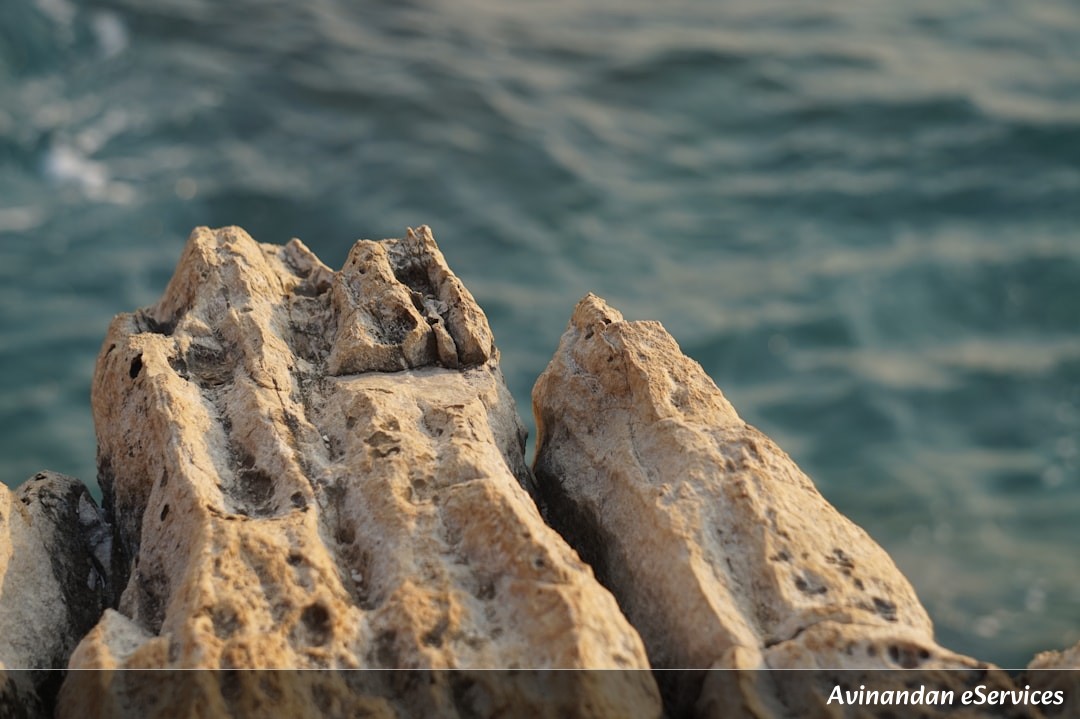
Rohan: Oh! So those tiny holes I see all over the surface are actually where the gas used to be?
Priya: Spot on. Scientists call those holes 'vesicles.' Because the rock is so full of these tiny air pockets, it’s actually more air than stone by volume. This makes the overall density of the rock very low—lower than the density of water, in fact!
Rohan: I remember learning about density! It’s mass divided by volume. So even though it looks like a big, solid object, it doesn't have enough 'stuff' inside it to outweigh the water it pushes aside?
Priya: You got it. According to Archimedes' Principle, for an object to float, it must displace a weight of fluid equal to its own weight. Because pumice is so lightweight due to all that trapped air, it doesn't need to sink very deep to displace enough water to stay afloat. It’s essentially 'frozen foam' made of volcanic glass.
Rohan: That is so cool! Does that mean pumice stays floating forever? I want to make a fleet of rock-boats!
Priya: Not exactly, Rohan. Those little holes are mostly connected. Over time, water can slowly seep into the vesicles and push the air out. Once enough of the air pockets are filled with water, the rock’s density increases, and it will eventually sink to the bottom. It can take hours, days, or even years depending on the size of the rock and how many bubbles are 'closed' versus 'open.'
Rohan: Years? You mean there could be rocks just floating around in the middle of the ocean right now?
Priya: Actually, that happens quite often! When underwater volcanoes erupt, they can create what scientists call 'pumice rafts.' These are giant blankets of floating rock that can cover thousands of square miles. In 2012 and again in 2019, massive rafts the size of entire cities were spotted floating in the Pacific Ocean near Tonga and New Zealand. They were so thick that sailors said it looked like they were sailing through a desert instead of an ocean!
Rohan: That sounds like something out of a fantasy movie. But what happens to those rafts? Do they just sit there until they sink?
Priya: They actually serve a very important purpose. These rafts act like tiny lifeboats for ocean creatures. Barnacles, corals, snails, and even crabs hop onto the floating pumice and travel thousands of miles across the ocean to find new homes. It’s one of the ways life spreads across different island chains.
Rohan: So pumice is like a volcanic bus for crabs? Nature is weird, Priya. But wait, if pumice is just glass and air, is it useful for anything else? Or is it just for helping crabs travel?
Priya: It’s actually very useful! Because it’s made of volcanic glass, it’s quite abrasive—meaning it’s great for scrubbing. People use it to remove dead skin from their feet, and it’s even used in some industrial hand soaps to help scrub off grease. Have you ever seen 'stone-washed' jeans? They literally put pumice stones in giant washing machines with the denim to wear down the fabric and give it that faded look.
Rohan: Wait, the Romans used it too, didn't they? I think I read somewhere that they were amazing engineers.
Priya: They were! They realized that if they mixed ground-up pumice into their concrete, they could make buildings that were much lighter but still very strong. The famous dome of the Pantheon in Rome—which is still the largest unreinforced concrete dome in the world—was built using lighter and lighter stones as they got closer to the top. They used pumice to make sure the whole thing didn't collapse under its own weight.
Rohan: Wow. So this little floating rock helped build the ancient world, helps crabs cross the ocean, and makes my jeans look cool? I’ll never look at a 'boring' grey stone the same way again.
Priya: That’s the beauty of science, Rohan. Even a rock that looks like a piece of popcorn has an explosive story to tell!
So, What Did We Learn Today?
- Pumice is a volcanic rock: It is formed during explosive eruptions when gas-rich magma is cooled so quickly that the bubbles are trapped inside.
- It is basically frozen foam: The rock is filled with tiny holes called vesicles, making it incredibly lightweight.
- Density is key: Pumice floats because its density is lower than that of water.
- Pumice Rafts: Giant patches of floating pumice can drift across oceans for years, helping marine life migrate to new areas.
- Human Uses: From Roman architecture like the Pantheon to stone-washed jeans and skincare, pumice has been useful for thousands of years.
Rohan: I'm definitely keeping this 'magic' rock. I want to see exactly how long it takes for the bubbles to fill up with water and make it sink!