Aarav: Saanvi, look at these leaves! I was staring at the plants in my garden, and I noticed something weird. Some leaves look almost dark purple or nearly black instead of the usual green. Why would a plant want to hide its green color?
Saanvi: That is such a sharp observation, Aarav! You have actually stumbled upon a cool survival trick. Those leaves aren't trying to hide; they are actually acting like high-efficiency solar panels. It is called 'shade-seeking' or more specifically, the plant is trying to absorb every single scrap of light it can get.
Aarav: Wait, so they are like mini-solar panels? How does the color change help them do that?
Saanvi: Exactly! Most plants use chlorophyll to turn sunlight into food, which makes them green. But in deep, dark rainforest floors where very little sunlight reaches, a plant needs a boost. Some plants develop dark pigments called anthocyanins. These pigments act like a filter, reflecting light back into the leaf tissue so the plant can squeeze out extra energy from the weak light beams.
Aarav: Wow, that is like having a turbo-charger for photosynthesis! Does it make them grow faster than the green ones?
Saanvi: It gives them a fighting chance! By being darker, they create a 'back-scattering' effect. Think of it like wearing a shiny vest that catches light from all angles. It is a brilliant bit of evolutionary engineering that allows these plants to survive in the 'basement' of the forest where others would starve.
Aarav: That is amazing. It’s like the plant is playing a high-stakes game of survival just by changing its outfit. Do humans copy this for our own solar panels?
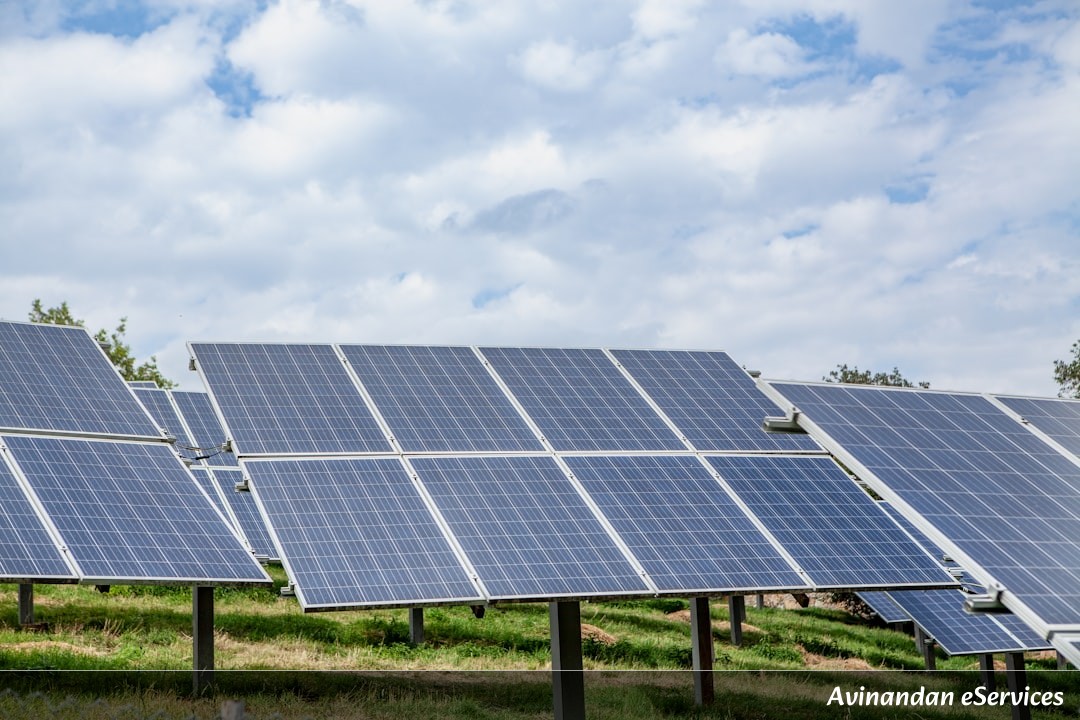
Saanvi: Scientists definitely study it! Biomimicry is all about looking at nature’s clever designs. By understanding how these leaves manipulate light wavelengths, engineers are trying to make human-made solar cells that work even on cloudy days.
So, What Did We Learn Today?
- Plants in low-light environments often turn dark colors to absorb more energy.
- Anthocyanins act as a light-trapping mechanism that reflects light back into the leaf.
- This process helps plants survive in the dense shade of deep forests.
- Nature provides the blueprints for super-efficient solar energy technology.
Aarav: I'll never look at my garden the same way again, Saanvi! It’s like a secret battle for sunlight happening right under our noses.