Introduction to How Do Organisms Reproduce?
Reproduction is one of the fundamental characteristics of living organisms. Unlike essential life processes such as nutrition, respiration, or excretion, reproduction is not necessary to maintain the life of an individual organism. However, it is essential for the survival and continuation of a species over generations. If an existing species were not to reproduce, its population would decline and eventually become \textinct.
In CBSE Class 10 Science, Chapter 8 explores the biological mechanisms through which organisms create new individuals similar to themselves. This detailed guide covers DNA replication, variation, modes of asexual reproduction, sexual reproduction in flowering plants and human beings, and critical aspects of reproductive health.
Do Organisms Create Exact Copies of Themselves?
Organisms look similar to each other because their body designs are similar. For body designs to be similar, the blueprints or genetic blueprints for these designs must also be similar. At the cellular level, reproduction involves creating a copy of the genetic material, which is stored in the chromosomes of the cell nucleus.
The Importance of DNA Copying
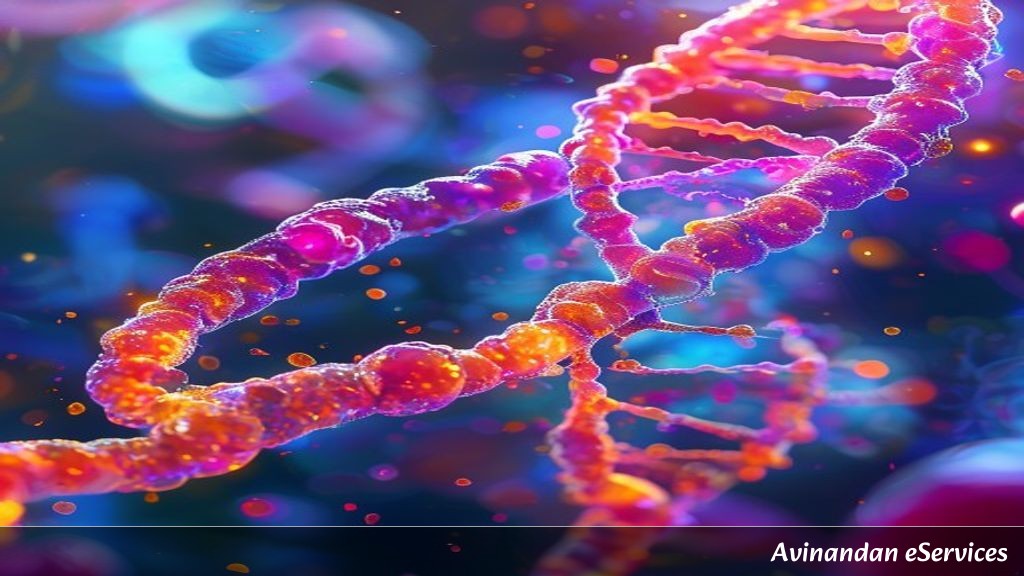
Deoxyribonucleic Acid (DNA) present in the nucleus of a cell contains information for the inheritance of features from parents to next generation in the form of genes. DNA is the information source for making proteins. If the information is changed, different proteins will be made, leading to altered body designs.
During cell division, a reproducing cell undergoes a chemical process to make two copies of its DNA. Alongside DNA replication, the cell creates additional cellular apparatus. The cell then divides to form two daughter cells, each receiving one copy of the DNA along with cellular machinery.
However, no biochemical reaction is completely reliable. Therefore, the DNA copying process involves subtle inaccuracies every time it occurs. As a result, the DNA copies generated are similar, but not identical, to the original.
The Importance of Variation
The subtle variations that arise during DNA copying are crucial for the evolution of species. Niches in ecosystems are defined by the physical and chemical conditions where organisms live. If a population of reproducing organisms is suited to a particular niche, and if that niche undergoes drastic environmental changes (such as sudden temperature spikes, water level changes, or meteorite impacts), the population could be wiped out completely.
However, if some variations were present in a few individuals within that population, those variants might survive the changed environment. For instance, if a bacterial population living in temperate waters experiences a global rise in temperature, most bacteria would die, but heat-resistant variants would survive and multiply. Thus, variation is useful for the survival of species over time.
Modes of Reproduction Used by Single Organisms
Unicellular and simpler multicellular organisms reproduce through asexual reproduction, a process where new offspring are produced from a single parent without the involvement of gametes or fertilization.
1. Fission
Fission is the splitting of a unicellular organism into two or more separate daughter cells. It occurs in two primary forms:
- Binary Fission: The parent cell splits into two equal halves. In Amoeba, splitting can occur in any plane. In Leishmania (which causes kala-azar), binary fission occurs in a definite orientation relative to the whip-like structure at one end.
- Multiple Fission: The parent cell divides into many daughter cells simultaneously inside a protective cyst. An example is Plasmodium (the malarial parasite).
2. Fragmentation
In relatively simple multicellular organisms with simple body organization, such as Spirogyra (a filamentous green alga), the organism breaks up into smaller pieces or fragments upon maturation. These individual fragments grow into complete new organisms.
3. Regeneration
Regeneration is the ability of a fully differentiated organism to give rise to new individuals from its body parts. If an organism like Hydra or Planaria is cut or broken into many pieces, many of these pieces grow into separate, complete individuals.
Regeneration is carried out by specialized cells that proliferate and make large numbers of cells. From this mass of cells, different cells undergo changes to become specialized cell types and tissues. It is important to note that regeneration is not the same as reproduction, as organisms do not normally depend on being cut up to reproduce.
4. Budding
In organisms like Hydra, a bud develops as an outgrowth due to repeated cell division at one specific site. This bud grows into a tiny individual that detaches from the parent body upon maturing fully to become an independent organism.
5. Vegetative Propagation
Vegetative propagation is an asexual mode of reproduction in plants where new plants are raised from vegetative parts such as roots, stems, and leaves without using seeds.
- Natural Methods: Roots (e.g., sweet potato), Stems (e.g., potato tubers, ginger), Leaves (e.g., Bryophyllum, where buds produced in the leaf notches fall on moist soil and develop into new plants).
- Artificial Methods: Layering, Grafting, and Cutting. These techniques are widely used in agriculture and horticulture for plants like sugarcane, roses, and grapes.
- Advantages of Vegetative Propagation: Plants raised can bear flowers and fruits earlier than those raised from seeds; plants that have lost the capacity to produce seeds (like banana, jasmine, orange) can be propagated; all new plants are genetically identical to the parent plant.
6. Spore Formation
In simple multicellular organisms like the bread mould Rhizopus, thread-like structures called hyphae develop erect structures called sporangia. Inside sporangia, tiny reproductive units called spores are produced. Spores are protected by thick walls that allow them to survive harsh environmental conditions until they land on a moist surface and germinate.
Comparison of Asexual Reproduction Methods
| Method | Organism Example | Key Characteristic |
|---|---|---|
| Binary Fission | Amoeba, Leishmania | Splitting into two equal daughter cells |
| Multiple Fission | Plasmodium | Splitting into many daughter cells inside a cyst |
| Fragmentation | Spirogyra | Body breaks into fragments upon maturity |
| Regeneration | Planaria, Hydra | Growth of complete organism from body fragments |
| Budding | Hydra, Yeast | Outgrowth forms on parent body and detaches |
| Spore Formation | Rhizopus | Spores encased in thick protective walls |
Sexual Reproduction
Sexual reproduction involves the fusion of male and female germ cells (gametes) from two individuals to give rise to a new offspring. This process combines DNA from two distinct individuals, creating greater diversity and variation in the species.
Why the Sexual Mode of Reproduction?
While asexual reproduction produces offspring rapidly, it offers limited genetic variation. Sexual reproduction combines cellular DNA from two different organisms, leading to unique genetic combinations in every generation. To prevent doubling of chromosome number during gamete fusion, specialized reproductive cells (gametes) undergo reduction division (meiosis) to contain half the number of chromosomes (haploid) compared to normal body cells (diploid).
Sexual Reproduction in Flowering Plants
Angiosperms (flowering plants) carry their reproductive organs within flowers. A typical flower consists of four main whorls:
- Sepals (Calyx): Green outer leaf-like structures that protect the flower in the bud stage.
- Petals (Corolla): Brightly colored structures that attract pollinators like insects.
- Stamen (Androecium): The male reproductive part, consisting of a thin filament and a terminal anther which produces yellow pollen grains.
- Carpel / Pistil (Gynoecium): The female reproductive part located at the center, consisting of three parts:
- Stigma: The sticky top surface that receives pollen.
- Style: The elongated middle tube.
- Ovary: The swollen bottom part containing ovules. Each ovule contains an egg cell.
Pollination and Fertilization:
Pollination is the transfer of pollen grains from the anther to the stigma. If transfer occurs on the same flower or plant, it is called self-pollination; if transferred to another plant of the same species, it is called cross-pollination (mediated by wind, water, or animals).
After pollen lands on a compatible stigma, a pollen tube grows out of the pollen grain through the style to reach the ovary. The male germ cell travels through the pollen tube and fuses with the female gamete inside the ovule. This fusion is called fertilization, resulting in a single-celled zygote.
Post-fertilization changes:
- The zygote divides repeatedly to form an embryo within the ovule.
- The ovule develops a tough coat and gradually turns into a seed.
- The ovary grows rapidly and ripens to form a fruit.
- Petals, sepals, stamens, style, and stigma usually wither and fall off.
Reproduction in Human Beings
Human beings reproduce sexually. As human beings grow, bodily changes occur leading to sexual maturation during a period known as puberty. Puberty marks the stage when reproductive tissues mature and secondary sexual characteristics develop.
- Changes common to boys and girls: Growth of hair in armpits and pubic regions, skin becoming oilier (often causing acne).
- Changes in girls: Breast size begins to increase, dark pigmentation of skin of nipples, onset of menstruation.
- Changes in boys: Facial hair growth (mustache and beard), voice deepening, occasional penis enlargement during erection.
Male Reproductive System
The male reproductive system consists of organs that produce germ cells and organs that deliver germ cells to the site of fertilization:
- Testes: Located outside the abdominal cavity in a pouch called the scrotum because sperm formation requires a temperature 2-2.5u00b0C lower than core body temperature. Testes also secrete the hormone testosterone, which regulates sperm production and brings about male secondary sexual characteristics.
- Vas Deferens: A tube that carries sperms from the testes up to the urethra.
- Associated Glands (Prostate Gland & Seminal Vesicles): Add their secretions along the path of vas deferens. This fluid provides nourishment to sperms and makes their transport easier. The mixture of fluid and sperms is called semen.
- Urethra: Forms a common passage for both urine and semen.
Female Reproductive System
The female reproductive system performs germ cell production, receives male gametes, and nurtures the developing fetus:
- Ovaries: A pair of organs located in the abdominal cavity that produce female gametes (eggs/ova) and secrete female hormones such as estrogen and progesterone. When a girl child is born, the ovaries already contain thousands of immature eggs. At puberty, eggs start maturing; one egg is released every month by one of the ovaries (process called ovulation).
- Oviduct or Fallopian Tube: The egg released by the ovary is caught by the fallopian tube. Fertilization between sperm and egg takes place here.
- Uterus: A elastic, bag-like muscular organ where the fertilized egg (zygote) implants and grows into a baby.
- Cervix and Vagina: The lower narrow opening of the uterus is the cervix, which opens into the vagina (birth canal).
Placenta and Fetal Development
After fertilization, the zygote implants into the thick, spongy lining of the uterus and forms an embryo. The embryo gets nutrition from the mother's blood with the help of a special disc-like tissue embedded in the uterine wall called the placenta.
The placenta contains villi on the embryo's side of the tissue and blood spaces surrounding villi on the mother's side. This design provides a large surface area for glucose and oxygen to pass from mother to embryo, and for metabolic waste products generated by the embryo to be transferred back into mother's blood. The gestation period in humans is approximately 9 months (38-40 weeks).
What Happens When the Egg is Not Fertilized?
If the egg released by the ovary is not fertilized by a sperm, it lives for about one day. Since the uterine lining thickens every month to prepare for receiving a fertilized egg, an unfertilized egg renders this thick, spongy lining unnecessary. The lining slowly breaks down and comes out through the vagina as blood and mucous. This monthly cycle of bleeding is called menstruation, which lasts for about 2 to 8 days.
Reproductive Health and Contraceptive Methods
Reproductive health refers to total well-being in all aspects of reproduction—physical, emotional, behavioral, and social. Sexual act can transmit diseases (Sexually Transmitted Diseases or STDs), including:
- Bacterial Infections: Gonorrhea and Syphilis.
- Viral Infections: Warts and HIV-AIDS.
To prevent unwanted pregnancies and limit spread of STDs, various contraceptive methods are available:
- Mechanical Barrier Methods: Condoms (on penis or inside vagina) prevent sperm from reaching the egg and protect against STDs. Devices like cervical caps and diaphragms also serve as barriers.
- Chemical/Hormonal Methods: Oral pills alter the hormonal balance of the body so that eggs are not released. They can cause side effects due to hormonal changes.
- Intrauterine Devices (IUDs): Contraceptive devices like the Loop or Copper-T placed inside the uterus by a doctor prevent implantation.
- Surgical Methods: Blockage of transport tubes. In males, blocking the vas deferens is called vasectomy. In females, blocking the fallopian tubes is called tubal ligation. Surgical methods are highly effective permanently but carry infection risks if done improperly.
Important Questions and Answers
Q1: What is the importance of DNA copying in reproduction?
Answer: DNA copying is essential in reproduction because DNA carries genetic information from parent organisms to offspring. Accurately copying DNA ensures that the basic body design, characteristics, and physiological processes of the species are maintained across generations. Additionally, subtle inaccuracies during DNA copying introduce variations, which are vital for natural selection and adaptation to changing environments.
Q2: How does binary fission differ from multiple fission?
Answer: In binary fission, a single unicellular organism divides into two equal daughter cells (e.g., Amoeba, Leishmania). In multiple fission, a single unicellular parent divides simultaneously into many daughter cells within a protective layer called a cyst (e.g., Plasmodium).
Q3: What are the functions performed by the testes in human beings?
Answer: The primary functions of testes are:
- To produce male germ cells (sperms).
- To secrete the hormone testosterone, which regulates sperm production and stimulates the development of male secondary sexual characteristics during puberty.