Kabir: Hey Zara! I was reading about deep caves, and I found something really weird. Did you know there are frogs that can see perfectly well even when it's pitch black, almost like they have secret night-vision goggles?
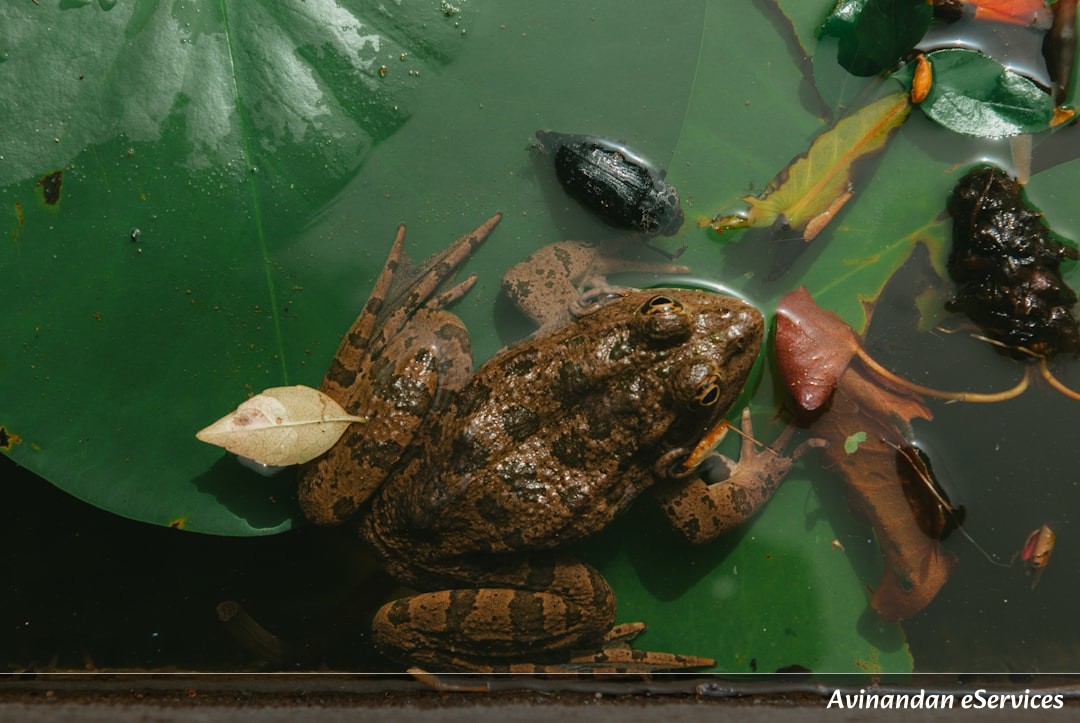
Zara: That is a fantastic discovery, Kabir! You are talking about the cave-dwelling frogs, like the tiny, pale frogs found in some of the deepest caves in the world. It’s not magic; it’s a cool bit of evolutionary science called sensory adaptation.
Kabir: Wait, how does that work? If there’s absolutely no light, how do their eyes even process anything? I thought eyes needed at least a tiny bit of light to work!
Zara: You are right, eyes usually need light. However, these specialized frogs have developed a way to survive where there is no sunlight at all. They don't just rely on their eyes; they have super-sensitive systems. While their eyes are often tiny or even covered by skin, they use something called 'lateral line' sensors, similar to what fish have, to detect vibrations in the water and air.
Kabir: Oh, like sensing the movement of a bug without actually seeing it? That sounds like a superpower!
Zara: Exactly! And for the ones that do use sight, their eyes have evolved to be incredibly sensitive to the very faint flickers of light that might exist in a cave, or they simply rely on an enhanced sense of smell and touch to build a 'map' of their surroundings. It shows how life can adapt to the most \textreme environments on Earth.
Kabir: That is mind-blowing. Imagine if we could 'see' by feeling the air move around us like that! Why haven't they just evolved to lose their eyes entirely?
Zara: Many cave creatures do! But evolution is a slow process. Sometimes, having a backup, even a weak one, is better than having nothing at all. It’s all about the 'cost' of energy. Growing big, complex eyes takes a lot of energy, so if a creature doesn't need them, nature often nudges them to save that energy for other survival tasks.
So, What Did We Learn Today?
- Cave frogs have adapted to live in total darkness by using \textreme sensory alternatives.
- They often use vibration-sensing organs similar to a fish's lateral line to 'see' through movement.
- Evolutionary changes happen to help animals save energy, like reducing the size of eyes that aren't being used in the dark.
- Nature finds a way for life to thrive, even in places that seem completely uninhabitable!
Kabir: I am definitely going to look at the dark corners of my room a little differently now, Zara. Maybe I have some hidden senses too!