Vikram: Isha, you have to see this! I was watching a documentary about the Antarctic Ocean last night, and I saw something that looked like a ghost! It was a white, icy finger reaching down from the surface and touching the bottom of the sea. Everything it touched turned into ice instantly! Was that just some fancy CGI for the show?
Isha: Oh, I know exactly what you’re talking about, Vikram! That wasn’t a movie trick at all. What you saw is a real, rare phenomenon called a 'brinicle.' Some scientists even call it the 'Finger of Death' because of how it treats anything in its path.
Vikram: The 'Finger of Death'? That sounds like a villain from a comic book! But how can an icicle grow downward in the middle of the salty ocean? Whenever I put an ice cube in a glass of water, it just floats at the top.
Isha: That is a great observation. Normally, ice is less dense than water, which is why it floats. But a brinicle is a bit different. It starts with the sea ice at the surface. When seawater freezes in the \textreme cold of the poles, it doesn't freeze into a solid block of pure ice. Instead, it forms a sort of honeycomb structure filled with very, very salty water called brine.
Vikram: Wait, so the ice pushes the salt out into these little pockets? Why doesn't the salt just freeze along with the water?
Isha: Because salt is a bit of a rebel, Vikram! Salt lowers the freezing point of water. While fresh water freezes at 0 degrees Celsius, salty water needs to be much colder to turn into ice. As the ice crystals grow, they reject the salt, concentrating it into these tiny channels of liquid brine that stay liquid even though they are way below the normal freezing temperature.
Vikram: Okay, so we have super-cold, super-salty liquid trapped in the ice. How does it get out and start growing toward the bottom?
Isha: Eventually, the sea ice cracks or the brine becomes too heavy for the ice to hold. Because that brine is so salty, it is much denser and heavier than the seawater around it. It starts to sink. Now, here is the cool part: because that brine is much colder than the surrounding ocean water, it causes the water it touches to freeze instantly. This creates a tube of ice—a 'chimney'—around the sinking brine.
Vikram: Wow! So it’s like an underwater pipe made of ice, with freezing cold salt-water flowing through the middle? That is incredible!
Isha: Exactly! As long as the brine keeps flowing down from the surface ice, the brinicle keeps growing longer and longer until it reaches the sea floor. It looks like a slow-motion lightning bolt or a crystalline stalactite from a cave, but it's happening right there in the dark ocean depths.
Vikram: But why the scary name? Why call it the 'Finger of Death'? It sounds so beautiful and peaceful.
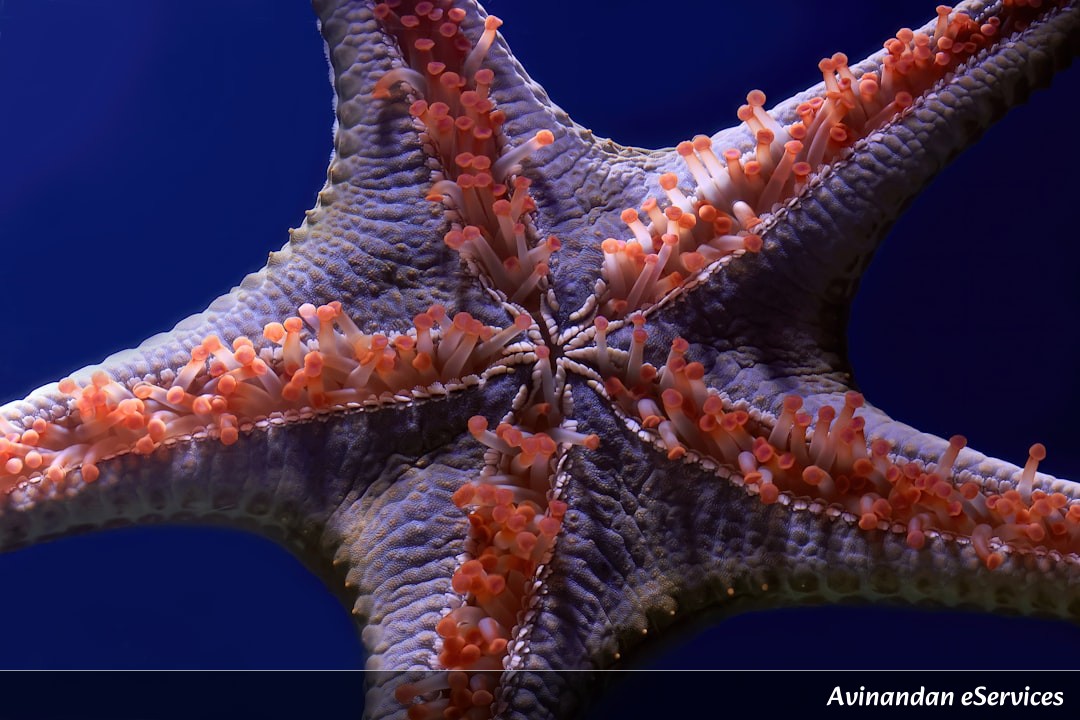
Isha: Well, it’s peaceful for us to watch, but not for the creatures living on the sea floor. When the brinicle finally hits the bottom, it doesn't stop. The freezing brine spreads out across the seabed. Because the animals there—like starfish and sea urchins—move very slowly, they can't get out of the way in time. The ice web traps them and freezes them right where they are standing.
Vikram: Oh no! Poor starfish! So the brinicle actually creates a river of ice on the bottom of the ocean? I never thought the bottom of the sea could get even colder than it already is.
Isha: It’s a very harsh environment, Vikram. But brinicles are also very delicate. If the ocean currents are too strong, they can snap the ice tube before it ever reaches the bottom. That’s why we only see them in very calm, very cold waters near the North and South Poles.
Vikram: Does this happen in the summer too, or only in the winter?
Isha: It mostly happens during the winter when the air above the ice is much colder than the water. The \textreme cold from the air travels through the sea ice to keep that brine at those super-low temperatures. It's a perfect balance of chemistry and physics.
Vikram: I wonder if scientists can use brinicles to learn about other planets. If there are icy moons with oceans, like Europa near Jupiter, could they have 'Fingers of Death' too?
Isha: You’re thinking like a real scientist, Vikram! Astrobiologists are actually studying brinicles for that exact reason. They think these icy chimneys might even help transport nutrients or chemicals that could support life in the oceans of other worlds. What seems like a 'Finger of Death' here might be a 'Finger of Life' somewhere else by moving important minerals around.
Vikram: That is so cool. I’m glad I asked you about that 'ghost' in the water. Science is way more interesting than movie effects!
So, What Did We Learn Today?
- The Brinicle Basics: A brinicle is an underwater icicle that forms when super-cold, salty brine sinks from sea ice into the ocean.
- Density is Key: Saltwater is denser than fresh water, and \textra-salty brine is even heavier, which causes it to sink through the less-salty ocean water.
- The Freezing Point Trick: Salt lowers the freezing point of water, allowing the brine to stay liquid even while it's cold enough to freeze the seawater around it.
- The Ice Chimney: As the brine sinks, it freezes the surrounding water, creating a hollow tube of ice that can reach all the way to the sea floor.
- The Finger of Death: Once it hits the sea floor, the freezing brine spreads out, trapping and freezing slow-moving sea creatures like starfish.
Vikram: Thanks, Isha! Next time I see a weird ice shape, I’ll know there’s probably some amazing science behind it!