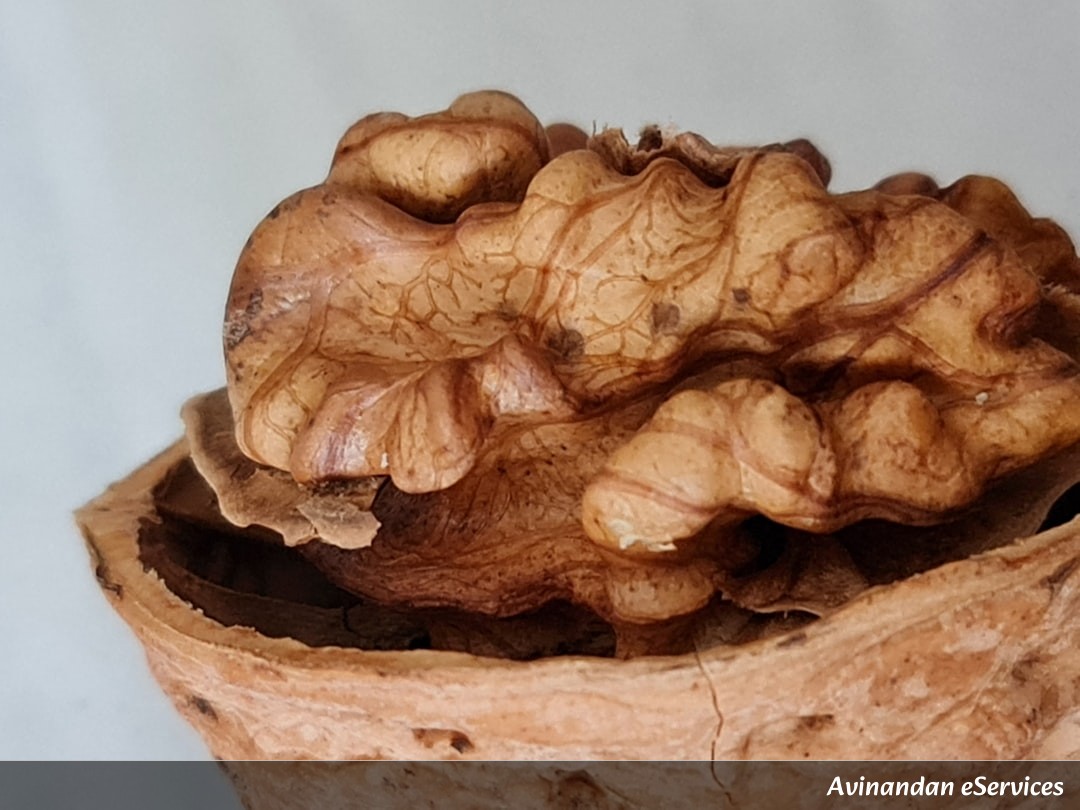
Samir: Priya, I think this bag of trail mix is playing a trick on me! I specifically wanted the small raisins, but every time I open a new bag, these giant Brazil nuts are sitting right on top. I haven’t even shaken it... well, maybe a little on the walk home.
Priya: That’s not a trick, Samir! It’s actually a very famous phenomenon in physics. It’s called 'Granular Convection,' though most scientists just call it the 'Brazil Nut Effect' because that’s the easiest way to describe it.
Samir: The 'Brazil Nut Effect'? That sounds like a name for a dance move! How can physics decide which nut goes where? I thought heavier things were supposed to sink to the bottom because of gravity.
Priya: That’s exactly why it’s so interesting! Normally, a heavy rock sinks in water, right? But granular materials—things made of many individual solid pieces, like sand, cereal, or your trail mix—behave differently than liquids. When you shake a container of different-sized pieces, the larger ones eventually rise to the top, even if they are heavier!
Samir: That makes no sense. If I’m shaking the bag, everything is just jumping around. Why don’t they all just get mixed up randomly?
Priya: It’s all about the 'voids' or the little empty spaces created when you shake the bag. Imagine the trail mix is bouncing. When the bag moves up, all the pieces lift a little bit. Because the raisins and small seeds are tiny, they can easily fall into the small gaps that open up underneath the big Brazil nuts.
Samir: Oh! So the little guys are like ninjas sneaking into the empty spots before the big nuts can fall back down?
Priya: Exactly! Every time you shake the bag, the small pieces trickle down further into those tiny cracks. Since the big Brazil nuts are too large to fit into those small gaps, they get pushed upward by the smaller pieces accumulating underneath them. It’s a one-way street: the small stuff goes down, and the big stuff has nowhere to go but up.
Samir: Wow, I never thought about it that way. But wait, you called it 'Granular Convection.' I remember learning about convection in science class—like how hot air rises and cold air sinks. Is it the same thing?
Priya: You have a great memory! It is similar. In a jar of nuts, the shaking causes a sort of 'current.' The pieces in the center tend to move upward, and the pieces near the edges move downward. However, the big nuts are often too wide to be pulled back down into the thin stream of particles moving down the sides of the container. So, they get stuck at the top while the smaller pieces continue to circulate.
Samir: So, if I want a raisin, I should actually stop shaking my snacks? Or maybe I should shake it upside down?
Priya: Shaking it upside down might work for a second, but as soon as you turn it back, the physics will start all over again! This isn't just about snacks, though. The Brazil Nut Effect is a huge deal in many industries. Imagine you’re a scientist trying to make medicine. You need to mix different powders perfectly so every pill has the right amount of medicine. If the powders have different sizes, they might separate just like your trail mix, and that could be dangerous!
Samir: I never realized trail mix could be so complicated. Does this happen in nature too, or just in my snack bag?
Priya: It happens everywhere! Geologists see it in rocky soil. Over time, as the Earth vibrates from small tremors or even heavy rain, larger boulders can actually be pushed to the surface of the ground. It’s also important for understanding how avalanches work or how asteroids are shaped. Some asteroids are basically just big piles of cosmic rubble, and the Brazil Nut Effect helps determine where the big rocks sit on their surface.
Samir: That is so cool. I thought I was just having bad luck with my raisins, but I’m actually witnessing a planetary physics phenomenon in my kitchen.
Priya: That’s the best part of science, Samir. Even the most annoying part of your snack bag is governed by the same laws that shape asteroids in deep space!
So, What Did We Learn Today?
- The Brazil Nut Effect: This is a phenomenon where larger particles rise to the top of a mixture of different-sized solids when shaken.
- Granular Convection: Unlike liquids, granular materials (like seeds or sand) create 'voids' when moved. Smaller pieces fall into these gaps, forcing larger pieces upward.
- Size over Weight: In this specific case, the size of the object matters more than its weight. The small gaps act as a filter that only lets the tiny pieces pass through.
- Real-World Impact: This principle is crucial for manufacturing medicine, farming, and even understanding the surface of asteroids and the behavior of landslides.
Samir: I guess next time I want the raisins, I’ll just have to reach all the way to the bottom—or learn how to outsmart physics!