Samir: Isha, look at this magazine! It says there is a worm that lives deep in the ocean and eats bones. How is that even possible? Do they have tiny little teeth?
Isha: That is a super cool find, Samir! Those are called Osedax worms, or more commonly, 'bone-eating zombie worms.' They don't actually have teeth or a mouth like we do!
Samir: Wait, no mouth? How do they eat then? Bones are so hard and tough. I can barely chew a cracker sometimes!
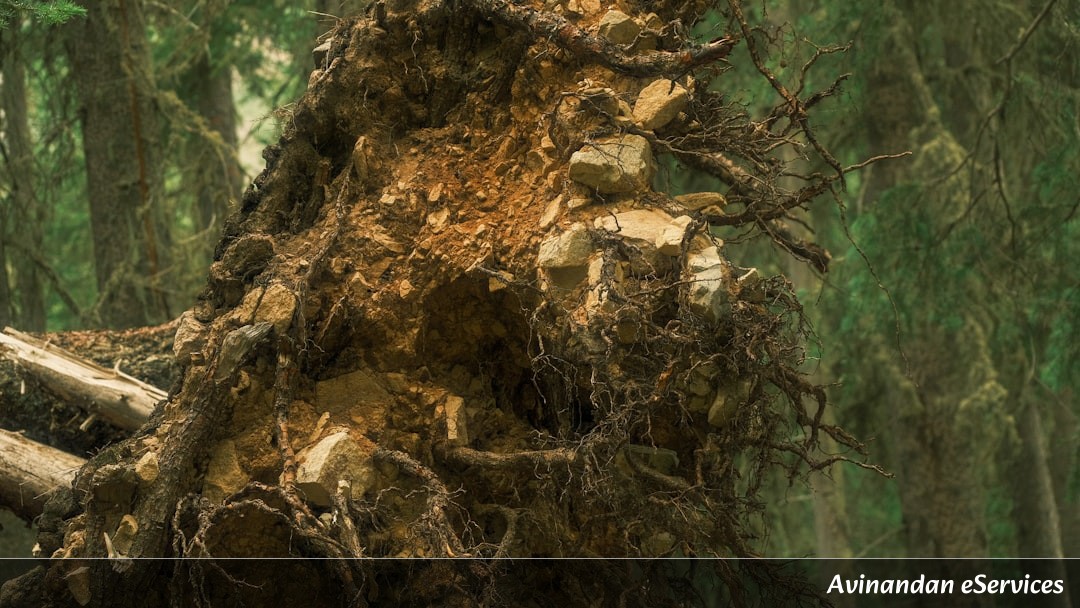
Isha: It is a fascinating process. Since these worms live in the deep, dark ocean, food is very scarce. When a whale dies and sinks to the seafloor, it becomes a giant feast. These worms settle onto the whale skeleton and grow special root-like structures that burrow right into the bone.
Samir: Like plant roots? That sounds so weird! What do they do once they are inside the bone?
Isha: Exactly! They use special acid to dissolve the minerals in the bone. Once the bone is softened, the worms use bacteria living inside their bodies to digest the proteins and fats trapped in the bone. It is like they are farming their own food inside their own bodies!
Samir: That is like a superpower! It sounds a bit gross, but it is also really important for the ocean, right?
Isha: You hit the nail on the head. By breaking down those giant skeletons, they help recycle nutrients back into the deep-sea ecosystem. Without them, those bones might just sit there forever, burying all that energy away from other creatures.
So, What Did We Learn Today?
Isha: To wrap up our discovery of the amazing bone-eating worm, here is what we learned:
- Osedax worms do not have mouths or teeth; they use acidic roots to dissolve bone.
- They rely on a partnership with special bacteria to break down fats and proteins inside the bone.
- They act as ocean recyclers, returning essential nutrients to the seafloor from whale falls.
Samir: I am definitely never going to look at a skeleton the same way again! Nature really does find a way to make use of everything, even the leftover bones at the bottom of the sea. Thanks for explaining that, Isha!