Samir: Isha, I was walking through the park today and I started wondering. We see trees standing all alone, but do they ever talk to each other? Or are they just stuck in their own little worlds?
Isha: That is such a brilliant question, Samir! You might think trees are just quiet observers, but scientists have discovered that they actually have their own version of the internet called the 'Wood Wide Web'.
Samir: The Wood Wide Web? That sounds like science fiction! Do they have tiny little computers hidden in their bark?
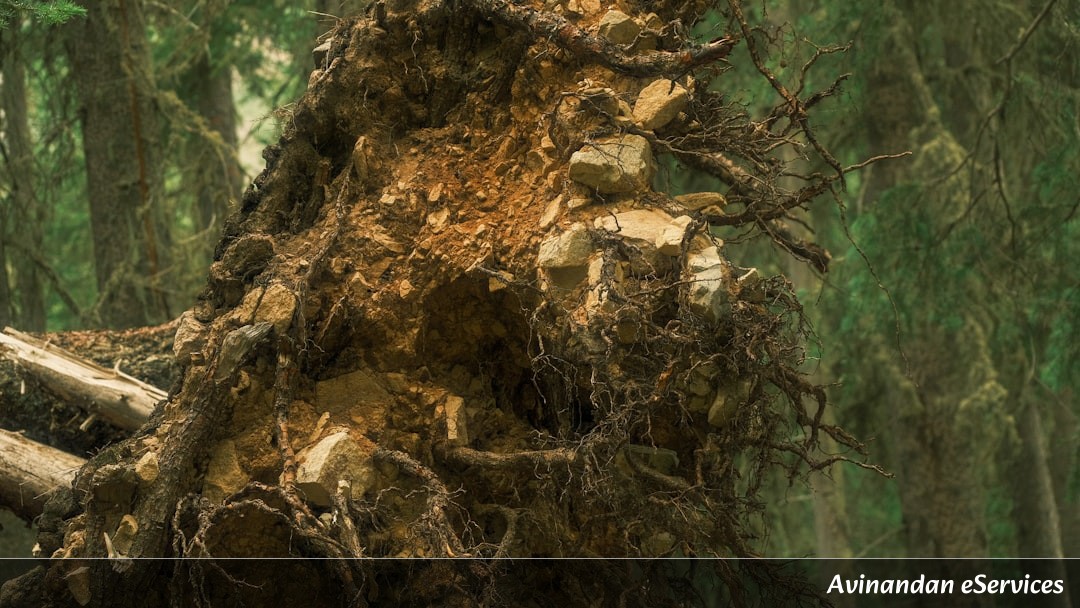
Isha: Not quite! It is actually a complex underground network made of fungi. These tiny, thread-like structures are called mycorrhizae. They grow in a symbiotic relationship with tree roots. It’s like a massive, living handshake happening underground.
Samir: Wow, how does that work? How does a mushroom-like thread help a giant banyan tree talk to its neighbor?
Isha: Think of it like a highway system. The fungi connect the roots of different trees together. Through this network, trees can send chemical messages, sugars, and even warnings to each other. For example, if a tree is being attacked by beetles, it can send a chemical alert through the roots, and the neighboring trees will start producing bitter chemicals to protect themselves before the bugs even reach them.
Samir: That is incredible! It’s like they have a neighborhood watch system! Do they ever share food, or is it strictly for warnings?
Isha: Oh, they share food too! Older, larger trees, which scientists call 'Mother Trees', often use the network to send \textra sugar to younger saplings that are struggling to grow in the shade of the forest canopy.
Samir: So the forest isn't just a collection of individuals fighting for sunlight—it’s actually one big, cooperative family. I’ll never look at a park the same way again!
So, What Did We Learn Today?
Isha: It has been a fun day of discovery! Here are the key things to remember:
- The Wood Wide Web: Trees communicate and share resources through an underground network of fungi called mycorrhizae.
- Chemical Alerts: Trees use this network to warn their neighbors about dangers like insect attacks or disease.
- Mother Trees: Older trees play a vital role by sharing sugar and nutrients with younger, smaller trees that don't get enough sunlight.
- Collaboration: Forests are complex, interconnected social systems rather than just groups of competing plants.
Samir: I am definitely going to go back to the park tomorrow and imagine all the messages zipping around right underneath my feet!