Vikram: Priya! You have to come and see this video. I think the internet is playing a prank on me again. It looks like a tiny fish is... well, it’s basically hiking up a vertical stone wall!
Priya: Let me see that, Vikram. Oh, I know exactly what that is! That is the Nopoli Rock-climbing Goby. And I can assure you, it is definitely not a prank. It’s one of nature’s most \textreme athletes.
Vikram: But Priya, it’s a fish! Fish are supposed to swim in circles and hide in coral. This little guy is literally scaling a waterfall. Look, he’s out of the water, clinging to a wet rock, and moving upward! How is that even physically possible? Does he have invisible claws?
Priya: No claws, Vikram. It’s actually much cooler than that. He’s using his mouth and his belly! The Nopoli Goby, or Sicyopterus stimpsoni, has evolved a very specific set of tools to survive in the wild streams of Hawaii. If you look closely at the video when he flips over, you’ll see that his pelvic fins—the ones on his underside—have fused together to form a powerful suction disc.
Vikram: A suction disc? Like those rubber things we use to hang towels in the bathroom? That’s wild! But wait, he’s moving his head too. It looks like he’s taking bites out of the rock.
Priya: That’s the second part of the trick! As he grows from a larva into an adult, his mouth actually migrates. It moves from the front of his face to the underside of his head. This allows him to use his mouth as a second suction cup. He basically 'inchworms' his way up the cliff. He sticks his mouth to the rock, pulls his body up, sticks his pelvic suction disc, releases his mouth, reaches higher, and repeats the process.
Vikram: Wow, how does that work against the water? I mean, waterfalls are heavy! If I stood under a waterfall, I’d be knocked over instantly. How does a tiny fish that’s only a few inches long not get washed away into the ocean?
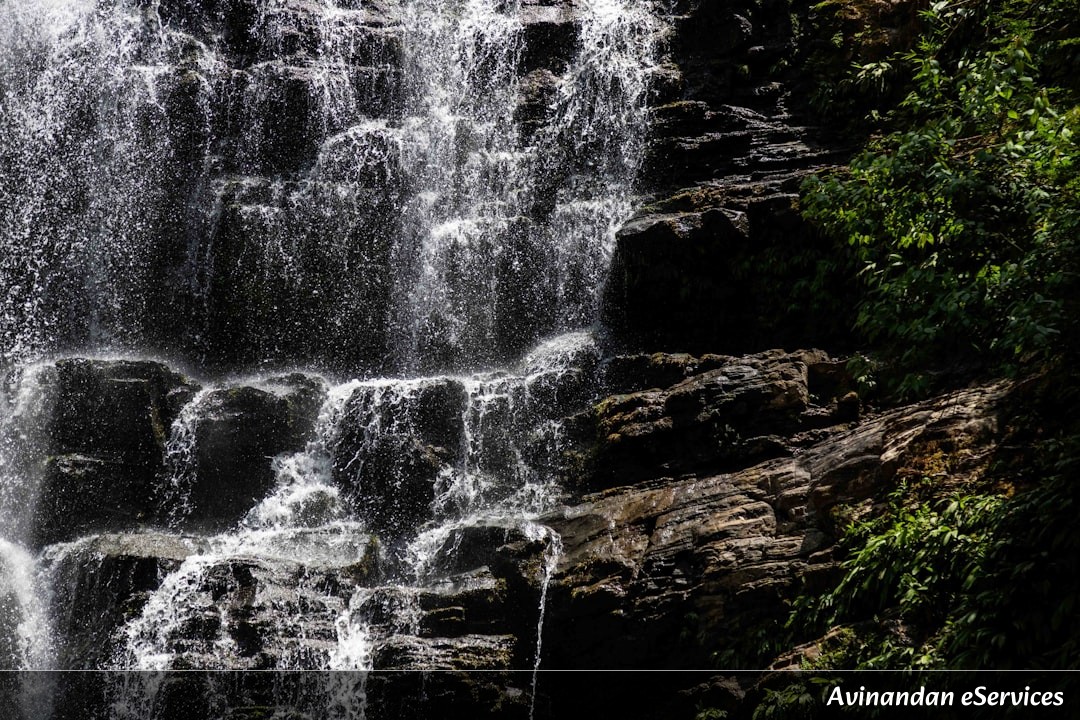
Priya: That is the most incredible part of the science, Vikram. It’s all about fluid dynamics and sheer muscle power. These gobies are incredibly strong for their size. To give you an idea of the scale, some of the waterfalls they climb are over 300 feet tall. For a fish that is only one or two inches long, climbing a 300-foot waterfall is the equivalent of a human being climbing a mountain three times the height of Mount Everest—except the mountain is also trying to wash you off with thousands of gallons of crashing water!
Vikram: Three times the height of Everest?! That’s insane! But why would they do that? Is the view better at the top? It seems like a lot of work just for a change of scenery.
Priya: It’s actually a brilliant survival strategy. You see, the Nopoli Goby is 'amphidromous.' That means they are born in freshwater streams, then as tiny larvae, they are washed out into the vast, dangerous ocean. They spend about six months in the ocean growing and dodging massive predators. But when it’s time to grow up and lay eggs of their own, they have to head back to the safety of the high mountain streams.
Vikram: Oh, I get it! The big, scary fish that want to eat them can’t climb waterfalls!
Priya: Exactly! By climbing these massive cliffs, they reach quiet, peaceful pools where no big predators can follow them. It’s a literal biological barrier. Only the strongest, most determined gobies make it to the top to start the next generation. It’s evolution’s way of ensuring only the toughest survive.
Vikram: But what about breathing? If they are out of the water while they are climbing, don’t they suffocate? I thought fish needed to keep their gills submerged.
Priya: You’re right, they do. But the rock faces of waterfalls are constantly being sprayed with mist and thin layers of flowing water. As long as their gills stay wet, they can absorb enough oxygen to keep going. They also have thick skin that helps prevent them from drying out during the climb. They are basically the rock climbers of the animal kingdom, complete with their own built-in safety gear.
Vikram: I’m looking at the video again. It’s so rhythmic. Stick, pull, stick, pull. It’s almost like they are meditating. Do they do this all in one go, or do they take breaks?
Priya: They definitely take breaks in the little cracks and crevices of the rock where the water flow is slower. But they have to be careful—if they stay still for too long in the wrong spot, a bird might spot them! It’s a high-stakes journey from the moment they leave the salt water and start sensing the fresh water of their home stream.
Vikram: It’s amazing how nature finds a way. I used to think fish were just stuck in the water, but this goby proves that if you have the right 'equipment'—and a lot of heart—you can even conquer a mountain.
So, What Did We Learn Today?
- The Suction Strategy: The Nopoli Goby uses fused pelvic fins and a specialized mouth that acts like suction cups to climb vertical surfaces.
- Extreme Athletics: These tiny fish can climb waterfalls over 300 feet high, which is proportionally more difficult than a human climbing Mount Everest multiple times.
- Safety at the Top: The reason they climb is to reach predator-free mountain streams where they can safely lay their eggs.
- Life Cycle: They are amphidromous, meaning they travel from freshwater to the ocean and back again during their life.
- Adaptation: Over time, their mouths actually move from the front of their heads to the bottom to help them grip rocks and scrape off algae to eat during their climb.
Vikram: Thanks, Priya! Next time I’m struggling to climb the jungle gym at the park, I’m going to think of the Nopoli Goby and keep on pushing!