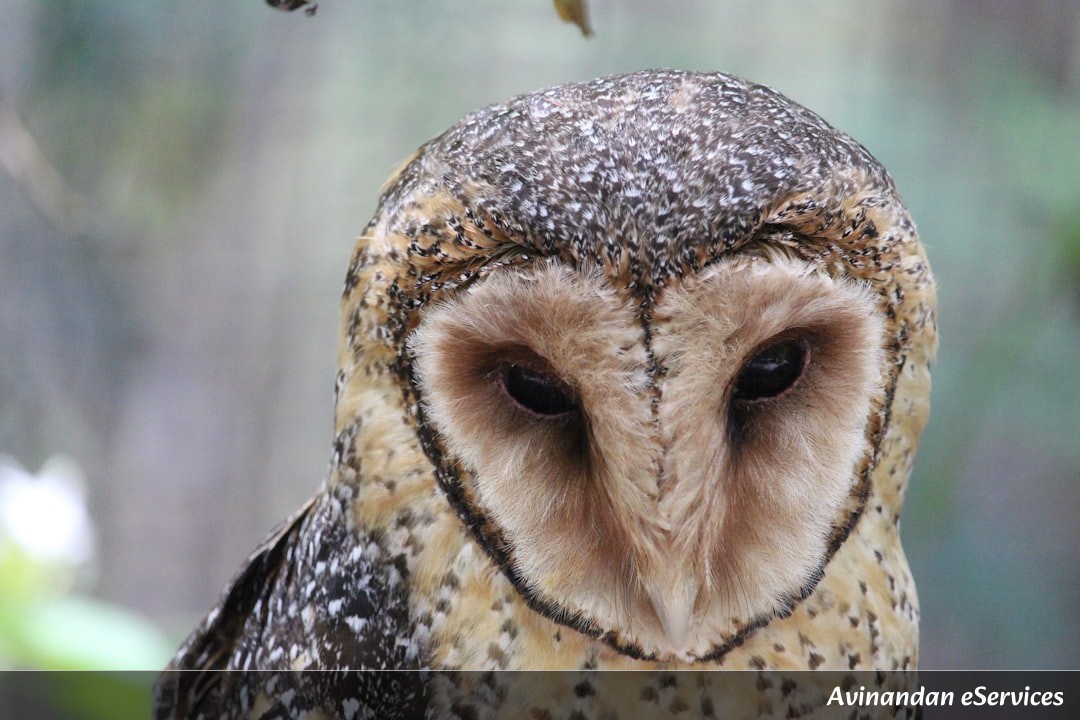
Samir: Isha, I was watching this nature documentary last night, and it was the weirdest thing! They had a bunch of super-sensitive microphones set up in a studio, and then they released a pigeon. You could hear every single wingbeat—flap, flap, flap. But then, they released a Barn Owl, and it was... nothing. Total silence! Is the owl using some kind of magic spell?
Isha: Haha, no magic spells here, Samir! But it definitely looks like it, doesn't it? What you saw is one of nature’s most incredible engineering feats. Owls are the ultimate stealth bombers of the bird world. They can fly right over a mouse's head without making a single sound.
Samir: But how? I mean, I’ve tried to move silently when I’m playing hide-and-seek, and even I make floorboards creak or my clothes rustle. A bird has to beat its wings against the air to stay up. Physics says that should make a 'whoosh' sound, right?
Isha: You’re exactly right about the physics! Usually, when a bird flies, its wings create turbulence in the air. Think of turbulence like the messy, swirling water behind a motorboat. When air hits the front of a normal wing and flows over it, it becomes unstable and creates pressure waves that we hear as sound. But owls have three secret weapons built into their feathers that stop those pressure waves from forming.
Samir: Three secrets? Okay, I’m ready. What’s the first one?
Isha: The first secret is at the very front of their wings—the leading edge. If you look closely at an owl’s primary flight feathers, the front edge isn’t smooth like a seagull’s or a hawk’s. Instead, it has a stiff, comb-like fringe. Scientists call these 'serrations.' These little teeth break up the incoming air into tiny, tiny streams.
Samir: Oh! So instead of one big wave of air hitting the wing and making a loud 'thump,' it’s like the air is being shredded into smaller pieces?
Isha: Precisely! By breaking the air into smaller micro-turbulences, the comb-like edge prevents the big, noisy air vortexes from forming. It’s the same reason a comb moved through water makes less of a splash than a flat ruler would.
Samir: That is so cool. Okay, what about the second secret? Is it about the texture of the feathers? Because owls look much fluffier than other birds.
Isha: Spot on, Samir! You’ve got a good eye. The second secret is the velvety coating on the surface of their feathers. Most birds have feathers that are quite smooth and firm, which helps them stay waterproof and fly fast. But owl feathers are covered in a soft, downy material that feels like velvet. This soft layer acts like a sound absorber—just like the carpet in a recording studio or the foam on headphones.
Samir: So the feathers are basically wearing silencers? They absorb the sound of the feathers rubbing against each other?
Isha: Exactly. It muffles the high-frequency sounds that other birds make when their feathers slide over one another during a wingbeat. It’s like the difference between sliding two pieces of sandpaper together versus sliding two pieces of velvet fabric.
Samir: Okay, so we have the comb at the front and the velvet on the top. What’s the third secret?
Isha: The third secret is at the back of the wing—the trailing edge. Most birds have a sharp, clean edge at the back of their wings. When air leaves that sharp edge, it drops off suddenly, creating a loud 'pop' of air pressure. But owls have a soft, ragged fringe at the back of their feathers. This fringe allows the air to roll off the wing gently and mix back into the surrounding air without creating any noise-making wake.
Samir: Wow. It’s like they thought of everything! But wait, Isha, why did they evolve this way? I know they need to be quiet to catch mice, but is that the only reason? I mean, cats are quiet too, but they don't have velvet fur.
Isha: That’s a great question. It’s actually a double-edged sword for the owl. Being silent helps them sneak up on prey, sure. But more importantly, owls hunt using their incredible hearing. They can hear a vole scurrying under six inches of snow! If their own wings were loud, they wouldn't be able to hear their dinner over the sound of their own flying. They have to be silent so they can listen while they hunt.
Samir: That makes so much sense! They’re like flying ears. Does this mean scientists are trying to copy owl wings for airplanes or something? I’d love a flight that didn’t have that loud engine roar.
Isha: They actually are! Engineers are studying owl feathers to design quieter wind turbines, computer fans, and even airplane wings. It’s called biomimicry—looking at nature’s solutions to solve human problems. Imagine a giant wind turbine that doesn't make that 'whooshing' sound all day long!
Samir: Man, nature is way ahead of us. I'm going to look at my feather pillow totally differently now.
Isha: Just don't expect it to fly silently across the room, Samir!
So, What Did We Learn Today?
- Owl Stealth: Owls can fly almost perfectly silently thanks to three unique feather adaptations: leading-edge serrations, velvety surfaces, and trailing-edge fringes.
- The Comb Effect: The stiff, comb-like edges on the front of their feathers break up air into tiny streams, preventing loud air swirls from forming.
- Natural Silencers: The velvety texture on the surface of owl feathers absorbs high-frequency sounds and muffles the noise of feathers rubbing together.
- The Soft Landing: A ragged fringe on the back of the wing allows air to flow off smoothly, preventing the 'popping' sound created by sudden pressure changes.
- Self-Hearing: Owls need to be silent not just to sneak up on prey, but so they can hear the tiny sounds made by animals hiding on the ground while they are in flight.
Samir: It’s amazing to think that a bird’s feathers are basically high-tech acoustic equipment. Next time I see an owl, I’ll know I’m looking at a masterpiece of silent engineering!