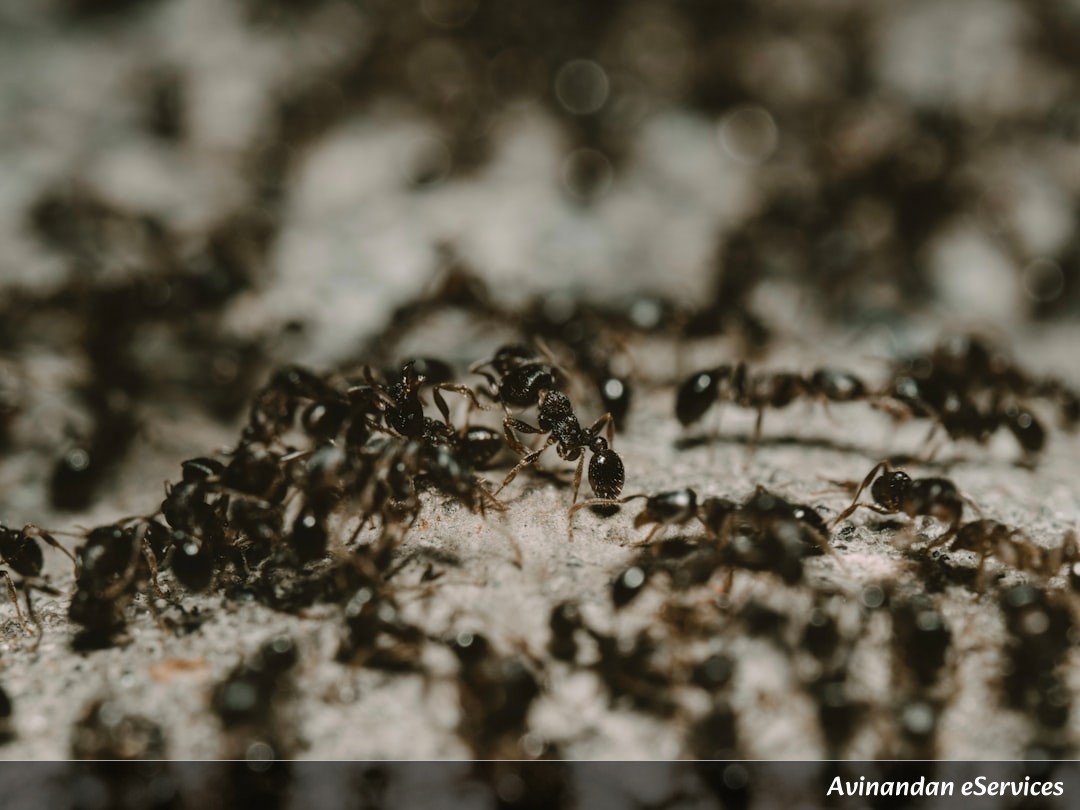
Rohan: Isha, I was watching ants marching across our patio the other day, and one of them walked right over a tiny crumb. It stopped, wiggled its antennae, and then went straight for the crumb! How did it know it was food just by walking on it?
Isha: That’s a fantastic observation, Rohan! It’s not just luck; ants have a super-secret way of tasting, and you guessed it – they can taste with their feet!
Rohan: Whoa! Taste with their feet? That sounds super weird. How is that even possible?
Isha: It’s all thanks to special sensors on their legs and feet called chemoreceptors. Think of them like tiny little taste buds, just like we have on our tongues. When an ant walks over something, these chemoreceptors come into contact with the surface.
Rohan: So, if it’s food, the sensors pick up the yummy taste?
Isha: Exactly! These chemoreceptors detect chemicals. When an ant walks over a sugar crystal, for example, the sugars dissolve slightly on its foot, and the chemoreceptors send a signal to the ant’s brain that says, ‘Hey, this is sweet! Food found!’
Rohan: That’s amazing! So, they don’t even need to pick it up with their mouths to know if it’s good?
Isha: Not always. This ability is super useful for ants. It helps them quickly identify food sources, but it also helps them navigate and recognize their nest mates. They can literally 'taste' the trail left by other ants to follow it.
Rohan: So, they’re tasting the scent trails? That’s like sniffing and tasting at the same time!
Isha: You’re getting it! It's a sophisticated system. And it’s not just ants! Many insects, like cockroaches, bees, and even some butterflies, have chemoreceptors on their feet or legs. It’s a common and very clever adaptation in the insect world.
Rohan: Wow! So, when I’m walking around, I’m just… walking. But ants are kind of exploring and tasting the world with every step they take?
Isha: Pretty much! It allows them to be very efficient foragers. Imagine being able to know if a patch of ground has something delicious without having to stop and investigate every single spot with your mouth. It saves them a lot of time and energy.
Rohan: What if it’s something yucky? Can they taste that with their feet too?
Isha: Yes, they can! Their chemoreceptors can detect a wide range of chemicals, not just pleasant ones. This helps them avoid danger or things that aren't nutritious for them. It's like having a built-in 'nope' detector for their feet!
Rohan: Haha, a 'nope' detector! That’s brilliant. But why did they evolve to taste with their feet instead of their mouths, like us?
Isha: It’s about how they interact with their environment. Ants are constantly on the move, exploring the ground. Their feet are their primary contact point with the surface. Having taste sensors there means they get immediate information about what they are walking on. It’s a direct way to assess their surroundings. Plus, their mouthparts are often busy carrying food or for other tasks.
Rohan: So, when they’re ‘wiggling’ their antennae like I saw, what are they doing then?
Isha: That’s another way they sense their world! Antennae are packed with different kinds of sensors – for smell (olfactory receptors) and even touch. They use antennae to smell for food, to detect vibrations, and to communicate with other ants through scent. So, the feet taste, and the antennae smell and feel!
Rohan: It’s like they have a whole science lab on their bodies!
Isha: They really do! And this ability to taste with their feet has helped them thrive in almost every environment on Earth. From deserts to forests, ants are everywhere, and their sensory abilities are a big reason why.
Rohan: So, the next time I see an ant, I should remember it’s not just walking, it’s doing a lot of tasting!
Isha: Exactly! It's a constant exploration and analysis of their world, one step at a time.
So, What Did We Learn Today?
- Ants, and many other insects, can taste using special sensors on their legs and feet called chemoreceptors.
- These chemoreceptors detect chemicals on surfaces, allowing ants to identify food sources, navigate, and recognize nest mates.
- This ability helps ants efficiently forage and avoid dangers by tasting their environment directly as they walk.
- Antennae are also crucial sensory organs for ants, used for smelling, touching, and communication.
- Having taste sensors on their feet is a clever evolutionary adaptation that helps insects survive and thrive in diverse habitats.
Rohan: So, it's true, their feet are like little taste buds that help them explore!