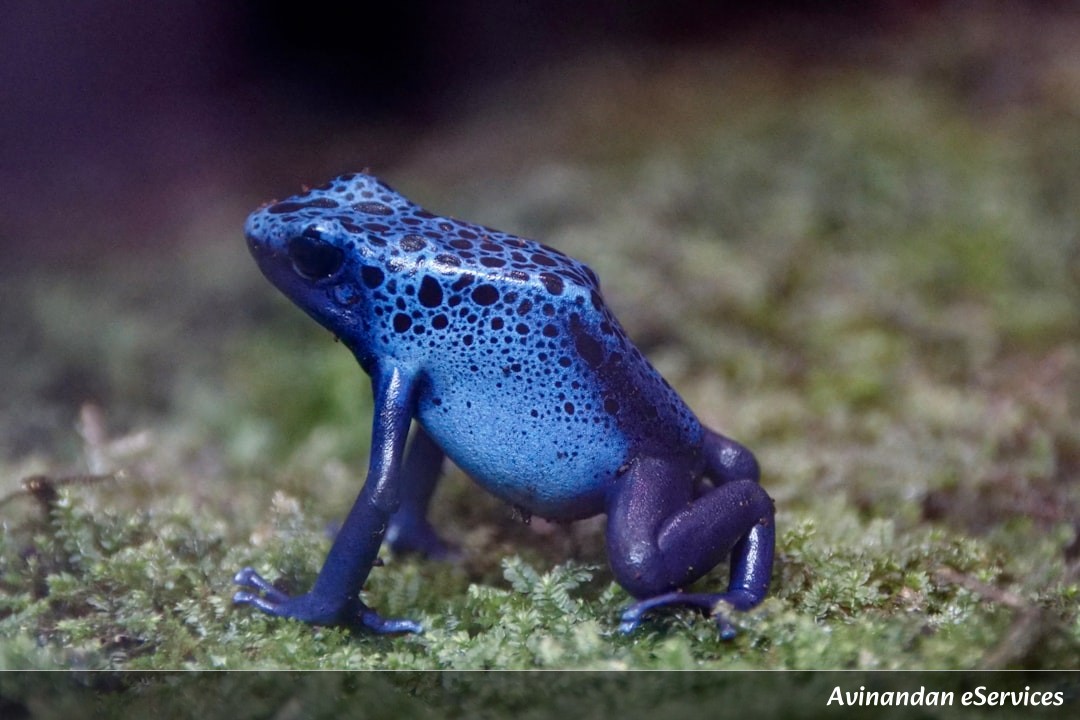
Rohan: Saanvi, you have to come out here! I think I’ve found a biological miracle, or maybe just a very unlucky frog. It’s sitting right here by the edge of the frozen pond, but it’s... well, it’s a popsicle! It’s completely stiff, and when I accidentally tapped it with a leaf, it actually made a clinking sound!
Saanvi: Oh, Rohan, don’t touch him! You’ve actually found one of the coolest—literally—creatures in the animal kingdom. That’s a Wood Frog. And believe it or not, being an ice cube is just part of his winter routine.
Rohan: Wait, you’re telling me he’s not... dead? Saanvi, his eyes are cloudy, he’s not breathing, and I bet if I checked, his heart wouldn't be beating. How can anything survive being frozen solid? If I stayed out here long enough to freeze, I’d be in big trouble!
Saanvi: You’re right, Rohan. For humans, and most other animals, freezing is fatal. But the Wood Frog has a secret superpower. While we might think of him as ‘dead’ right now, he’s actually in a state of suspended animation. He’s essentially pressing the ‘pause’ button on life until the sun comes out in the spring.
Rohan: That sounds like something out of a sci-fi movie! But wait, I remember from science class that when water freezes, it expands. Since cells are mostly water, wouldn't the ice just burst all his cells like tiny water balloons? That's why frozen strawberries turn into mush when they thaw, right?
Saanvi: Exactly! You’ve hit the nail on the head. That is the ‘Ice Problem.’ When ice crystals form inside a cell, they are sharp like tiny needles. They shred the cell membranes and destroy the delicate machinery inside. If that happened to the Wood Frog, he would indeed be mush when he thawed out. But the Wood Frog has a clever trick to make sure the ice only forms in the spaces *between* his cells, not inside them.
Rohan: Wow, how does that work? Does he have a tiny heater inside?
Saanvi: Not quite! It’s all about chemistry. As soon as the frog’s skin touches ice, his liver goes into overdrive. It starts pumping out massive amounts of glucose—which is a type of sugar—into his bloodstream. It’s like he’s flooding his body with a natural syrup.
Rohan: Syrup? So he’s a pancake frog now? But how does sugar stop him from freezing?
Saanvi: Think about it this way: does plain water freeze faster, or does thick, sugary soda freeze faster? The sugar acts as a 'cryoprotectant'—a natural antifreeze. This concentrated sugar solution lowers the freezing point inside the cells. While the water in the cavities of his body and the spaces between his organs turns into solid ice, the inside of his cells remains a thick, sugary liquid that won't freeze. It keeps the cells hydrated and protected.
Rohan: So, he’s like a jelly-filled ice cube! But Saanvi, you said his heart stops. If the heart isn't pumping, how does the oxygen get to his brain? Is he brain-dead?
Saanvi: It’s amazing, Rohan, but his brain actually survives without any oxygen at all during this time. Because he is so cold, his metabolism—the engine that runs his body—slows down to almost zero. He doesn't need energy, he doesn't need to breathe, and his heart doesn't need to beat. Up to 65% of the water in his body can be total ice, and he can stay that way for weeks or even months!
Rohan: That is mind-blowing. So, what happens when the weather gets warm? Does he just... pop back to life?
Saanvi: It’s a very dramatic process! He thaws from the inside out. First, his heart starts to beat again, though it’s very slow at first. Then, as the blood starts moving, it helps melt the rest of the ice. Within a few hours, he starts taking his first breaths, and a few hours after that, he’ll just hop away as if nothing ever happened. He goes from being a frozen rock to a jumping frog in a single afternoon.
Rohan: I wish I could do that! Imagine freezing myself during the boring parts of the week and waking up just for the weekend. But seriously, why do scientists study this? Is it just because it's a cool party trick for frogs?
Saanvi: It’s actually very important for human medicine! Scientists are trying to figure out how to use the Wood Frog’s secret to help with organ transplants. Right now, human organs like hearts or kidneys can only stay ‘alive’ outside the body for a few hours. If we could learn how to freeze them safely without damaging the cells—just like the Wood Frog—we could save thousands of lives by transporting organs across the world or even storing them for long periods.
Rohan: So this little ‘frog-cicle’ might actually hold the key to the future of surgery? That’s way more than just a cool fact. Science is so much weirder and more helpful than I thought!
Saanvi: It really is. Every time we find an animal that does something ‘impossible,’ it usually means there’s a brilliant piece of chemistry or physics behind it that we can learn from.
So, What Did We Learn Today?
- The Wood Frog’s Superpower: Wood frogs can survive being frozen solid by entering a state of suspended animation.
- Natural Antifreeze: They use high concentrations of glucose (sugar) in their cells to prevent ice crystals from forming and bursting the cell walls.
- The Big Pause: While frozen, the frog has no heartbeat and does not breathe; its metabolism almost completely shuts down.
- Thawing Out: The frog thaws from the inside out, with the heart being one of the first organs to ‘restart.’
- Medical Future: Scientists study these frogs to find better ways to preserve human organs for life-saving transplants.
Rohan: I guess next time I see a frog in the winter, I’ll leave him to his sugary nap. Thanks for explaining, Saanvi!