Introduction: A Moment in Time
December 1st. For many, it's a date that marks the beginning of the festive season, a time of twinkling lights and cheerful carols. But in the annals of American history, December 1st holds a much deeper, more profound significance. It was on this day in 1955, in Montgomery, Alabama, that a 42-year-old seamstress named Rosa Parks performed a simple act of defiance that would ignite a movement and forever alter the course of the nation. Her refusal to relinquish her seat on a segregated bus was not born of weariness from a long day's work, but from a lifetime of enduring the indignities of racial injustice. This single, courageous act would become the catalyst for the Montgomery Bus Boycott, a pivotal event in the Civil Rights Movement that would introduce the world to a young, charismatic leader named Dr. Martin Luther King Jr. and set in motion a chain of events that would challenge the very foundations of segregation in the United States.
The Build-Up: What Led to This Day?
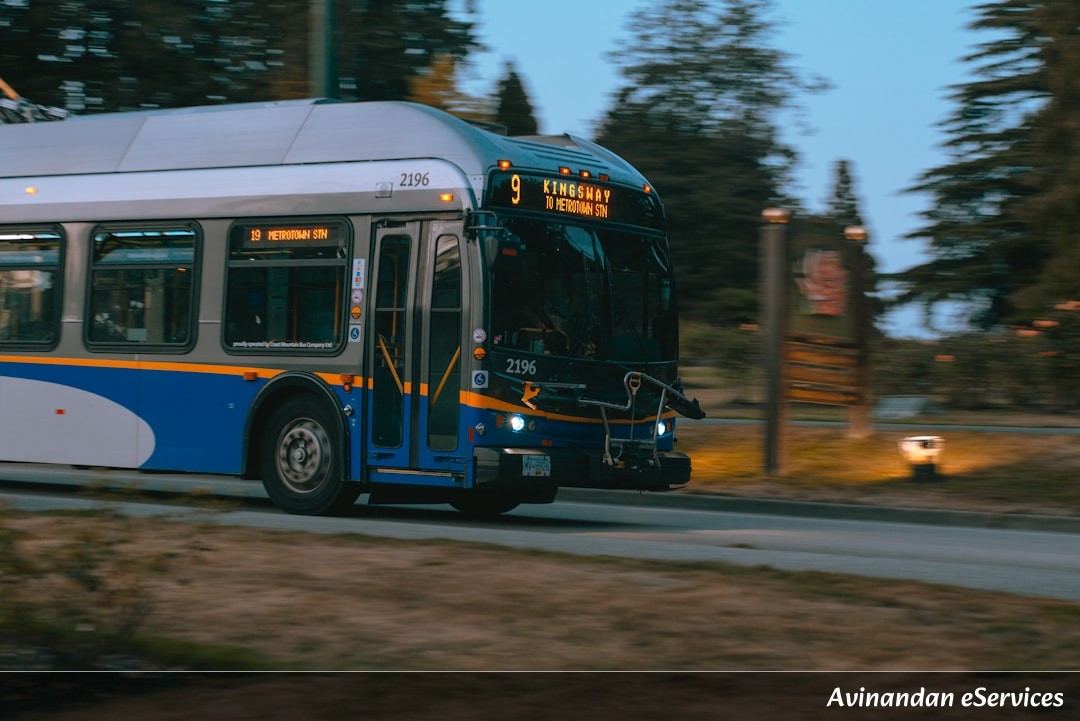
To truly understand the gravity of Rosa Parks' actions on that fateful December day, one must first comprehend the oppressive reality of life for African Americans in the Jim Crow South. In Montgomery, as in much of the American South, racial segregation was not just a social custom; it was the law. Public transportation was a stark and daily reminder of this deeply entrenched inequality. The city's buses were divided into 'white' and 'colored' sections, with African Americans relegated to the back. The rules were demeaning and arbitrarily enforced by bus drivers who held the power to expand the white section and demand that Black passengers surrender their seats to white patrons. This was a system designed to humiliate and dehumanize, a constant source of friction and resentment within the Black community.
Rosa Parks was no stranger to the fight for civil rights. Long before her historic arrest, she was an active member of the Montgomery chapter of the NAACP, serving as its secretary. She had dedicated years of her life to documenting cases of racial discrimination and violence, working to register Black voters in the face of systemic opposition. Parks was not the first to challenge the segregated bus system. Others, including Claudette Colvin, a 15-year-old girl, had been arrested for the same offense just months earlier. However, civil rights leaders were searching for the right person to be the face of a legal challenge against segregation, someone whose impeccable character and quiet dignity would resonate with the nation. In Rosa Parks, they found that person.
The Event Itself
On the evening of Thursday, December 1, 1955, Rosa Parks boarded the Cleveland Avenue bus after a long day at the Montgomery Fair department store, where she worked as a seamstress. She took a seat in the first row of the 'colored' section. As the bus continued on its route, it began to fill up. When a white man boarded and found no available seats in the 'white' section, the bus driver, James F. Blake, demanded that Parks and three other Black passengers in her row give up their seats. The other three complied, but Parks remained seated. In her own words, she was “tired of giving in.” It was a quiet but firm refusal, an act of nonviolent resistance that would reverberate across the country.
The bus driver, angered by her defiance, threatened to have her arrested. Parks calmly replied, "You may do that." True to his word, the driver summoned the police, and Rosa Parks was arrested for violating a local ordinance. She was taken to the city jail, booked, and fingerprinted. News of her arrest spread quickly through Montgomery's Black community. E.D. Nixon, a prominent civil rights leader and president of the local NAACP chapter, saw the opportunity they had been waiting for. He, along with other activists, immediately began to organize a response.
The Aftermath and Legacy
The arrest of Rosa Parks was the spark that ignited a firestorm of protest. The Women's Political Council, led by Jo Ann Robinson, worked through the night to print and distribute thousands of leaflets calling for a one-day boycott of the city's buses on December 5th, the day of Parks' trial. The response was overwhelming. On that Monday, the buses in Montgomery were virtually empty of African American passengers, who made up about 75% of the bus system's ridership. The success of the one-day boycott led to the formation of the Montgomery Improvement Association (MIA), with a young and relatively unknown pastor, Dr. Martin Luther King Jr., elected as its president.
The boycott \textended far beyond a single day, lasting for an astonishing 381 days. The Black community of Montgomery organized an intricate system of carpools and alternative transportation, demonstrating remarkable unity and resolve in the face of immense pressure and intimidation. The boycott placed significant economic strain on the bus company and downtown businesses. While the boycott continued, the legal battle against segregation made its way through the courts. On November 13, 1956, the U.S. Supreme Court upheld a lower court's ruling in Browder v. Gayle that bus segregation was unconstitutional, violating the 14th Amendment. The boycott officially ended on December 20, 1956, a resounding victory for the Civil Rights Movement.
The legacy of Rosa Parks' courageous act and the subsequent Montgomery Bus Boycott is immeasurable. It demonstrated the power of nonviolent mass protest and served as a blueprint for future civil rights campaigns. It catapulted Dr. Martin Luther King Jr. to national prominence and marked a turning point in the struggle for racial equality in America. Rosa Parks, the quiet seamstress, became an international symbol of resistance against oppression, rightfully earning her title as "the mother of the civil rights movement." Her simple act of defiance on December 1, 1955, reminds us that one person's courage can indeed change the world.
References
National Archives. (n.d.). Police Report on Arrest of Rosa Parks. Civil Rights Digital Library.
Britannica. (n.d.). Montgomery bus boycott. Britannica Kids.
History.com. (2023, November 29). Montgomery Bus Boycott.
Khan Academy. (n.d.). The Montgomery Bus Boycott.
The Martin Luther King, Jr. Research and Education Institute. (n.d.). Montgomery Bus Boycott.
U.S. National Park Service. (2022, September 21). The Montgomery Bus Boycott.
Wikipedia. (n.d.). Montgomery bus boycott.
Wikipedia. (n.d.). Rosa Parks.
Equal Justice Initiative. (2024, February 14). On Dec 01, 1955: Police Arrest Rosa Parks for Violating Bus Segregation Laws in Alabama.
Library of Congress. (n.d.). Rosa Parks Arrested.
The History Place. (n.d.). This Month in History: December.
National Day Calendar. (n.d.). ROSA PARKS DAY - December 1.
Mohawk Valley Museums. (n.d.). This day in history: December 1.
The National Constitution Center. (2022, December 1). On this day, Rosa Parks wouldn't give up her bus seat.
U.S. Embassy in Montenegro. (2025, March 14). ROSA PARKS (1913-2005): The Mother of the Modern Civil Rights Movement in America.
International Civil Rights: Walk of Fame. (n.d.). Rosa Parks.
Henry Ford Museum. (n.d.). Rosa Parks: What if I Don't Move to the Back of the Bus?.
ALLRIOT Blog. (2023, March 2). Rosa Parks' Impact on Civil Rights Movement.