Kabir: Saanvi! I was just having toast with honey, and my Dadi (grandmother) told me something incredible. She said that real, pure honey never, ever goes bad. Like, it can last forever! Is that just a story, or is it true?
Saanvi: Hey Kabir! Your Dadi is absolutely right! It’s not a story at all. Honey is one of the only foods in the world that has an almost eternal shelf-life. Archaeologists have found pots of honey in ancient Egyptian tombs that are over 3,000 years old, and guess what? It was still perfectly edible!
Kabir: Whoa! 3,000 years old? That’s older than... well, everything I can think of! So, someone could eat a snack from the time of the pharaohs? That's mind-blowing. Is it some kind of ancient magic?
Saanvi: It does sound like magic, but it’s actually pure science! It’s all thanks to the amazing way bees make it and its unique chemical makeup. There are three main scientific reasons why honey is such a super-survivor.
The Superpower of Sugar
Kabir: Okay, I'm ready for the science lesson! What’s reason number one?
Saanvi: The first reason is its super-low water content. Honey is what scientists call a 'hygroscopic' substance. A simpler way to say it is that honey is naturally very, very dry. It's made up of about 80% sugar and only about 17% water. Any germs, bacteria, or yeast that land in the honey basically have all the water sucked right out of them!
Kabir: Sucked out of them? How does that work? Like a vacuum cleaner for germs?
Saanvi: Haha, kind of! It’s a process called osmosis. Think of it like this: living things, like bacteria, need water to survive. Their little bodies are mostly water. When they land in honey, which has very little water, all the water inside the bacterium’s body is pulled out and into the honey to try and balance things out. Without water, the germ just shrivels up and can’t survive. So, honey is like a desert for microbes!
An Acidic Defence
Kabir: Wow, so it’s a germ-destroying desert. That’s cool! What’s the second reason?
Saanvi: The second reason is that honey is surprisingly acidic. You know how lemon juice is sour and acidic? Well, honey is too, just not as much. It has a pH between 3 and 4.5, which is quite acidic for a food. This acidic environment is really unpleasant for most bacteria and microorganisms. They just can't grow or reproduce in it. So, between the dryness and the acidity, honey has this amazing one-two punch that knocks out almost anything that could try to spoil it.
Kabir: So the germs get dried out, and if they survive that, the acid gets them? Honey is a fortress!
Saanvi: Exactly! But there’s one more secret weapon, and it comes directly from the bees. It's the coolest part, I think.
A Bee's Secret Ingredient
Kabir: A secret ingredient? What is it? Some special kind of flower nectar?
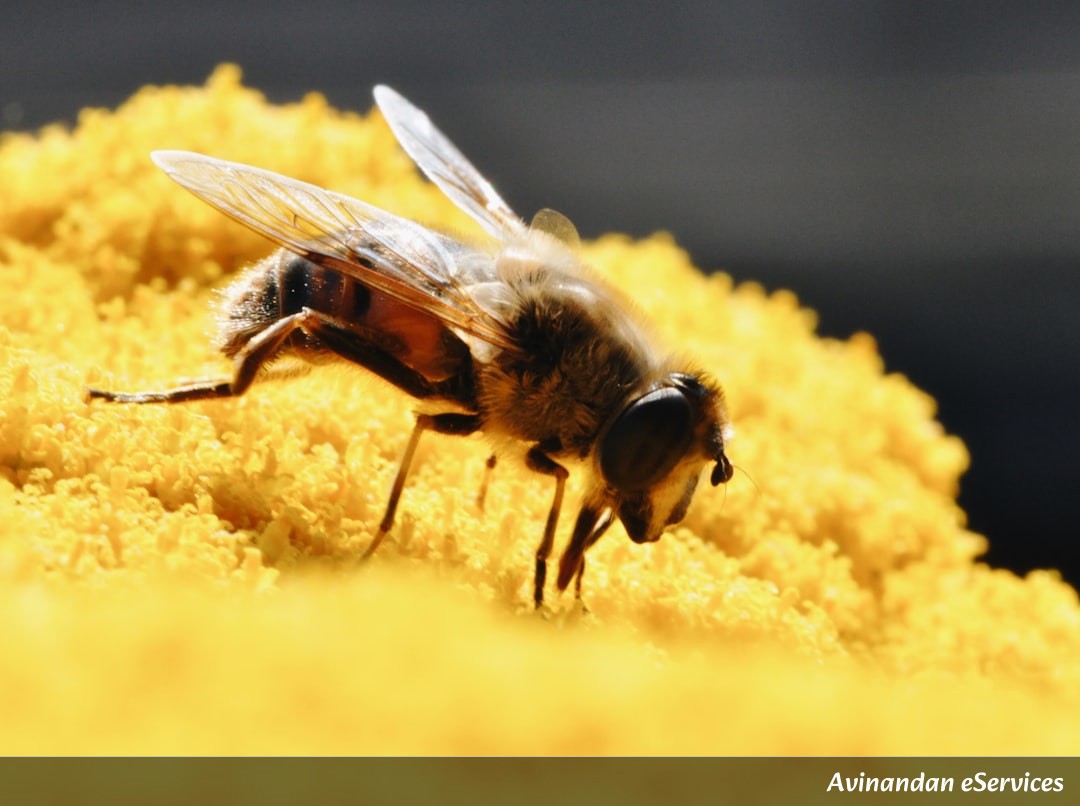
Saanvi: Not exactly. It's something the bees add themselves! When bees are turning nectar into honey, they have a special enzyme in their stomachs called glucose oxidase. They mix this enzyme into the nectar. Now, this enzyme doesn’t do much when the honey is thick and sealed. But, if a little bit of water gets into the honey, the enzyme kicks into action. It breaks down some of the sugars in the honey and creates two new substances: gluconic acid, which helps keep the honey acidic, and a tiny amount of hydrogen peroxide.
Kabir: Wait, hydrogen peroxide? Isn't that the stuff Mom puts on cuts to clean them?
Saanvi: The very same! It's a natural antiseptic that kills germs. So, if the honey ever gets a bit diluted with water, it automatically starts producing its own disinfectant to protect itself. The bees basically gave honey its own little immune system! It’s an incredible natural defence mechanism that ensures their precious food supply stays safe and secure for a very long time.
Kabir: That is amazing. So bees aren't just honey-makers, they are expert food scientists! They figured out how to make a food that cleans itself. No wonder it can last for thousands of years. It defends itself!
Saanvi: That's the perfect way to put it, Kabir. It's a perfectly designed food, made to last. The only way it can 'go bad' is if a lot of water is added and it's left open, which allows yeast to grow and ferment it. But if you keep it in a sealed jar, it’s practically invincible.
So, What Did We Learn Today?
Saanvi: Okay, let's recap the sweet science behind honey's incredible shelf life.
- It's Super Dry: Honey has very little water. This low moisture content sucks the water out of any bacteria or germs through osmosis, stopping them from growing.
- It's Naturally Acidic: Honey has a low pH, creating an acidic environment where most microorganisms that cause food to spoil can't survive.
- It Has a Bee-cret Weapon: Bees add a special enzyme that can produce hydrogen peroxide, a natural antiseptic. This means honey can essentially clean itself if it's exposed to a little moisture.
Kabir: So, next time I have honey on my toast, I’ll remember it’s not just sweet—it's a super-smart, self-defending food made by tiny bee chemists! Thanks, Saanvi!