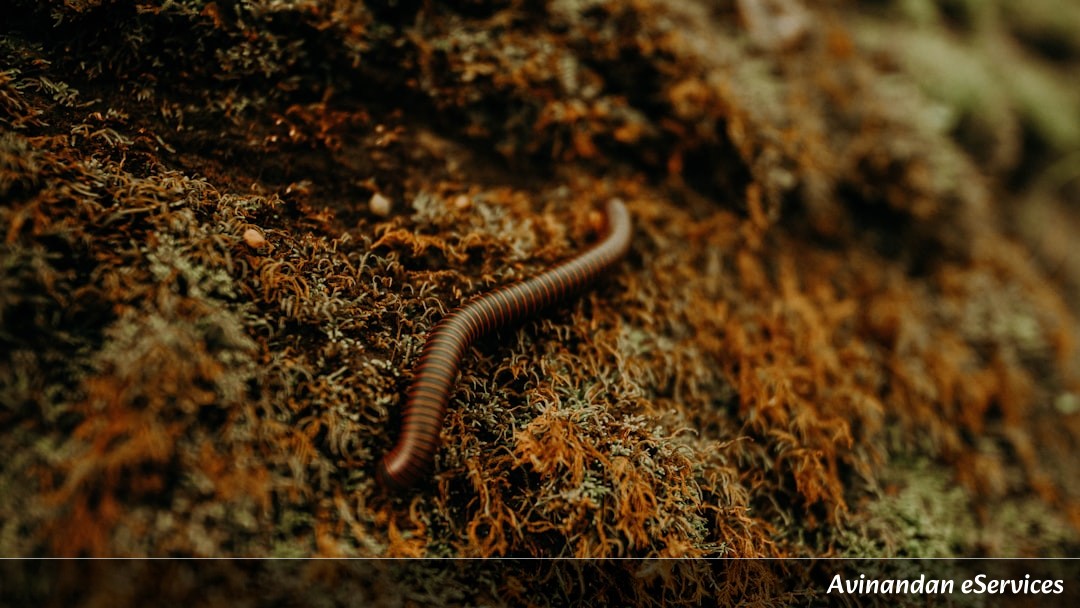
Arjun: Saanvi, you won't believe what our science teacher showed us in class today! He played a video of a car rolling its entire wheel right over a tiny desert beetle, and when the car drove away, the beetle just shook its legs and walked off like nothing happened! Is that real, or was it some kind of movie special effect?
Saanvi: It is completely real, Arjun! You were watching one of nature's ultimate bodybuilders: the diabolical ironclad beetle. Its scientific name is Phloeodes diabolicus, and it might just be the toughest insect on planet Earth.
Arjun: Wait, "diabolical ironclad"? That sounds like a comic book supervillain! How tiny is it, and how heavy of a squash can it really survive?
Saanvi: It is only about two centimeters long—about the size of a peanut! But scientists tested its strength in laboratories and discovered it can withstand a crushing force of roughly 149 Newtons. To put that in perspective, that is about 39,000 times its own body weight! If you had that kind of superpower, Arjun, you could balance two full school buses on your chest without breaking a sweat.
Arjun: Whoa! That is unbelievable. Most bugs have a crunchy shell that cracks if you accidentally step on it. Why doesn't the ironclad beetle get crushed flat like a pancake?
Saanvi: The secret lies in the beetle's incredible biological engineering. Millions of years ago, the ancestors of this beetle stopped flying. Over time, their outer wing covers—which scientists call elytra—fused together tightly down the center of their backs to form a solid, seamless armor shield.
Arjun: But even a solid shield can crack under something as heavy as an automobile tire, right? How does its shell stay intact under all that pressure?
Saanvi: That's the most genius part! When researchers used high-powered electron microscopes, they found that the seam down the beetle's back isn't glued flat. Instead, it looks just like interlocking jigsaw puzzle pieces! When pressure pushes down on the shell, these puzzle-piece blades fit into matching sockets and lock together, distributing the weight evenly across its entire body.
Arjun: Like a jigsaw puzzle? But if you pull or push hard on a puzzle, don't the little cardboard tabs snap off?
Saanvi: Usually, yes! But the beetle's puzzle tabs are built out of layered microscopic proteins and chitin, stacked like layers of plywood. Instead of snapping when crushed, the layers slide slightly and gently peel apart inside without breaking completely. Scientists call this delamination. It absorbs massive amounts of energy while keeping the vital organs inside totally safe and cushioned.
Arjun: That is brilliant! The shell bends just enough to absorb the shock without crushing the beetle's insides. But Saanvi, why would a tiny beetle in the desert need armor strong enough to stop an automobile? Cars weren't around millions of years ago!
Saanvi: Haha, you're right! Cars definitely weren't around. But predators were! Because this beetle cannot fly away from danger, it lives under rocks and tree bark in the deserts of North America. Hungry birds, rodents, and lizards constantly try to peck, stomp, and bite through its shell. In fact, entomologists—scientists who study insects—often bend their steel mounting pins when trying to stick specimens into museum display boards!
Arjun: That explains it! If you can't run or fly fast, you might as well turn yourself into a walking tank. Are scientists trying to copy this beetle's armor to make things for humans?
Saanvi: Absolutely! Engineers are using the beetle's jigsaw joint structure to design stronger airplane parts, bridges, and helmets. Normally, joining different materials like metal and carbon fiber requires heavy metal bolts or glue that can snap under stress. By copying the beetle's interlocking puzzle joints, engineers can build aircraft joints that are lighter, tougher, and much safer.
Arjun: Nature was millions of years ahead of our smartest engineers! I am never looking at a humble little beetle the same way again.
So, What Did We Learn Today?
- The Diabolical Ironclad Beetle: A tiny desert insect capable of surviving forces up to 39,000 times its own body weight.
- Fused Elytra: Because it does not fly, its hardened wing cases have fused into a single protective exoskeleton.
- Jigsaw Puzzle Sutures: The armor plates interlock with microscopic puzzle-like tabs that distribute \textreme pressure safely.
- Energy-Absorbing Layers: The internal protein layers gently delaminate to absorb huge impacts rather than snapping.
- Real-World Technology: Aerospace engineers are studying this beetle's armor to build stronger, safer aircraft and construction materials.
Arjun: So next time someone says something is built like a tank, I will tell them it should be built like a diabolical ironclad beetle!