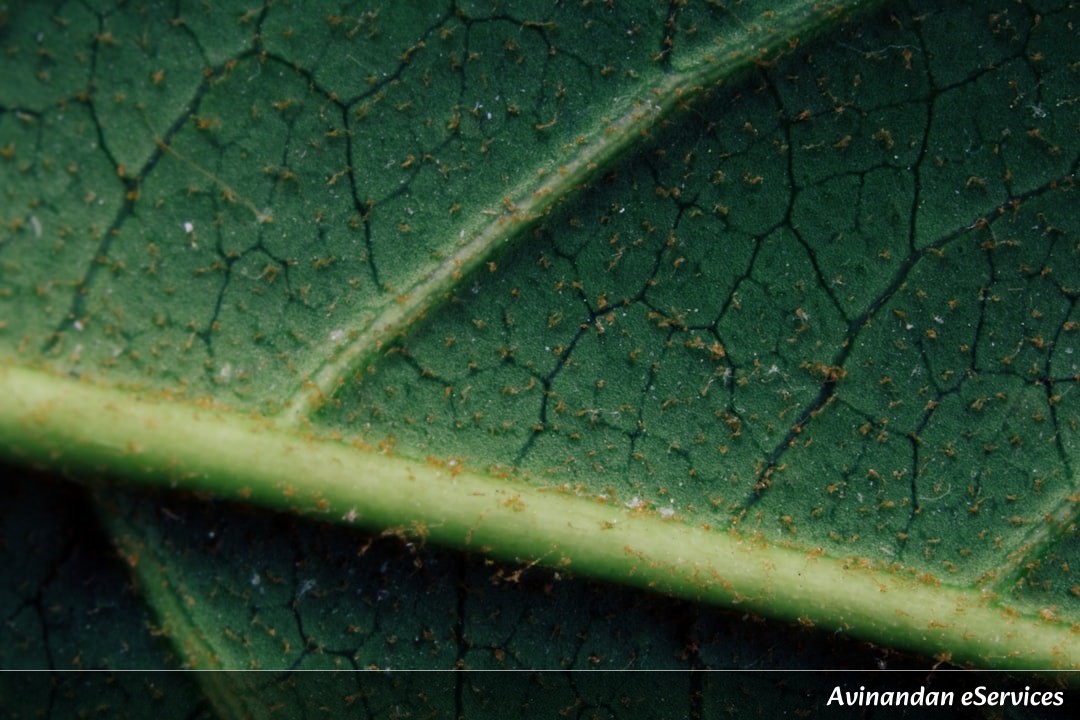
Kabir: Saanvi, I was watching the ferns in my backyard today, and I saw something weird. A little puff of dust shot out from under one of the leaves. Did the plant just sneeze at me?
Saanvi: Haha, that is a funny way to put it, Kabir! But you actually witnessed a real-life botanical cannon. Some plants, especially ferns, use a process called 'spore dispersal' that works exactly like a tiny, high-speed catapult!
Kabir: A catapult? I thought plants just dropped their seeds and waited for the wind. How does a leaf actually fire anything?
Saanvi: It’s all about physics, specifically the way water and air interact. Inside the sporangia—those are the little cases holding the spores—there is a structure called an annulus. As the plant dries out, the water inside the cells begins to evaporate. This creates tension, like pulling back a giant rubber band.
Kabir: Wow, so it’s storing potential energy just by drying up? What happens when it can’t take the tension anymore?
Saanvi: Exactly! When the tension becomes too much, the water inside the cells turns into a bubble of gas. This causes the annulus to snap backward instantly. It happens in less than a millionth of a second! That motion flings the spores through the air at incredible speeds, sometimes launching them nearly a meter away.
Kabir: A meter? That sounds like a long way for something as tiny as a spore. Why would they need to travel that far?
Saanvi: Plants don't have legs, Kabir, so they have to be creative to survive. If the spores just fell right underneath the parent plant, they would be competing for the same sunlight and soil. By 'sneezing' them out, the fern gives its future generations a chance to find a new home with plenty of resources.
Kabir: Nature is basically an engineer! It’s amazing that a fern can calculate the perfect moment to launch its cargo using nothing but water pressure.
So, What Did We Learn Today?
- Ferns use physical mechanisms to launch their spores away from the parent plant to avoid competition.
- The process relies on water evaporation to create tension in the cell walls, acting like a biological rubber band.
- When the tension snaps, the spores are launched at high speeds in a fraction of a second.
- This 'sneezing' motion ensures that plants can spread to new, nutrient-rich soil.
Kabir: I am never going to look at my backyard ferns the same way again. I’ll keep my eyes peeled for more plant fireworks!