Vikram: Mira, you won't believe what I was reading about last night! I was looking at pictures of forest animals, and I saw a photo of a cute little flying squirrel glowing like a neon sign!
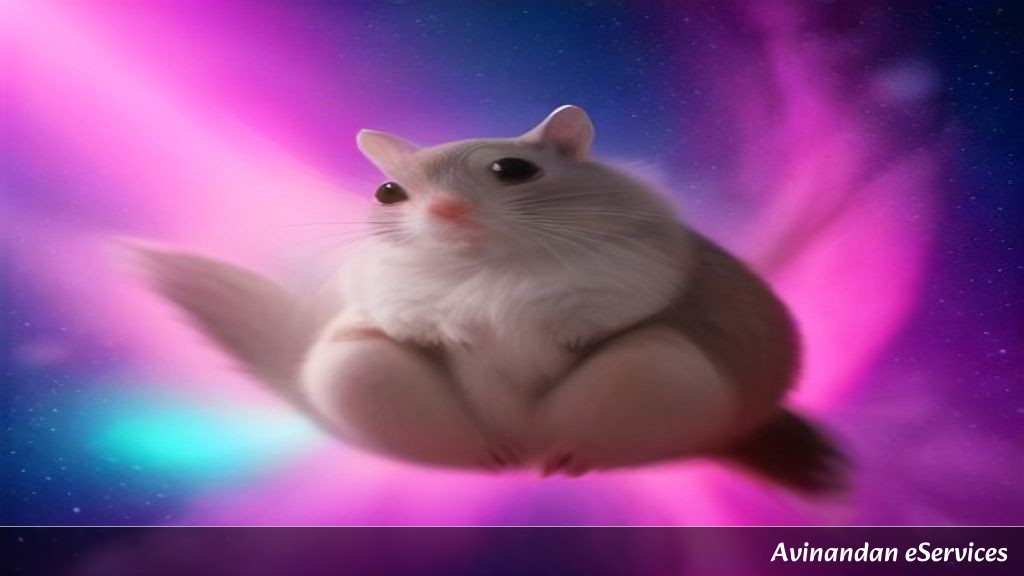
Mira: Oh, you must be talking about New World flying squirrels! Aren't they incredible? During the daytime, under normal sunlight, they look like ordinary grey and brown squirrels. But if you shine an ultraviolet blacklight on them in the dark, they glow a shocking, vibrant bubblegum pink!
Vikram: Exactly! At first, I thought someone edited the picture with a pink highlighter tool. Is that real pink glow actually natural?
Mira: It is 100% natural, Vikram! It is a scientific phenomenon known as biofluorescence. What makes this story even cooler is how scientists accidentally discovered it just a few years ago!
Vikram: Wait, it was discovered by accident? How did that happen?
Mira: In 2017, a researcher named Dr. Paula Spaeth Anich was walking through a forest at night carrying an ultraviolet flashlight. She was actually looking at tree frogs and lichens, which are known to glow under UV light. Suddenly, a flying squirrel glided past her through the canopy, and it flashed bright hot pink in her beam of light!
Vikram: That must have looked like a tiny, furry superhero flying through the trees! What did she do next?
Mira: She and her team were so amazed that they went to the Field Museum in Chicago to check stuffed museum specimens of flying squirrels that were collected over a hundred years ago. When they turned on the UV blacklight, every single specimen of North American flying squirrel—from the Northern, Southern, and Humboldt's species—glowed bright pink! Even tree squirrels like grey squirrels and fox squirrels were checked, but they didn't glow at all. Only the nocturnal flying squirrels did!
Vikram: Wow, that is so cool! But how does an animal actually glow pink? Is it the same as how fireflies make light?
Mira: That's a great question, Vikram, but it's actually different! Fireflies use chemical reactions inside their bodies to create their own light from scratch. That is called bioluminescence. What flying squirrels do is biofluorescence. Their fur contains organic molecules, likely chemical pigments called porphyrins. These molecules absorb invisible, high-energy ultraviolet light from the night sky and immediately re-emit it as lower-energy visible light—which our eyes see as bright pink!
Vikram: So the fur isn't making its own light; it's transforming invisible UV light into visible pink light! But why on earth would a squirrel need to look like a neon flamingo in the dark?
Mira: Scientists are still researching the exact reasons, but they have four super interesting theories!
Vikram: Tell me, tell me! What are the theories?
Mira:
- Camouflage in the Snow: In winter, snow reflects UV light. Lichens growing on trees also fluorese under UV light. Glowing pink might help the squirrels blend into their snowy, lichen-filled forest surroundings at twilight!
- Communication and Navigation: Flying squirrels are super active at dawn, dusk, and night when UV light is surprisingly strong in the atmosphere. Glowing pink might help them spot each other while gliding through dark woods or signal to potential mates.
- Avoiding Predators: Many owls, which hunt flying squirrels, actually glow under UV light too! Flying squirrels might be mimicking owl colors to trick predators into thinking they are bigger birds, or to confuse them while dodging through trees.
- Landings and Distance Measurement: Flying squirrels have skin flaps between their wrists and ankles that stretch out when they glide. Their belly fur glows brightest, which might help them judge landing distances or see where their friends are landing!
Vikram: That is mind-blowing! To think that for hundreds of years, humans had no idea these adorable creatures were putting on secret glow-in-the-dark light shows in the forest every single night!
Mira: Exactly! It shows us that animals live in a visual world that is completely different from ours. Many mammals, birds, and insects can see ultraviolet light, even though human eyes can't without special blacklight flashlights.
Vikram: Nature is full of secret colors! Next time I go camping, I am definitely bringing a UV flashlight to check out the trees!
So, What Did We Learn Today?
Mira: Let's wrap up what we discovered about these glowing forest gliders!
- Secret Color: North American flying squirrels look greyish-brown by day, but glow vibrant bubblegum pink under ultraviolet (UV) light at night.
- Biofluorescence: Unlike fireflies that make their own light, flying squirrel fur absorbs UV light and reflects it as visible hot pink light.
- Accidental Discovery: Scientists discovered this phenomenon in 2017 while exploring forests at night with blacklight torches.
- Survive and Thrive: The pink glow likely helps flying squirrels navigate in the dark, communicate with each other, blend into icy forests, or avoid owl predators.
Vikram: Science really is full of colorful surprises hidden right in plain sight! I'll never look at a flying squirrel the same way again!