Kabir: Ananya, look at this comic book! I am drawing a superhero who can lift a car on his back. Wouldn't it be cool if real animals had super-strength backbones like that?
Ananya: Believe it or not, Kabir, a creature like that actually exists! It doesn't live in comic books; it lives in the rainforests of Central Africa.
Kabir: Really? What kind of big animal is it? An elephant? A gorilla?
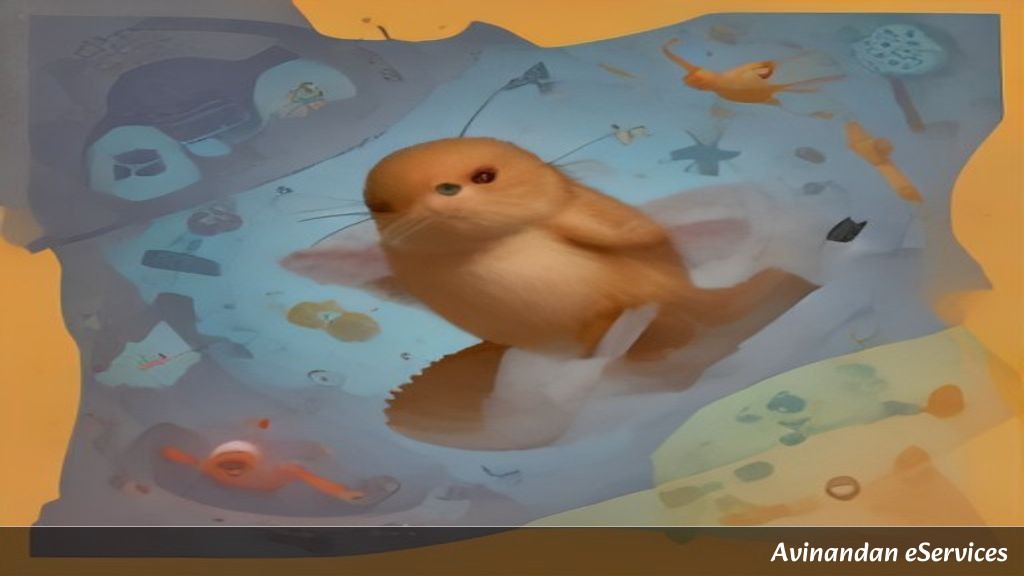
Ananya: Nope! It is a tiny mammal that weighs less than a quarter of a pound, called the Hero Shrew!
Kabir: A shrew? That little mouse-looking animal? How could a tiny creature have super strength?
Ananya: It sounds unbelievable, but the Hero Shrew has one of the strongest backbones on the entire planet relative to its size. Scientists discovered that a full-grown human adult can literally step directly onto a Hero Shrew's back, and the shrew won't be harmed at all!
Kabir: Hold on a second! An adult human weighs about 70 or 80 kilograms, while the shrew weighs around 100 grams! That is like putting an elephant on top of a bicycle! Why doesn't it get crushed?
Ananya: It all comes down to the incredible structure of its spine. In most mammals—including you, me, and even dogs—our lumbar vertebrae, which are the bones in our lower back, have small, simple joints. Humans only have 5 lumbar vertebrae, and a regular mouse has about 6. But the Hero Shrew has 10 to 11 lumbar vertebrae!
Kabir: Wow, double the spinal bones! But does having more bones make it stronger?
Ananya: It's not just the number of bones, Kabir; it's how they fit together. In an ordinary spine, the bones sit on top of each other with smooth edges. In the Hero Shrew, each vertebra is covered with dozens of tiny, finger-like bony projections that interlock tightly with the neighboring bones, almost like interlocking puzzle pieces or 3D Lego bricks!
Kabir: Oh, so when heavy pressure pushes down on its back, the bony fingers lock together!
Ananya: Exactly! Instead of bending or snapping under heavy weight, the vertebrae lock into a solid arch. This distributes the pressure across its whole torso and down into its ribcage and hips, shielding its organs and spine from being squished.
Kabir: That is mind-blowing! It’s like having a built-in titanium bridge inside its body! But why would a tiny creature need a super-strong backbone in the first place? Are they fighting giant monsters in the jungle?
Ananya: Haha, no! They use their super spine to get their dinner. Hero shrews live in swampy palm forests where delicious, juicy earthworms and beetle larvae hide under heavy fallen palm leaves, thick roots, and rocks.
Kabir: So they lift the heavy rocks?
Ananya: Even better—they crawl into tight spaces under heavy log bases or palm fronds and use their back like a powerful hydraulic car jack! By arching their back, they wedge open heavy obstacles that other animals can't move, reaching food that nobody else can get to.
Kabir: Wow, so their backbone is actually a tool for survival and foraging! Did scientists just recently find out about this?
Ananya: Modern scientists first documented the Hero Shrew in the early 1900s, but the indigenous Mangbetu people of the Democratic Republic of the Congo knew about this creature for generations. They called it 'Thor's Hero Shrew' and respected it so much that warriors used to wear parts of the shrew as a talisman, believing its invincible strength would protect them in battle.
Kabir: I can definitely see why! Nature is full of incredible architectural designs that engineers can learn from!
Ananya: Absolutely! Engineers are actually studying the Hero Shrew's interlocking spine to design stronger, flexible materials for bridges, armors, and medical equipment!
So, What Did We Learn Today?
- The Hero Shrew's Superpower: The Hero Shrew is a small African mammal with a spine capable of supporting up to 1,000 times its own body weight!
- Interlocking Spine Architecture: Unlike normal mammals, the Hero Shrew has up to 11 lumbar vertebrae equipped with finger-like bony projections that lock together under pressure like puzzle pieces.
- Natural Hydraulic Jack: The shrew uses its incredibly strong spine to lift heavy palm roots and rocks to hunt for hidden insects.
- Inspiring Engineering: The structural geometry of the Hero Shrew's backbone is inspiring modern engineers to build flexible yet ultra-strong protective structures.
Kabir: Thanks Ananya! Next time I draw a superhero, I am definitely giving them the backbone of a Hero Shrew!