Introduction to Delhi Sultanate for RRB Exams
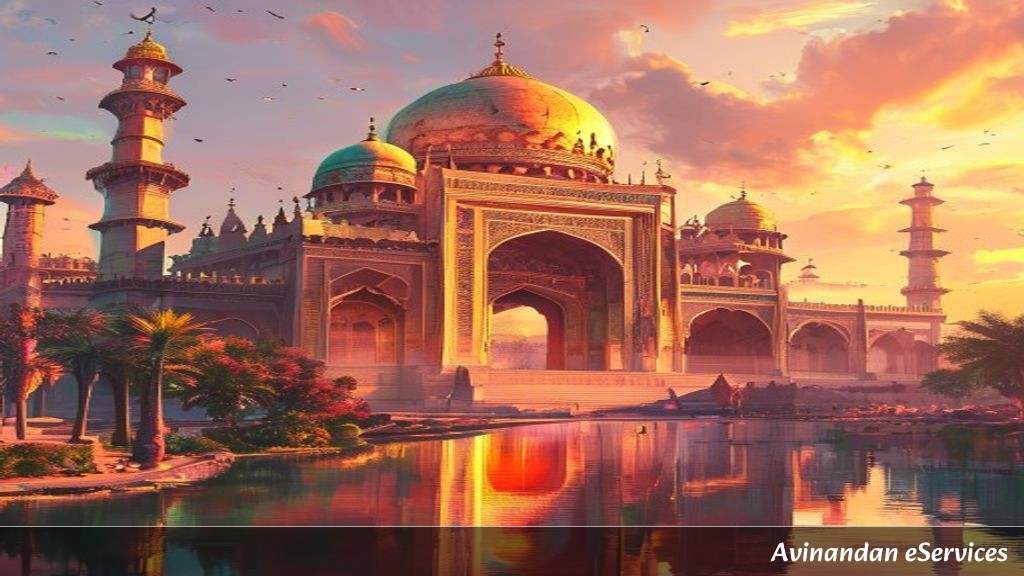
The Delhi Sultanate was a prominent Islamic empire based in Delhi that stretched over large parts of the Indian subcontinent for 320 years (1206–1526 AD). Five distinct dynasties ruled sequentially during this era: the Mamluk (Slave) Dynasty, Khalji Dynasty, Tughlaq Dynasty, Sayyid Dynasty, and Lodi Dynasty. For candidates preparing for RRB NTPC, RRB Group D, RRB Technician Grade I, and RRB Technician Grade III exams, Medieval Indian History—specifically the Delhi Sultanate—is an essential and high-yield section within General Awareness.
Understanding the administrative setups, architectural achievements, key battles, economic reforms, and sequence of rulers during this period is vital to scoring maximum marks. This comprehensive guide details all critical historical facts, dynasties, key terms, sample exam questions, and preparation strategies tailored for Indian Railway recruitment examinations.
Topic Weightage and Importance
In RRB exams like NTPC (CBT-1 and CBT-2) and Group D, General Awareness carries a significant portion of total marks. History constitutes about 4 to 6 questions per shift, with Medieval India contributing 1 to 2 direct questions. The Delhi Sultanate is frequently targeted by examiners because of its distinct administrative terms, architectural monuments, and influential rulers.
| Exam Name | Total GA Questions | Medieval History Weightage | Targeted Sultanate Topics |
|---|---|---|---|
| RRB NTPC CBT-1 | 40 Questions | 2-3 Questions | Dynasties, Monuments, Battles |
| RRB NTPC CBT-2 | 50 Questions | 3-4 Questions | Administrative Terms, Taxes, Chronology |
| RRB Group D | 20 Questions (General Science separate) | 1-2 Questions | Rulers, Titles, Important Battles |
| RRB Technician (Grade I & III) | 10-20 GA Questions | 1-2 Questions | Founders, Foreign Visitors, Reforms |
Key Concepts and Historical Facts
1. Chronology of Dynasties
- Mamluk / Slave Dynasty (1206–1290 AD): Founded by Qutb-ud-din Aibak.
- Khalji Dynasty (1290–1320 AD): Founded by Jalal-ud-din Khalji. Known for market reforms under Alauddin Khalji.
- Tughlaq Dynasty (1320–1414 AD): Founded by Ghiyas-ud-din Tughlaq. Ruled for the longest duration among Sultanate dynasties.
- Sayyid Dynasty (1414–1451 AD): Founded by Khizr Khan. Ruled for the shortest duration.
- Lodi Dynasty (1451–1526 AD): Founded by Bahlul Lodi. The only Afghan dynasty among the five. Ended after the First Battle of Panipat (1526).
2. Major Rulers and Key Contributions
- Qutb-ud-din Aibak (1206–1210): Known as Lakh Baksh (giver of lakhs). Started construction of Qutb Minar in memory of Sufi saint Khwaja Qutbuddin Bakhtiyar Kaki; built Quwwat-ul-Islam mosque (Delhi) and Adhai Din Ka Jhonpra (Ajmer). Died playing Chaughan (Polo).
- Shams-ud-din Iltutmish (1211–1236): Real founder of the Delhi Sultanate. Introduced silver coin (Tanka) and copper coin (Jital). Organized the group of 40 loyal nobles called Turkan-i-Chahalgani or Chalisa. Introduced the Iqta system. Completed Qutb Minar construction.
- Razia Sultana (1236–1240): First and only Muslim woman ruler of Medieval India. Appointed Jamal-ud-din Yaqut as superintendent of horses. Married Altunia, governor of Bhatinda.
- Ghiyas-ud-din Balban (1266–1287): Destroyed the power of Turkan-i-Chahalgani. Created a strong centralized army called Diwan-i-Arz. Introduced royal customs of Sijda (prostration) and Paibos (kissing the monarch's feet). Introduced Persian festival Navroz. Policy of 'Blood and Iron'.
- Alauddin Khalji (1296–1316): Established strict market control mechanisms managed by Shahna-i-Mandi. Created permanent standing army and paid soldiers in cash. Introduced system of branding horses (Dagh) and descriptive roll of soldiers (Chehra). Constructed Alai Darwaza, Siri Fort, and Hauz Khas. Sent Malik Kafur on southern expeditions.
- Muhammad bin Tughlaq (1325–1351): Highly educated ruler, known for controversial experiments: transfer of capital from Delhi to Devagiri (Daulatabad), introduction of copper token currency, Khurasan and Qarachil expeditions, taxation in the Doab region. Established agricultural department Diwan-i-Amir-Kohi. Moroccan traveler Ibn Battuta visited during his reign and wrote Rihla.
- Firoz Shah Tughlaq (1351–1388): Built network of canals for irrigation. Imposed Jizya tax on Brahmins. Established departments like Diwan-i-Khairat (Charity department), Diwan-i-Bundagan (Department of slaves), and hospitals named Dar-ul-Shifa. Built towns like Firozabad, Fatehabad, Hisar, and Jaunpur.
- Ibrahim Lodi (1517–1526): Last Sultan of Delhi. Defeated and killed by Babur in the First Battle of Panipat on April 21, 1526, paving the way for the Mughal Empire.
3. Sultanate Administration and Important Departments
| Department / Term | Function / Meaning |
|---|---|
| Diwan-i-Wizarat | Department of Finance, headed by the Wazir (Prime Minister) |
| Diwan-i-Arz | Department of Military, created by Balban |
| Diwan-i-Insha | Department of Royal Correspondence |
| Diwan-i-Rasalat | Department of Religious / Foreign Affairs |
| Diwan-i-Amir-Kohi | Department of Agriculture, created by Muhammad bin Tughlaq |
| Diwan-i-Khairat | Department of Charity, created by Firoz Shah Tughlaq |
| Iqta System | Land revenue allotment system managed by Iqtadars/Muqtis |
| Shahna-i-Mandi | Market superintendent under Alauddin Khalji |
Solved Examples (Step-by-Step)
Exam questions in RRB test candidate knowledge through objective multiple-choice formats. Below are sample solved questions analyzing reasoning and elimination steps.
Example 1
Question: Who among the following Delhi Sultans introduced the 'Dagh' (branding of horses) and 'Chehra' (descriptive roll of soldiers) systems to prevent corruption in the army?
- (A) Iltutmish
- (B) Balban
- (C) Alauddin Khalji
- (D) Muhammad bin Tughlaq
Detailed Solution:
- Step 1: Identify the reform mentioned—Dagh and Chehra were military administrative reforms aimed at maintaining a disciplined, permanent standing army.
- Step 2: Recall which ruler paid soldiers in cash and maintained direct military records. Alauddin Khalji created a permanent standing army, introduced price controls to keep military costs low, and implemented Dagh and Chehra to prevent proxy recruitment and fake horse registration.
- Step 3: Match with options. Option (C) is the correct answer.
Correct Answer: (C) Alauddin Khalji
Example 2
Question: Match the following foreign travelers with the Delhi Sultan during whose reign they visited India:
- 1. Ibn Battuta — A. Muhammad bin Tughlaq
- 2. Niccolo de Conti — B. Devaraya I (Vijayanagara, contemporary to Sultanate period)
- 3. Marco Polo — C. Rudramadevi / Pandyan Kingdom (Late 13th Century)
Detailed Solution:
- Step 1: Ibn Battuta, a Moroccan traveler, arrived in India in 1333 AD during the rule of Muhammad bin Tughlaq and served as Qazi of Delhi for eight years.
- Step 2: Verify correct pairing: 1 matches with A.
- Step 3: Select appropriate answer choice reflecting 1-A.
Correct Answer: Ibn Battuta visited during the reign of Muhammad bin Tughlaq.
Example 3
Question: Arrange the following dynasties of the Delhi Sultanate in chronological order of their reign:
- 1. Tughlaq Dynasty
- 2. Khalji Dynasty
- 3. Mamluk Dynasty
- 4. Lodi Dynasty
- 5. Sayyid Dynasty
Detailed Solution:
- Step 1: Mamluk (Slave) Dynasty: 1206–1290 AD
- Step 2: Khalji Dynasty: 1290–1320 AD
- Step 3: Tughlaq Dynasty: 1320–1414 AD
- Step 4: Sayyid Dynasty: 1414–1451 AD
- Step 5: Lodi Dynasty: 1451–1526 AD
- Order: 3 → 2 → 1 → 5 → 4
Correct Chronological Order: Mamluk → Khalji → Tughlaq → Sayyid → Lodi
Common Mistakes to Avoid
- Confusing Qutb Minar Builders: Qutb-ud-din Aibak started construction, Iltutmish completed the four storeys, and Firoz Shah Tughlaq repaired damaged storeys and added the fifth storey. Do not attribute full creation to a single ruler.
- Mixing Up Coin Names: Remember that Iltutmish introduced the Silver Tanka and Copper Jital. Do not confuse them with Mughal coinages like Rupee (introduced later by Sher Shah Suri).
- Confusing Longest vs Shortest Ruling Dynasty: The Tughlaq Dynasty ruled the longest (94 years), whereas the Khalji Dynasty ruled for the shortest duration (30 years). Many candidates incorrectly mark Sayyid as shortest.
- Attributing Turkan-i-Chahalgani Incorrectly: Iltutmish created Turkan-i-Chahalgani (group of 40 nobles), while Balban destroyed it to consolidate royal power.
- Misunderstanding Jizya Tax: Firoz Shah Tughlaq was the first Sultan to impose Jizya specifically on Brahmins, who were previously exempted.
Practice Questions with Solutions
Practice Questions
Q1. Which Sultan of Delhi assumed the title of 'Sikandar-i-Sani' (Second Alexander)?
- (A) Balban
- (B) Alauddin Khalji
- (C) Muhammad bin Tughlaq
- (D) Sikandar Lodi
Q2. The famous Moroccan traveler Ibn Battuta visited India during the reign of which Sultan?
- (A) Alauddin Khalji
- (B) Ghiyasuddin Tughlaq
- (C) Muhammad bin Tughlaq
- (D) Firoz Shah Tughlaq
Q3. Who among the following was the founder of the Sayyid Dynasty?
- (A) Khizr Khan
- (B) Mubarak Shah
- (C) Muhammad Shah
- (D) Alam Shah
Q4. The administrative department 'Diwan-i-Amir-Kohi' was created by which Sultan to improve agriculture?
- (A) Balban
- (B) Alauddin Khalji
- (C) Muhammad bin Tughlaq
- (D) Firoz Shah Tughlaq
Q5. In which year was the First Battle of Panipat fought, ending the Delhi Sultanate?
- (A) 1192 AD
- (B) 1206 AD
- (C) 1526 AD
- (D) 1556 AD
Q6. Which Delhi Sultan shifted his capital from Delhi to Devagiri (Daulatabad)?
- (A) Iltutmish
- (B) Alauddin Khalji
- (C) Muhammad bin Tughlaq
- (D) Ibrahim Lodi
Solutions and Explanations
S1. Answer: (B)
Explanation: Alauddin Khalji dreamed of world conquest and took the title Sikandar-i-Sani (Second Alexander), which was minted on his coins.
S2. Answer: (C)
Explanation: Ibn Battuta arrived in India in 1333 AD during the reign of Muhammad bin Tughlaq, who appointed him as the Chief Qazi of Delhi.
S3. Answer: (A)
Explanation: Khizr Khan founded the Sayyid Dynasty in 1414 AD after Timur's invasion of Delhi in 1398 AD.
S4. Answer: (C)
Explanation: Muhammad bin Tughlaq established Diwan-i-Amir-Kohi to \textend financial support (Takkavi loans) to farmers and bring uncultivated land under farming.
S5. Answer: (C)
Explanation: The First Battle of Panipat took place on April 21, 1526, between Babur and Ibrahim Lodi, marking the end of the Delhi Sultanate and start of Mughal rule.
S6. Answer: (C)
Explanation: Muhammad bin Tughlaq ordered the transfer of capital from Delhi to Devagiri (renamed Daulatabad) in 1327 AD to better control Southern India, though the decision was reversed later due to hardship.
Frequently Asked Questions (FAQs)
1. Which dynasty ruled the Delhi Sultanate for the longest duration?
The Tughlaq Dynasty ruled for the longest period (94 years, from 1320 to 1414 AD).
2. Who was the real founder of the Delhi Sultanate?
Shams-ud-din Iltutmish is considered the real founder of the Delhi Sultanate because he secured a formal letter of investiture from the Abbasid Caliph of Baghdad, stabilized borders, established monetary system (Tanka and Jital), and organized imperial governance.
3. What was the Iqta system in the Delhi Sultanate?
The Iqta system was a land grant system where territories (Iqtas) were assigned to military commanders and nobles (Iqtadars/Muqtis) in lieu of cash salaries. In return, they collected revenue and maintained troops for the Sultan.
4. Which city was founded by Sikandar Lodi in 1504 AD?
Sikandar Lodi founded the city of Agra in 1504 AD and shifted his capital from Delhi to Agra in 1506 AD.
Conclusion and Final Tips
Mastering the Delhi Sultanate requires a structured approach: memorize the sequence of dynasties, understand key economic and military reforms, and retain administrative terminology frequently asked in RRB exams. Focus on rulers like Iltutmish, Balban, Alauddin Khalji, Muhammad bin Tughlaq, and Firoz Shah Tughlaq as they form the core of objective history questions.
Make concise revision notes using tables for administrative departments and major monuments. Practice previous years' RRB NTPC and Group D question papers to build accuracy and speed. Regular revision will ensure you secure full marks from Medieval Indian History in your upcoming Railway examinations!