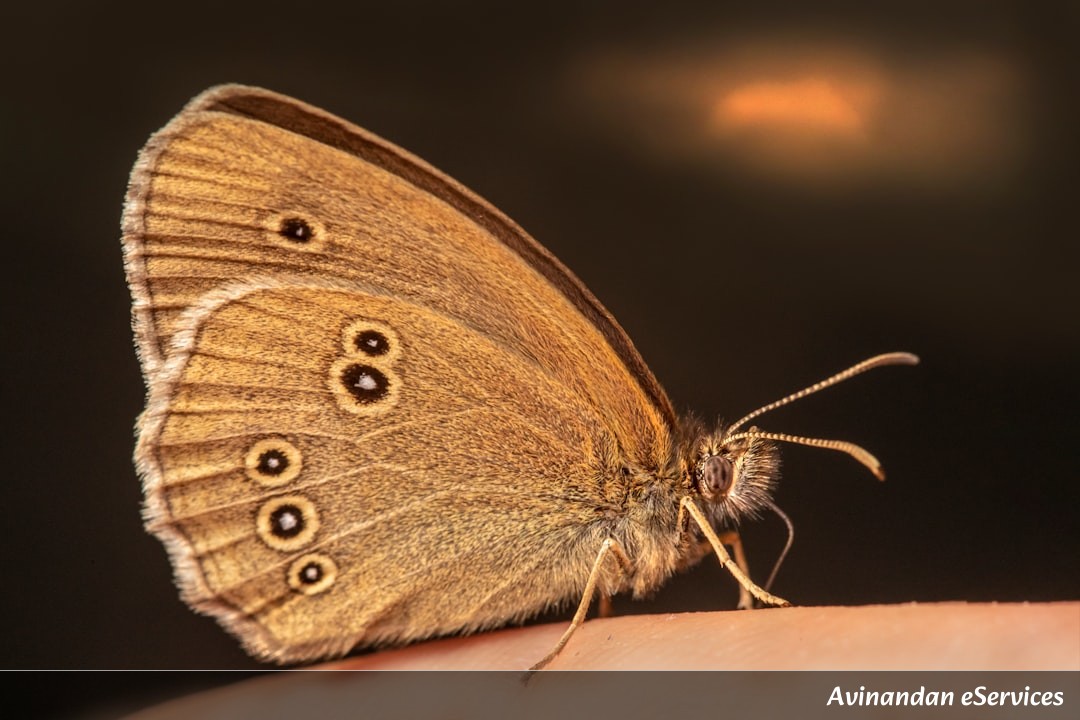
Aarav: Hey Isha, I was watching a butterfly land on a flower in my garden today, and it looked like it was dancing on the petals. Why was it tapping its feet so much before drinking the nectar?
Isha: That is a great observation, Aarav! Believe it or not, that butterfly wasn't just dancing—it was actually 'tasting' the flower with its feet! It is a super cool biological trick called contact chemoreception.
Aarav: Wait, what? Taste with their feet? Does that mean they have taste buds on their toes, just like we have them on our tongues?
Isha: Exactly! Butterflies have tiny sensors called chemoreceptors on their legs. When they land on a plant, these sensors detect chemicals on the surface of the leaf or petal. It helps them figure out instantly if the plant is a good place to lay their eggs or if it has the right sugar to drink.
Aarav: That sounds incredibly useful! But why do they need to do that? Why not just use their eyes or their nose?
Isha: Think about it this way, Aarav. Butterflies are very picky eaters. If a mother butterfly lays her eggs on the wrong type of plant, her babies—the caterpillars—might not have the right food to eat when they hatch. By 'tasting' with their feet, they can identify the perfect host plant without wasting time or energy.
Aarav: Wow, it's like they have a built-in chemistry lab in their legs! Is it just butterflies that do this, or do other bugs use their feet for eating too?
Isha: You see this in other insects too! Many flies, bees, and even some beetles have taste sensors on their legs or antennae. It is an amazing way to interact with the world around them. It is almost like being able to read a menu just by standing on it!
Aarav: That is honestly one of the weirdest and coolest things I've learned all week. I’m definitely going to look at the butterflies in the garden differently now.
So, What Did We Learn Today?
- Taste by Touch: Butterflies use chemoreceptors on their feet to identify plants, acting like tiny taste buds.
- The Reason Why: This allows them to quickly find safe places to lay eggs and nutritious nectar for themselves.
- Evolutionary Advantage: This 'foot-tasting' saves precious energy and ensures the survival of their offspring.
- Widespread Skill: Many other insects, like flies and bees, also use their legs to sense chemicals in their environment.
Aarav: I’m so glad we talked about this, Isha. Next time I see a butterfly landing, I'll know it's just checking out the menu!