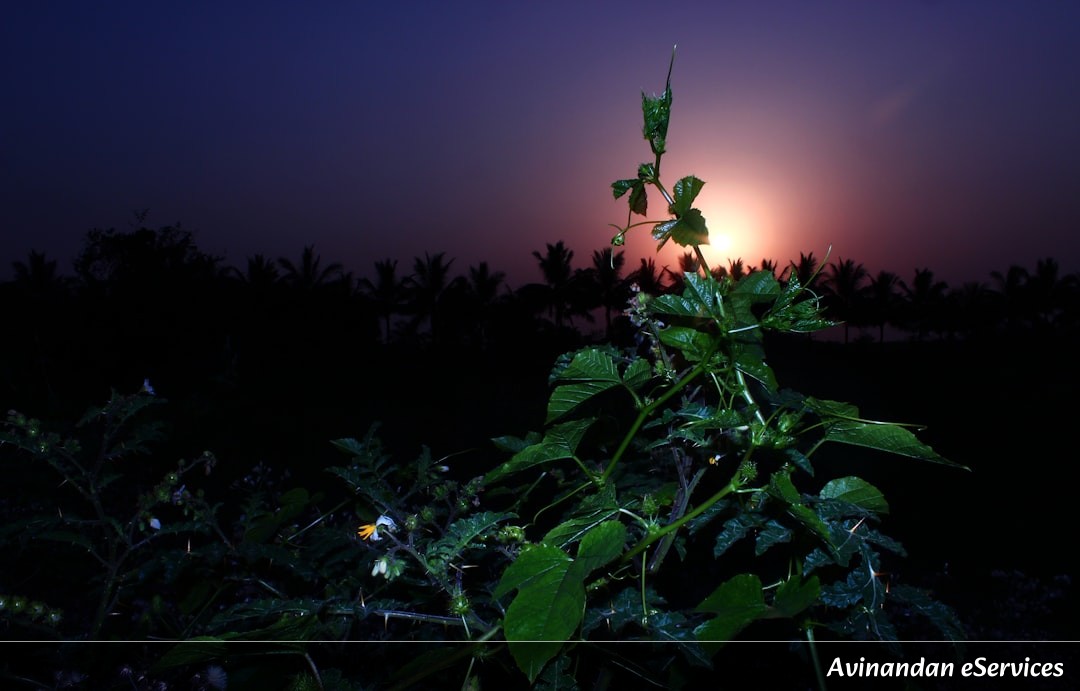
Samir: Ananya, I was reading about flowers in our garden today. Have you ever noticed how they know exactly when to wake up? It's like they have tiny alarm clocks!
Ananya: That's a great observation, Samir! It is not exactly an alarm clock, but something even cooler. Some plants have what scientists call a 'circadian rhythm,' but specifically, they possess a protein that acts like a biological memory of the light they have absorbed.
Samir: A memory of light? That sounds like science fiction! How can a plant remember light?
Ananya: It sounds magical, but it is pure chemistry. Plants have specialized proteins called phytochromes. Think of them as light-sensitive switches. They absorb red and far-red light from the sun, and by measuring the ratio of these light types over time, the plant can 'calculate' how long the day is. It is essentially keeping a tally of the total light exposure to decide when it's safe to bloom.
Samir: Wow, so they are like little mathematicians! Why do they need to calculate the light? Why not just bloom whenever they feel like it?
Ananya: That would be risky! Imagine blooming in the middle of a cold, dark week. The pollinators, like bees or butterflies, wouldn't be out, and the cold might damage the delicate petals. By measuring light levels, they ensure they bloom exactly when the season is perfect for reproduction.
Samir: That makes total sense! It is like waiting for the perfect day to have a picnic. Is this how they know when autumn is coming too?
Ananya: Exactly! As the days get shorter, the plants notice the change in the light 'dosage.' This tells them it is time to drop their leaves or prepare for winter. It is an internal survival strategy.
So, What Did We Learn Today?
Ananya: We discovered that plants are much smarter than they look! Here is the summary:
- Plants use proteins called phytochromes to detect light quality and duration.
- This process acts like a biological memory, helping the plant 'calculate' the time of year.
- By tracking light, plants avoid blooming at the wrong time, ensuring they stay healthy and attract the right pollinators.
Samir: I am never going to look at my garden the same way again. They aren't just sitting there; they are constantly doing math about the sun!