Introduction to the Topic
In the landscape of modern democracy, Federalism stands as a cornerstone for managing power in large, diverse nations like India. Simply put, federalism is a system of government where power is divided between a central authority and its various constituent units, such as states or provinces. Rather than concentrating power in one set of hands, federalism encourages a partnership between different levels of government, ensuring that regional needs are addressed alongside national interests.
Key Concepts Explained
To truly understand how federalism works, we must look at the specific features that define a federal structure:
- Two or More Levels of Government: In India, we have the Union Government (Central) and State Governments. Both derive their power from the Constitution.
- Division of Powers: The Constitution provides three lists to clearly define the responsibilities of each level: the Union List (defence, foreign affairs), the State List (police, trade, agriculture), and the Concurrent List (education, marriage, forests).
- Rigid Constitution: The fundamental provisions of the Constitution cannot be unilaterally changed by one level of government. Any change requires the consent of both levels.
- Supreme Court as Umpire: If a dispute arises between the central and state governments regarding their powers, the Supreme Court acts as the final arbiter to interpret the Constitution.
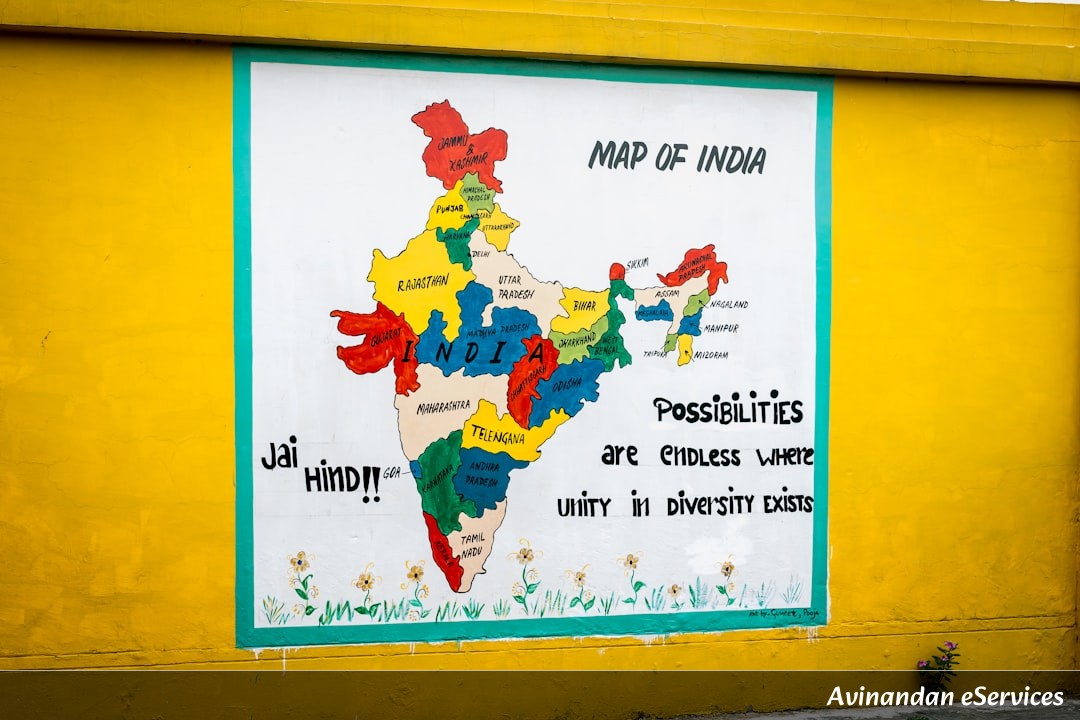
The Indian Context: India practices a 'holding together' federation. While the Centre is often given more power—especially in cases of emergency or national security—the essence of the system is to provide autonomy to states, allowing for cultural, linguistic, and regional diversity to flourish within a single national identity.
Summary & Key Takeaways
Federalism is the secret to maintaining unity in diversity. By decentralizing power, India ensures that local governance stays close to the people while maintaining a strong center for national cohesion. Remember these points for your exams:
- Federalism prevents the misuse of power through a system of checks and balances.
- The Constitution is the supreme authority that defines the scope of power for both levels of government.
- Decentralization, such as the Panchayati Raj system, takes federalism a step further by bringing power down to the village and municipal levels.