Arjun: Hey Saanvi! I was reading about how plants just sit there and look pretty. Do they actually do anything else, or are they just waiting for water and sunlight?
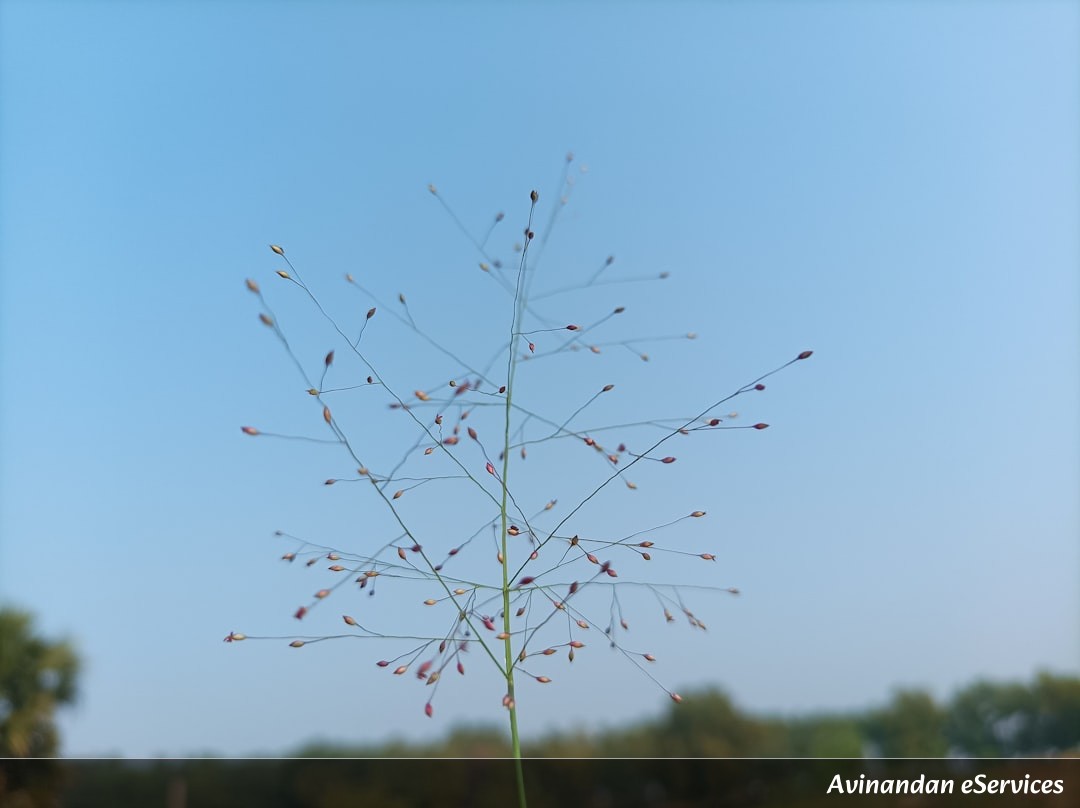
Saanvi: Oh, Arjun, they are definitely doing more than that! In fact, some plants are like undercover detectives. They can actually act as 'chemical spies' by detecting specific signals in the air to defend themselves.
Arjun: Chemical spies? That sounds like a movie plot! How could a plant possibly be a spy?
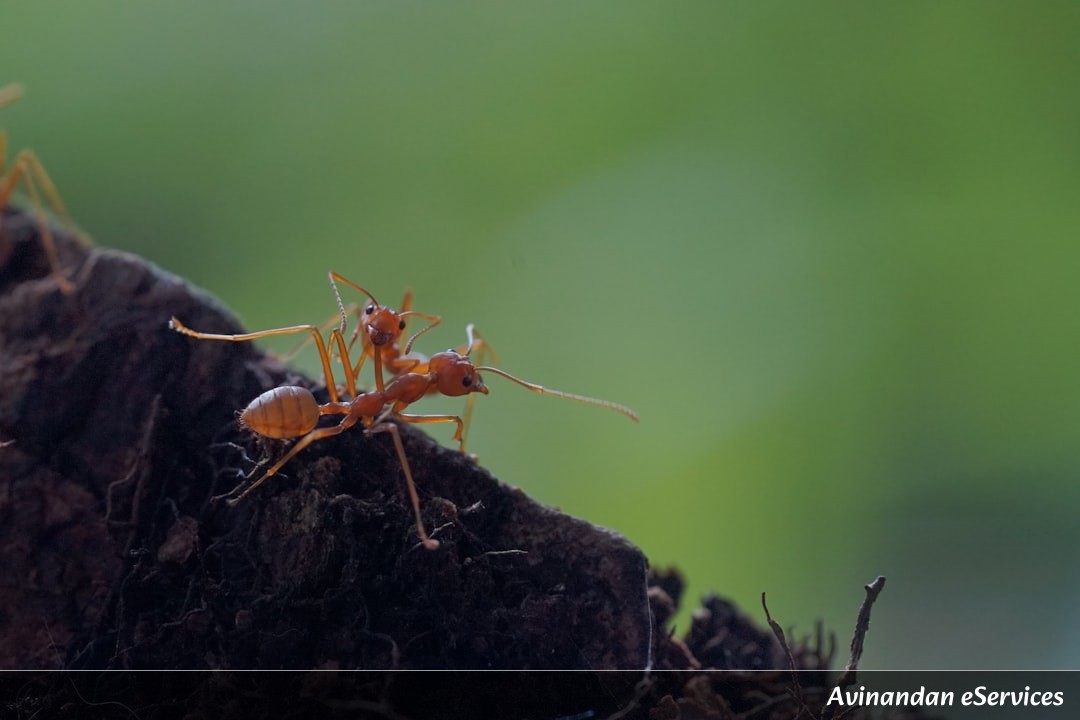
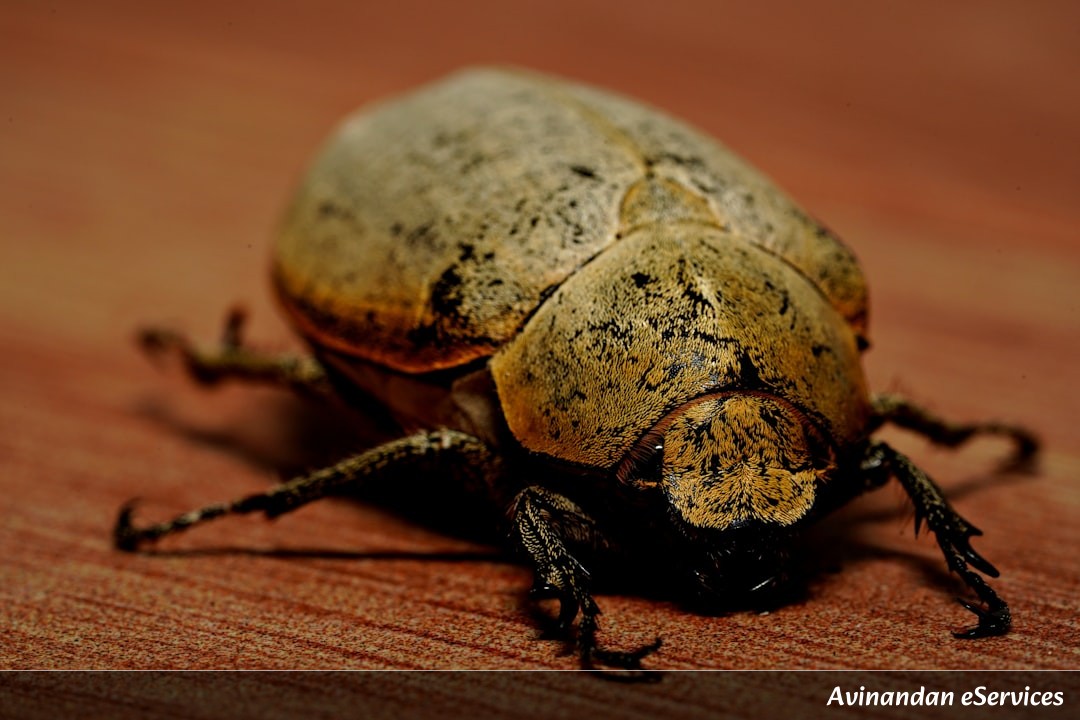
Saanvi: It’s all about communication. When a hungry insect starts chewing on a leaf, the plant releases a specific mix of chemicals into the air. It’s like a distress signal or a scream that travels on the breeze. Nearby plants 'smell' these chemicals and start producing their own defenses before the bugs even reach them!
Arjun: Wow, so they are warning their neighbors? Do they use words or something?
Saanvi: Not words, but Volatile Organic Compounds, or VOCs. It’s a complex chemical language. Scientists call it 'plant eavesdropping.' If a plant detects these VOCs, it might start making bitter-tasting chemicals to make the leaves unappetizing, or even release chemicals that attract predators, like wasps, to come and eat the bugs attacking the plant.
Arjun: That is amazing! It’s like the plants are calling for backup. Are all plants capable of this?
Saanvi: Many species, especially tobacco plants and certain types of trees, are very good at it. Some researchers are even studying this to help farmers. If we understand these signals, we might be able to help crops protect themselves naturally without needing as many harmful pesticides.
Arjun: So, we could basically have a field of plants that talk to each other to stay healthy? Science is so cool.
So, What Did We Learn Today?
- Plants are not silent; they use chemical signals called VOCs to communicate with neighbors.
- This process acts as a warning system against hungry insects, allowing plants to prepare their defenses early.
- Some plants can even attract 'bodyguard' insects to help them get rid of pests.
- Understanding these signals could change how we grow food in the future!
Arjun: I’m going to look at my garden differently now. Every time the wind blows, I’ll wonder if the plants are gossiping about the neighborhood bugs!