Introduction to the Topic
In our modern world, almost everything we touch, use, or rely on comes from the Earth. Whether it is the metal in your smartphone, the fuel in a car, or the electricity powering your home, these are all derived from mineral and power resources. Chapter 3 of the Class VIII Geography syllabus introduces us to the fundamental building blocks of industrial and economic development. Understanding these resources is crucial for learning how humanity sustains itself and why sustainable management is vital for our future.
Key Concepts Explained
Resources are categorized into two main groups: Minerals and Power Resources. Let's break them down:
1. What are Minerals?
A mineral is a naturally occurring substance with a definite chemical composition. Minerals are not distributed evenly across the Earth; their presence depends on the geological processes of a region. They are classified into two types:
- Metallic Minerals: These contain metal in raw form. They are subdivided into ferrous (containing iron, like iron ore and manganese) and non-ferrous (not containing iron, like gold, silver, and copper).
- Non-Metallic Minerals: These do not contain metals. Examples include limestone, mica, and gypsum.
2. Extraction and Conservation
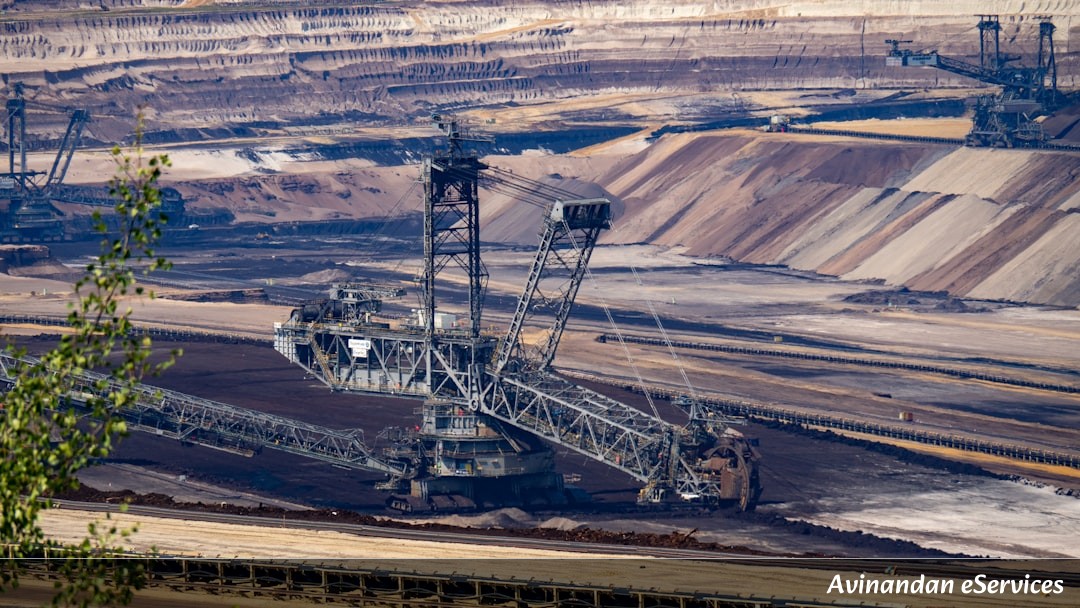
Minerals are \textracted through mining, drilling, or quarrying. Because they take millions of years to form, they are considered non-renewable. This makes conservation—such as reducing waste, recycling metals, and using substitutes—essential.
3. Power Resources
Power resources provide the energy required for industries, agriculture, and transport. They are broadly divided into two categories:
- Conventional Sources: These have been used for a long time and are generally exhaustible. Examples include fossil fuels (coal, petroleum, natural gas) and firewood.
- Non-Conventional Sources: These are renewable, cleaner, and more sustainable. Key examples include solar energy, wind energy, tidal energy, and nuclear power.
Summary & Key Takeaways
To master this chapter, keep these points in mind:
- Minerals are naturally occurring, non-renewable substances that need careful \textraction.
- Fossil fuels are the primary conventional energy sources, but they cause environmental pollution.
- Non-conventional sources are the future, as they offer sustainable, eco-friendly energy alternatives.
- Conservation is not just a choice but a necessity to ensure that future generations have access to these vital resources.