Arjun: Ouch! Priya, look at this. I scraped my knee while playing cricket, and look—my blood is so bright red! Why is it always red? Why can't it be a cooler color, like neon green or electric blue?
Priya: Haha, Arjun, red is the standard for us humans because of the iron in our hemoglobin. But believe it or not, there is an animal right here on Earth that actually has bright, alien-like blue blood!
Arjun: No way! You’re joking, right? Is it some kind of rare deep-sea fish or an octopus?
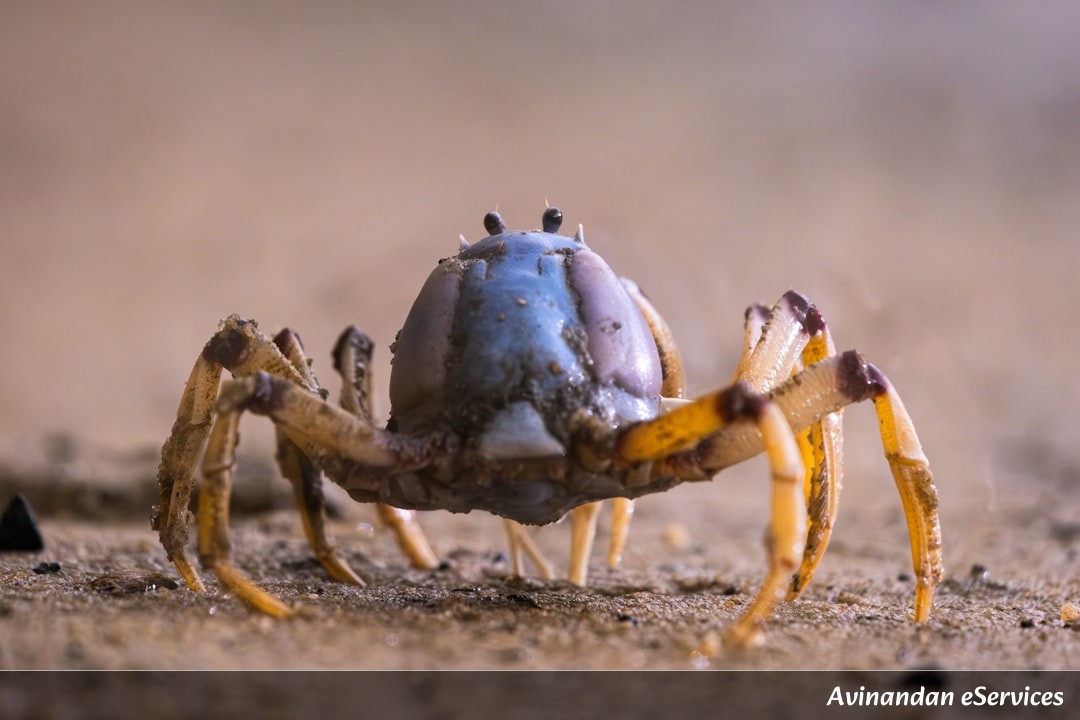
Priya: Well, octopuses do have blue blood, but the most incredible one is the Horseshoe Crab. It’s one of the oldest living creatures on the planet, often called a "living fossil."
Arjun: A living fossil? That sounds like something from Jurassic Park! But wait, why is their blood blue? Did they drink too much blueberry juice?
Priya: Not quite! Our blood is red because it uses iron to carry oxygen through our bodies. But Horseshoe Crabs don’t use iron. Instead, their blood uses copper! When copper binds with oxygen, it turns a beautiful, shimmery blue color.
Arjun: Whoa, copper? Like the stuff inside the electrical wires in our house? That is so cool! But besides the color, is there anything else special about it?
Priya: That’s the best part, Arjun. Their blue blood is actually a superhero in the world of medicine. It has a very special superpower: it can detect invisible monsters!
Arjun: Invisible monsters? You mean like germs?
Priya: Exactly. Specifically, things called endotoxins. These are tiny, poisonous bits of bacteria that can hide on medical tools, like needles or inside vaccines. Even a tiny amount could make a human very, very sick.
Arjun: So, how does the blue blood find them? Does it glow when it sees a germ?
Priya: It does something even better. The Horseshoe Crab’s blood contains special cells called amebocytes. When these cells come into contact with even a billionth of a gram of bacteria, they instantly react by turning the blood into a thick, gooey gel. It’s like an instant physical trap for the germs!
Arjun: That is amazing! It’s like a biological alarm system. So, do scientists use this to help people?
Priya: Every single day. Scientists use a liquid made from this blood, called LAL (Limulus Amebocyte Lysate), to test every vaccine, IV drip, and surgical implant before they are ever used on a human. If you’ve ever had a shot at the doctor’s office, it was likely tested using the blue blood of a Horseshoe Crab to make sure it was safe.
Arjun: Wow, so these crabs are literally lifesavers! But wait, if we need their blood, do we have to... you know... hurt them?
Priya: That’s a great question. Scientists are very careful. They "borrow" some blood from the crabs—about 30 percent—and then they release the crabs back into the ocean. It’s like when humans donate blood at a hospital. However, scientists are now working hard to create a synthetic, lab-made version so they don't have to use the crabs at all!
Arjun: I hope they figure it out soon. Those crabs have been around for a long time, haven't they?
Priya: They sure have! Horseshoe Crabs have been on Earth for about 450 million years. That means they survived all five of the Earth’s mass \textinctions. They were scuttling around on the ocean floor long before the first dinosaur even existed!
Arjun: They survived the dinosaurs? Man, they really are tough. And they have ten eyes, too, right? I think I read that somewhere.
Priya: You’re right! They have two large compound eyes on the sides of their shells and several other tiny eyes that sense light and even moonlight. They use the moon to know when it’s time to come to the beach and lay their eggs.
Arjun: So, they are 450-million-year-old, blue-blooded, ten-eyed, ancient spiders that save human lives every day. Science is way weirder than my comic books!
Priya: It really is, Arjun. It just goes to show that even the strangest-looking creatures can be the most important ones for our survival.
So, What Did We Learn Today?
- Blue Blood: Horseshoe Crabs have blue blood because it uses copper instead of iron to transport oxygen.
- Living Fossils: These creatures have existed for over 450 million years, making them older than dinosaurs!
- The LAL Test: Their blood contains amebocytes that turn into gel when they touch bacteria, which helps scientists test if medicines are safe.
- Medical Heroes: Almost every vaccine or IV fluid is tested using Horseshoe Crab blood to ensure there are no dangerous endotoxins.
- Anatomy: Despite the name, they aren't true crabs—they are closer to spiders and have 10 eyes!
Arjun: I'm definitely going to tell everyone at school that a shimmery blue-blooded "spider-crab" is the reason my medicine is safe. Thanks for the chat, Priya!