Introduction to the Human Circulatory System for RRB Exams
The Human Circulatory System, also known as the cardiovascular system, is one of the most critical topics in the General Science (Biology) section of Indian Railway Recruitment Board (RRB) exams like NTPC, Group D, and Technician. This complex network is responsible for the transport of nutrients, oxygen, carbon dioxide, hormones, and blood cells to and from the cells in the body to provide nourishment and help in fighting diseases, stabilizing temperature and pH, and maintaining homeostasis.
For RRB aspirants, understanding the nuances of how the heart functions, the composition of blood, and the different types of blood vessels is essential. This guide provides a comprehensive breakdown of the circulatory system, designed specifically to help you score maximum marks in your upcoming competitive exams.
Topic Weightage and Importance
In the General Science segment of RRB exams, Biology holds significant weightage, often accounting for 30-40% of the science questions. Within Biology, the Human Circulatory System is a 'hot topic'.
- RRB NTPC: You can expect 2-3 questions ranging from blood groups to heart structure.
- RRB Group D: Questions are often direct, focusing on the functions of RBCs, WBCs, and the largest artery or vein.
- RRB Technician: Detailed questions on the mechanism of blood clotting and the cardiac cycle are common.
Mastering this topic ensures you are prepared for at least 2 to 4 high-yield marks in your examination.
Key Concepts and Formulas
1. Blood: The Fluid Connective Tissue
Blood is a fluid connective tissue consisting of plasma and formed elements. The average adult human has about 5 to 6 liters of blood.
| Component | Key Characteristics & Functions |
|---|---|
| Plasma (55%) | Pale yellow liquid, contains 90-92% water, proteins (fibrinogen, globulins, albumin), and electrolytes. |
| RBCs (Erythrocytes) | Contain Hemoglobin (iron-rich protein). Lifespan is 120 days. Produced in Bone Marrow. Transport Oxygen. |
| WBCs (Leukocytes) | Part of the immune system. Types include Neutrophils, Lymphocytes, Monocytes, Eosinophils, and Basophils. |
| Platelets (Thrombocytes) | Essential for blood coagulation (clotting). Normal count is 1.5 to 3.5 lakh per mm³. |
2. The Human Heart
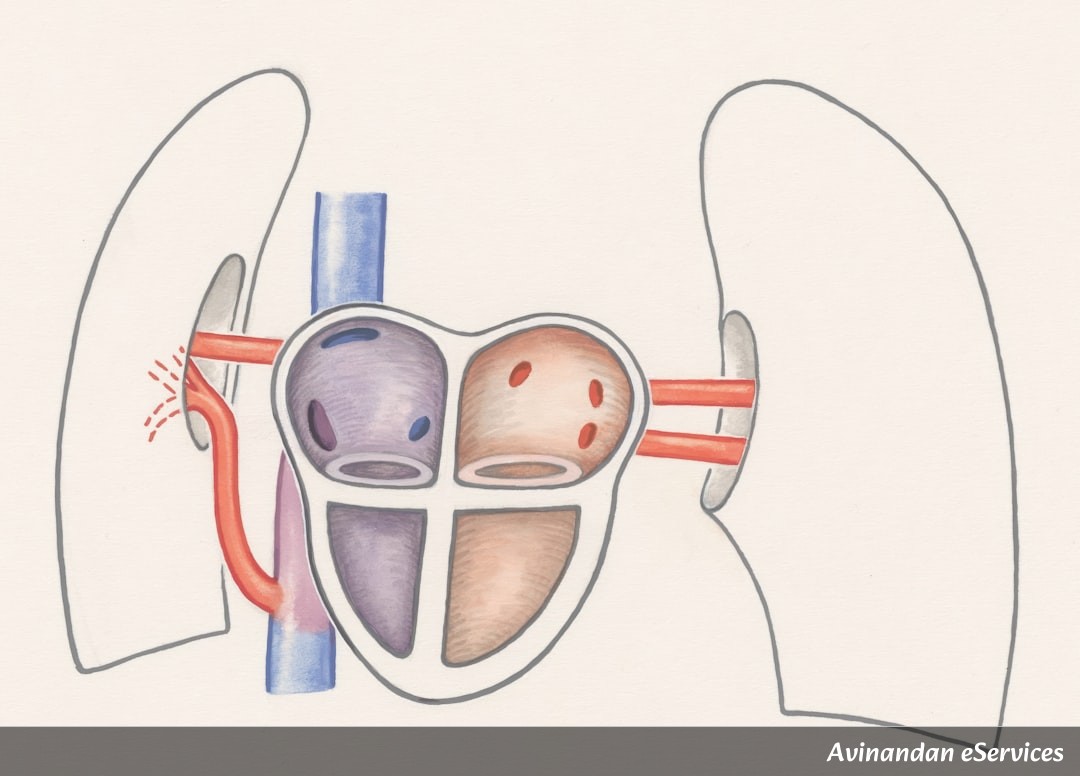
The heart is a muscular organ, roughly the size of a closed fist, located in the thoracic cavity between the lungs. It is protected by a double-walled membrane called the Pericardium.
- Chambers: Humans have a four-chambered heart: two upper Atria (auricles) and two lower Ventricles.
- Valves: They prevent backflow. The Tricuspid valve is on the right, and the Bicuspid (Mitral) valve is on the left.
- Pacemaker: The Sino-atrial (SA) node initiates the heart's electrical impulse.
3. Blood Vessels
- Arteries: Carry oxygenated blood away from the heart (Exception: Pulmonary Artery). They have thick, elastic walls.
- Veins: Carry deoxygenated blood toward the heart (Exception: Pulmonary Vein). They have valves to prevent backflow.
- Capillaries: Tiny vessels where the exchange of gases and nutrients occurs.
4. Blood Groups (ABO and Rh Factor)
Discovered by Karl Landsteiner. The blood groups are A, B, AB, and O, based on the presence or absence of antigens on RBCs.
- Universal Donor: O Negative (O-)
- Universal Recipient: AB Positive (AB+)
Solved Examples (Step-by-Step)
Example 1: Which metal is present in the hemoglobin of human blood?
Solution: The correct answer is Iron (Fe). Hemoglobin is a complex protein consisting of 'Heme' (an iron-containing pigment) and 'Globin'. Iron binds with oxygen molecules to transport them throughout the body.
Example 2: What is the normal blood pressure range for a healthy adult human?
Solution: The normal blood pressure is 120/80 mm Hg. 120 represents the Systolic pressure (heart contraction) and 80 represents the Diastolic pressure (heart relaxation). The instrument used to measure it is the Sphygmomanometer.
Example 3: If a person has blood group AB, which antibodies are present in their plasma?
Solution: A person with blood group AB has both A and B antigens on their RBCs but has No antibodies in their plasma. This is why they can receive blood from any group (Universal Recipient).
Common Mistakes to Avoid
- Confusing Pulmonary Vessels: Remember that the Pulmonary Artery is the *only* artery carrying deoxygenated blood, and the Pulmonary Vein is the *only* vein carrying oxygenated blood.
- Universal Donor Confusion: Many students think O+ is the universal donor. However, it is actually O Negative because it lacks A, B, and Rh antigens.
- Valves Location: Do not confuse the Tricuspid and Bicuspid valves. Remember: TRIcuspid is on the RIGHT (both have 'R').
- WBC vs RBC Lifespan: RBCs live for 120 days, whereas WBCs generally have a much shorter lifespan (days to weeks).
Practice Questions with Solutions
- Which part of the blood is responsible for clotting?
- What is the pH value of human blood?
- Which node is known as the natural pacemaker of the heart?
- What is the study of blood called?
- Which chamber of the heart has the thickest muscular wall?
- Which vitamin is essential for blood coagulation?
Solutions:
- 1. Platelets (Thrombocytes): They release thromboplastin to initiate clotting.
- 2. 7.4: Blood is slightly alkaline in nature.
- 3. SA Node (Sino-atrial Node): Located in the right atrium.
- 4. Hematology: The scientific study of blood and blood-forming tissues.
- 5. Left Ventricle: Because it has to pump blood to the entire body (systemic circulation).
- 6. Vitamin K: It is vital for the synthesis of prothrombin and other clotting factors.
Frequently Asked Questions (FAQs)
1. Why is human circulation called 'Double Circulation'?
It is called double circulation because blood passes through the heart twice during one complete cycle of the body: once for Pulmonary circulation (to lungs) and once for Systemic circulation (to the rest of the body).
2. What is the difference between Systole and Diastole?
Systole refers to the contraction phase of the heart chambers, pushing blood out. Diastole refers to the relaxation phase where the chambers fill with blood.
3. What causes a 'Heart Murmur'?
A heart murmur is an unusual sound heard between heartbeats, usually caused by turbulent blood flow or leaky/stiff heart valves.
Conclusion and Final Tips
The Human Circulatory System is a cornerstone of the RRB Biology syllabus. To master this topic, focus on the differences between blood components, the path of blood flow through the heart, and the unique nature of pulmonary vessels. Regularly revising the facts about blood groups and blood pressure will give you a competitive edge.
Final Tip: Draw a simple diagram of the heart and trace the path of a drop of blood from the Vena Cava to the Aorta. Visualizing the flow makes memorizing the valves and chambers much easier. Stay consistent, practice previous year questions, and you will surely ace the General Science section! Good luck!