Introduction to Indian Agriculture for RRB Exams
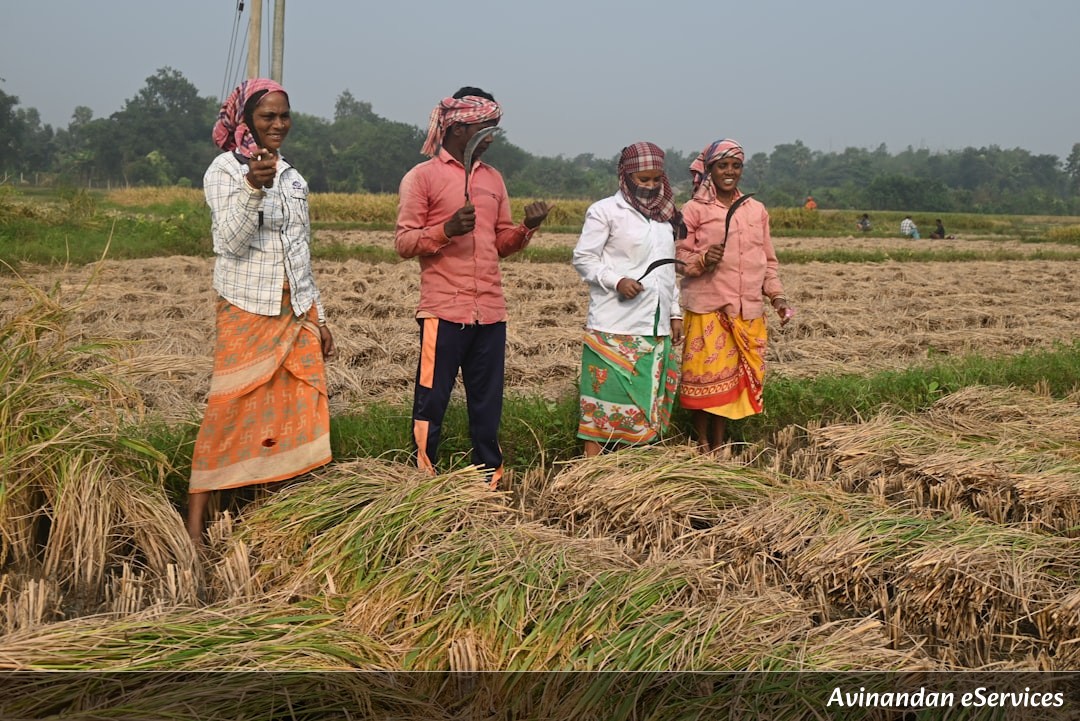
Agriculture is the backbone of the Indian economy and a cornerstone of the General Awareness syllabus for Indian Railway Recruitment Board (RRB) exams, including RRB NTPC, Group D, Technician Grade I, and Grade III. In India, more than 50% of the workforce is engaged in agriculture and allied sectors. For an aspirant, understanding the diversity of Indian crops, the climatic conditions they require, and the geographical distribution of production is essential.
The RRB exams frequently test candidates on their knowledge of cropping seasons (Kharif, Rabi, and Zaid), major food and cash crops, and the various 'Agricultural Revolutions' that shaped modern India. This guide provides an in-depth analysis of these topics, designed to help you score full marks in the Geography and General Awareness sections.
Topic Weightage and Importance
In the General Awareness section of RRB NTPC and Group D, Geography and Economy-related questions usually account for 10-12 questions out of 40 or 50. Specifically, Indian Agriculture carries a weightage of 2 to 3 questions per shift. These questions are often fact-based, focusing on which state leads in the production of a specific crop or identifying a crop based on its sowing and harvesting months. Given the competitive nature of these exams, missing out on these high-yield facts can cost you a place in the merit list.
Key Concepts and Facts
1. Main Cropping Seasons in India
India has three distinct cropping seasons due to its varied climatic conditions:
- Kharif Season: These are 'Monsoon Crops.' Sown in June-July (with the onset of the Southwest monsoon) and harvested in September-October. Example: Rice, Maize, Jowar, Bajra, Tur (Arhar), Moong, Urad, Cotton, Jute, Groundnut, and Soyabean.
- Rabi Season: These are 'Winter Crops.' Sown in October-December and harvested in April-June. Example: Wheat, Barley, Peas, Gram, and Mustard.
- Zaid Season: A short season between the Rabi and Kharif seasons (March to June). Example: Watermelon, Muskmelon, Cucumber, Vegetables, and Fodder crops.
2. Classification of Crops
Crops in India are broadly classified based on their utility:
- Food Crops: Rice, Wheat, Maize, Millets, and Pulses.
- Cash Crops: Sugarcane, Oilseeds, Horticulture crops, Tea, Coffee, Rubber, Cotton, and Jute.
- Plantation Crops: Large-scale farming of a single crop like Tea, Coffee, Rubber, and Coconut.
3. Major Crops and Leading Producers
| Crop | Climate/Soil Type | Leading State (Approx) |
|---|---|---|
| Rice | High Temp (>25°C), High Humidity, Rainfall >100cm | West Bengal |
| Wheat | Cool growing season, Bright sunshine at ripening | Uttar Pradesh |
| Sugarcane | Tropical and Subtropical; Hot and Humid | Uttar Pradesh |
| Cotton | Black Soil, 210 frost-free days, Bright sunshine | Gujarat / Maharashtra |
| Jute | Well-drained fertile soils (Flood plains) | West Bengal |
| Tea | Tropical/Subtropical; Deep and fertile well-drained soil | Assam |
| Coffee | Warm and wet climate; Well-drained loamy soil | Karnataka |
| Rubber | Equatorial crop; Rainfall >200cm | Kerala |
4. Agricultural Revolutions in India
These revolutions represent the transition to modern industrial agriculture:
- Green Revolution: Food grains (specifically Wheat and Rice). Father: M.S. Swaminathan (India), Norman Borlaug (Global).
- White Revolution (Operation Flood): Milk/Dairy products. Father: Verghese Kurien.
- Yellow Revolution: Oilseeds (especially Mustard and Sunflower).
- Blue Revolution: Fish Production.
- Pink Revolution: Prawns, Onion, and Pharmaceuticals.
- Golden Fibre Revolution: Jute Production.
- Silver Fibre Revolution: Cotton Production.
- Red Revolution: Meat and Tomato Production.
- Grey Revolution: Fertilizers.
Solved Examples (Step-by-Step)
Example 1: Which of the following is NOT a Rabi crop?
A) Wheat
B) Mustard
C) Rice
D) Gram
Solution: The correct answer is C) Rice. Rice is a Kharif crop because it requires a high amount of water and heat, typically provided by the monsoon rains starting in June. Wheat, Mustard, and Gram are all sown in the winter (Rabi season).
Example 2: Which state is known as the 'Sugar Bowl of India'?
A) Maharashtra
B) Punjab
C) Uttar Pradesh
D) Tamil Nadu
Solution: The correct answer is C) Uttar Pradesh. UP is the largest producer of sugarcane in India, contributing significantly to the nation's total sugar output.
Example 3: 'Golden Fibre' refers to which crop?
A) Silk
B) Jute
C) Cotton
D) Hemp
Solution: The correct answer is B) Jute. Jute is called the golden fibre because of its shiny golden color and high cost-effectiveness/value in the international market.
Common Mistakes to Avoid
- Confusing Seasons: Students often swap Kharif and Rabi crops. Remember: Wheat is Winter (Rabi).
- Revolutions Mix-up: Don't confuse 'Golden Revolution' (Horticulture/Honey) with 'Golden Fibre Revolution' (Jute). Similarly, 'Silver' (Egg) vs 'Silver Fibre' (Cotton).
- Outdated Data: Production ranks can change slightly year-on-year based on the Economic Survey. While the general leaders (Assam for Tea, Karnataka for Coffee) stay stable, keep an eye on Cotton and Groundnut ranks between Gujarat and Maharashtra.
- Ignoring Soil Types: Forgetting that Cotton needs Black Soil (Regur) and Tea needs Sloping terrain for water drainage.
Practice Questions with Solutions
Q1. Which country is the largest producer of Rice in the world?
Q2. The 'Yellow Revolution' is associated with the production of _______?
Q3. Which type of farming is also known as 'Shifting Cultivation' in Northeast India?
Q4. Which crop requires at least 210 frost-free days for its growth?
Q5. Who is known as the Father of the White Revolution in India?
Q6. Which state is the largest producer of Coffee in India?
Solutions:
- S1. China (India is the second largest).
- S2. Oilseeds.
- S3. Jhum Cultivation.
- S4. Cotton.
- S5. Dr. Verghese Kurien.
- S6. Karnataka.
Frequently Asked Questions (FAQs)
Q1. What is the difference between Intensive and Extensive farming?
Ans: Intensive farming involves high input of labor and capital per unit of land (common in densely populated areas like India), while Extensive farming involves large areas of land with relatively lower inputs per unit area.
Q2. Is Maize a Kharif or Rabi crop?
Ans: Maize is primarily a Kharif crop in India, but in some states like Bihar, it is also grown as a Rabi crop.
Q3. What is the 'Blue Revolution'?
Ans: The Blue Revolution refers to the time of intense growth in the worldwide fishing industry and the promotion of aquaculture.
Conclusion and Final Tips
Mastering the topic of Indian Agriculture and Crops is vital for any RRB aspirant. To excel, focus on the classification of seasons and the specific requirements of major crops. Create a small chart of 'Revolutions' and 'Leading States' and paste it near your study table for daily revision. Agriculture is not just about facts; it is about understanding the geography of our nation. Stay consistent with your preparation, keep practicing previous year questions, and success will surely follow. Best of luck!