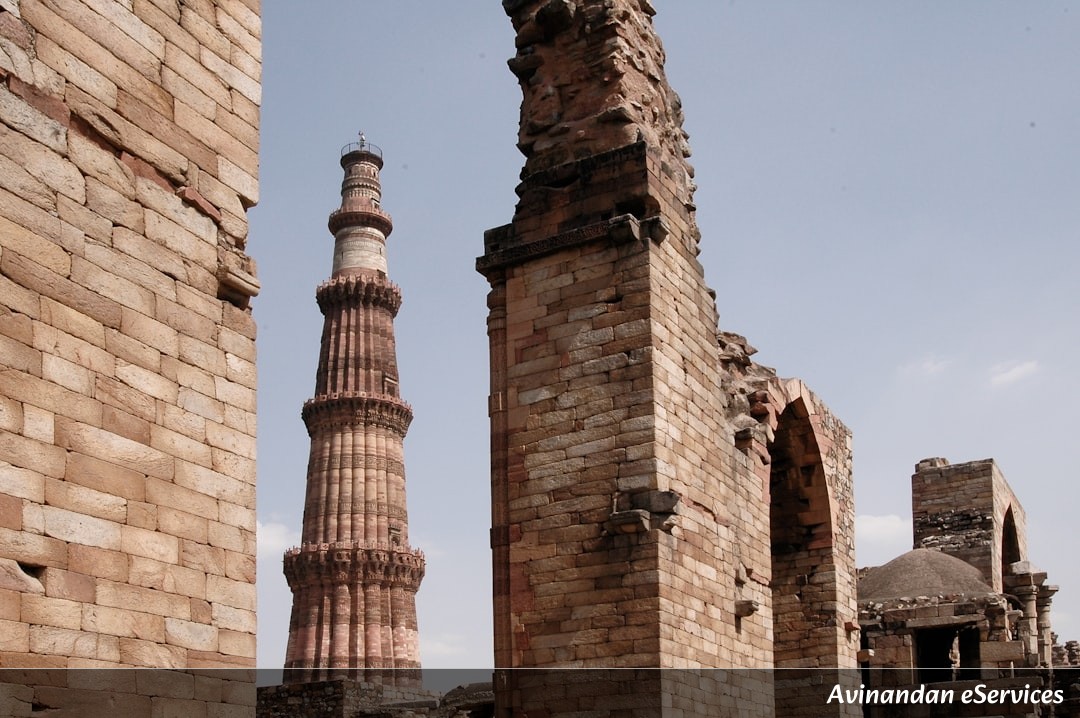
Introduction to the Maurya Empire for RRB Exams
The Maurya Empire (322–185 BCE) marks a turning point in ancient Indian history as it was the first pan-Indian empire that unified the majority of the Indian subcontinent under a single administration. For aspirants of RRB NTPC, Group D, and Technician exams, understanding this period is crucial because it laid the foundation for Indian political thought, administration, and architecture. Founded by Chandragupta Maurya with the guidance of the legendary strategist Chanakya (Kautilya), the empire reached its zenith under Ashoka the Great. This guide provides an in-depth look at the rulers, their administrative systems, social life, and the enduring legacy of the Mauryas.
Topic Weightage and Importance
In the General Awareness section of RRB exams, History holds significant weightage. Specifically, Ancient Indian History contributes about 3-4 questions, and the Maurya Empire is a high-yield topic within that segment. Based on previous years' analysis of RRB NTPC and Group D papers, you can expect 1 to 2 direct questions regarding Ashoka’s edicts, the Arthashastra, or the chronology of the rulers. Scoring well here requires a clear memory of facts and dates, making it an easy area to gain marks if prepared systematically.
Key Concepts and Rulers
To master this topic, we must break down the empire into its primary components: the rulers, the administration, and the socio-cultural contributions.
1. Chandragupta Maurya (322–298 BCE)
Chandragupta was the founder of the dynasty. With the help of Chanakya, he overthrew Dhanananda, the last ruler of the Nanda Dynasty. Key facts for RRB:
- Liberator of India: He freed North-Western India from the Greek governors left by Alexander the Great.
- Conflict with Seleucus: He defeated Seleucus Nicator (Alexander's general) in 305 BCE. A treaty was signed where Seleucus gave Arachosia (Kandahar), Gedrosia (Baluchistan), and Paropamisadae (Kabul) to Chandragupta in exchange for 500 elephants.
- Megasthenes: Seleucus sent an ambassador named Megasthenes to the Mauryan court, who wrote the famous book 'Indica'.
- Religion: In his later years, he embraced Jainism under the influence of Bhadrabahu and performed 'Santhara' (starvation unto death) at Shravanabelagola, Karnataka.
2. Bindusara (298–273 BCE)
Known as 'Amitraghata' (Slayer of Foes) by the Greeks, Bindusara expanded the empire further south. He maintained friendly relations with the Hellenic world, specifically with Antiochus I of Syria and Ptolemy Philadelphus of Egypt.
3. Ashoka the Great (273–232 BCE)
Ashoka is perhaps the most significant figure for exam purposes. His reign is defined by a shift from Bherighosha (war drum) to Dhammaghosha (sound of peace).
- Kalinga War (261 BCE): The massive bloodshed in this war (documented in Major Rock Edict XIII) led to his conversion to Buddhism under the influence of the monk Upagupta.
- Dhamma: Ashoka propagated 'Dhamma'—a code of conduct based on ethical living, non-violence, and social responsibility.
- Edicts: Ashokan edicts were written primarily in Prakrit (using Brahmi and Kharosthi scripts) and were the first tangible evidence of Buddhism's spread.
- Third Buddhist Council: Held at Pataliputra under his patronage, presided over by Moggaliputta Tissa.
4. Mauryan Administration
The Mauryan state was a highly centralized monarchy. Chanakya’s 'Arthashastra' describes the Saptanga Theory (seven limbs of the state): Swamin (King), Amatya (Bureaucrats), Janapada (Territory), Durga (Fort), Kosha (Treasury), Danda (Army), and Mitra (Ally).
| Administrative Term | Meaning/Function |
|---|---|
| Samaharta | Chief collector of revenue | Sannidhata | Treasurer | Adhyakshas | Superintendents of various departments | Dharmasthiya | Civil Courts | Kantakashodhana | Criminal Courts |
Solved Examples (Step-by-Step)
Example 1: Which Mauryan ruler is associated with the Junagarh Rock Inscription?
Solution: Chandragupta Maurya. Although the inscription was later issued by Rudradaman, it mentions the construction of the Sudarshana Lake by Pushyagupta, the provincial governor of Chandragupta Maurya. This proves Mauryan control over the Saurashtra region.
Example 2: In which script were the majority of Ashoka's inscriptions written in the Indian subcontinent?
Solution: The Brahmi script. While Kharosthi was used in the North-West (Mansehra and Shahbazgarhi), and Greek/Aramaic in Afghanistan, Brahmi was the standard script for the rest of India.
Example 3: Match the following Ashokan Edicts with their content:
1. Major Rock Edict XIII | A. Prohibition of animal sacrifice
2. Major Rock Edict I | B. Description of Kalinga War
Solution: 1-B, 2-A. Major Rock Edict XIII is the most famous as it details the Kalinga victory and Ashoka's subsequent remorse.
Common Mistakes to Avoid
- Confusing Scripts: Students often confuse Brahmi and Kharosthi. Remember: Brahmi is written left to right (like modern Hindi), while Kharosthi is written right to left.
- Mixing Megasthenes and Fa-Hien: Megasthenes visited the Mauryas, whereas Fa-Hien visited during the Gupta period. Don't mix 'Indica' (Maurya) with 'Fo-Kwo-Ki' (Gupta).
- Founder Confusion: Do not confuse the Maurya Empire (founded by Chandragupta Maurya) with the Gupta Empire (founded by Sri Gupta).
- Chronology: Ensure you remember the order: Chandragupta -> Bindusara -> Ashoka -> ... -> Brihadratha (the last ruler).
Practice Questions with Solutions
Q1. Who was the last ruler of the Maurya Dynasty, assassinated by Pushyamitra Shunga?
Q2. The book 'Arthashastra' focuses primarily on which subject?
Q3. Which Greek ruler sent Deimachus as an ambassador to the court of Bindusara?
Q4. The Lion Capital at Sarnath belongs to which Mauryan King?
Q5. What was the name of the Mauryan currency mentioned in the Arthashastra?
Q6. Who discovered and deciphered the Brahmi script of Ashokan edicts for the first time in 1837?
Solutions:
- A1. Brihadratha.
- A2. Statecraft, Economic Policy, and Military Strategy.
- A3. Antiochus I (of Syria).
- A4. Ashoka.
- A5. Pana (Silver coins).
- A6. James Prinsep.
Frequently Asked Questions (FAQs)
Q1: Was Ashoka a Buddhist since birth?
Ans: No. Ashoka was likely a follower of Brahmanical religion or Shaivism before converting to Buddhism after the Kalinga War in the 8th year of his coronation.
Q2: What is the significance of the Ashoka Chakra?
Ans: The 24-spoked wheel represents the 'Wheel of Dharma' (Dharmachakra). It was adopted in the center of the National Flag of India in 1947.
Q3: Why did the Maurya Empire decline?
Ans: Major reasons include weak successors after Ashoka, financial crisis due to the maintenance of a huge army and bureaucracy, and the coup by Pushyamitra Shunga.
Conclusion and Final Tips
The Maurya Empire is a cornerstone of Indian history and a vital topic for RRB NTPC & Group D aspirants. To score high, focus on Ashoka’s Edicts, the administrative terms, and the literary sources like Indica and Arthashastra. Use mnemonics to remember the chronology and locations of major edicts. Regular revision of these factual points will ensure you don't lose easy marks in the General Awareness section. Keep practicing, stay consistent, and victory will be yours in the upcoming Railway exams!