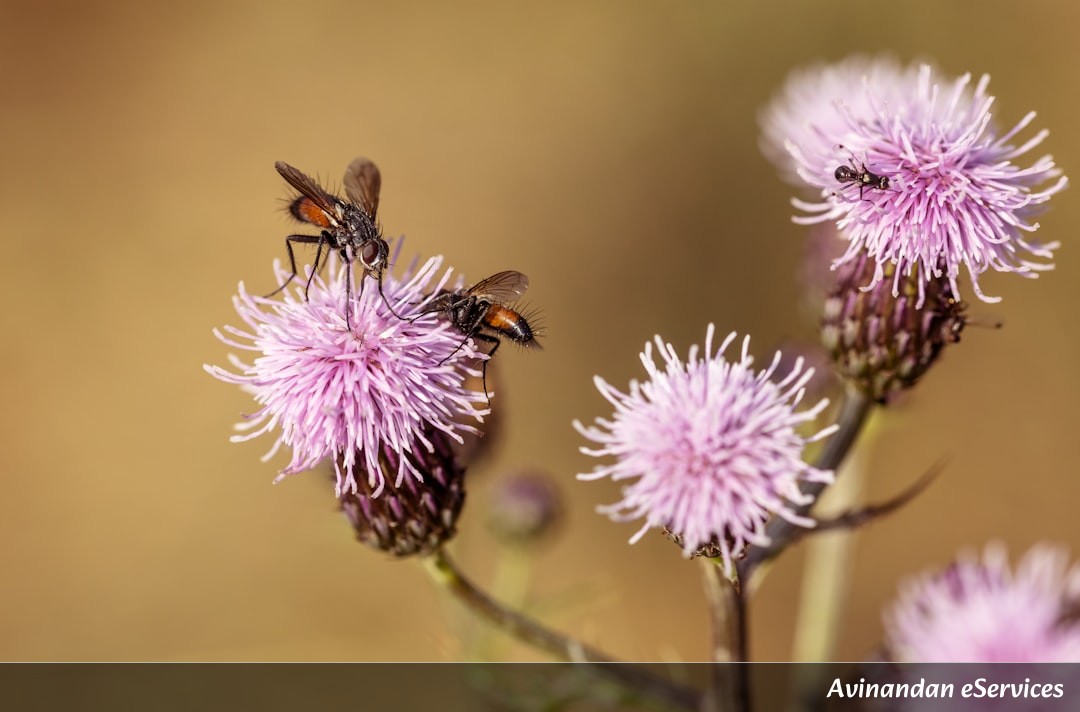
Arjun: Saanvi, check out this bumblebee! It’s been hovering around that big hibiscus for a minute, but it just flew away without even touching the petals. Do bees just get picky sometimes? Or maybe that flower is having a bad hair day?
Saanvi: Haha, it’s definitely not a bad hair day, Arjun! Actually, that bee might have just received a secret message. Believe it or not, that flower was probably 'telling' the bee that its nectar shop is closed for the moment.
Arjun: Telling it? Flowers don’t have voices, Saanvi. And I didn’t see any 'Out of Office' signs hanging off the stem.
Saanvi: You’re right, they don’t use words or signs. They use electricity! It’s a scientific discovery that really shocked the world—no pun intended. Flowers produce their own tiny electric fields, and bees can actually feel them.
Arjun: Wait, back up. Electricity? Like the stuff that powers my iPad? Is the garden secretly a giant battery?
Saanvi: Not exactly like a battery, but more like static electricity. You know how when you rub a balloon on your hair, it stands up and sticks to things? That’s because of a difference in electric charge. The same thing happens in nature between bees and flowers.
Arjun: Okay, I’m listening. How does a flower get 'charged up'? Do they plug themselves into the soil?
Saanvi: Not quite! Flowers are naturally grounded, meaning they are connected to the Earth. Because of how the atmosphere works, the Earth has a negative electric charge. Since flowers are connected to the ground, they also have a negative charge. It’s very faint, but it’s definitely there.
Arjun: And what about the bees? Do they have a charge too?
Saanvi: This is the cool part. As bees fly through the air, they bump into all sorts of tiny particles like dust and air molecules. This friction strips electrons away from the bee, giving it a positive electric charge. So, you have a positively charged bee flying toward a negatively charged flower.
Arjun: Oh! It’s like magnets! Opposites attract, right?
Saanvi: Exactly! When a positively charged bee gets close to a flower, an electric field is created between them. Scientists at the University of Bristol discovered that this field is strong enough for the bee to sense. But it’s not just about attraction; it’s about communication.
Arjun: So the flower says 'Hey, I’m over here!' using electricity? But bees can already see colors and smell the perfume of the flower. Why do they need an electric telegraph?
Saanvi: Think of it as a multi-layered advertisement. Color and smell are like the big billboard you see from the highway. But electricity is like a live status update. When a bee lands on a flower to drink nectar, it transfers some of its positive charge to the flower. This actually changes the flower’s electric field for a short period of time.
Arjun: Wow, so the next bee flying by feels a different 'vibe' from that flower? Like a sign that says 'Just Sold Out'?
Saanvi: Spot on! Changing the electric field tells the next bee, 'Hey, a friend was just here and drank all the nectar. Don’t waste your energy landing; wait for me to refill!' It’s incredibly efficient because it helps the bees find food faster and helps the flowers get pollinated by fresh visitors.
Arjun: That is mind-blowing. But how does the bee actually 'feel' the electricity? They don't have fingers to get a little shock.
Saanvi: They use their hair! Bees are very fuzzy, right? Those tiny hairs on their bodies are \textremely sensitive. When a bee gets near a flower’s electric field, the force of the electricity makes those hairs move or stand up—just like your hair does with that balloon we talked about. The bee has special sensors at the base of the hairs that tell its brain, 'Hey, the field feels different here!'
Arjun: So they literally feel the air tingle when they get close to a flower. I wonder if the flowers use electricity for anything else? Can they change their field on purpose to look 'prettier' to a bee?
Saanvi: Scientists are actually looking into that! They’ve found that different flower shapes create different patterns in the electric field. It’s like the flower has its own unique electric 'pattern' that bees can learn to recognize, just like they recognize the shape of the petals.
Arjun: Science is so much weirder than I thought. I’ll never look at a bee in a garden the same way again. It’s like they’re flying through an invisible web of messages.
Saanvi: It really is! It shows that nature has all these hidden layers we are only just beginning to understand. Even something as simple as a bee landing on a flower is a high-tech exchange of information.
So, What Did We Learn Today?
- The Charge: Flowers have a natural negative electric charge because they are grounded, while bees build up a positive charge through friction while flying.
- The Signal: When a bee gets close, the difference in charges creates an electric field that acts as a silent signal.
- The Update: When a bee lands, it changes the flower's charge. This tells other bees that the nectar has recently been taken.
- The Hair Antenna: Bees sense these tiny electric changes using the sensitive, fuzzy hairs on their bodies, which move in response to the field.
- Efficiency: This 'electric talk' helps bees save energy by avoiding empty flowers and helps flowers get pollinated more effectively.
Arjun: I guess you could say that nature is... totally electric! Thanks for the spark of knowledge, Saanvi!