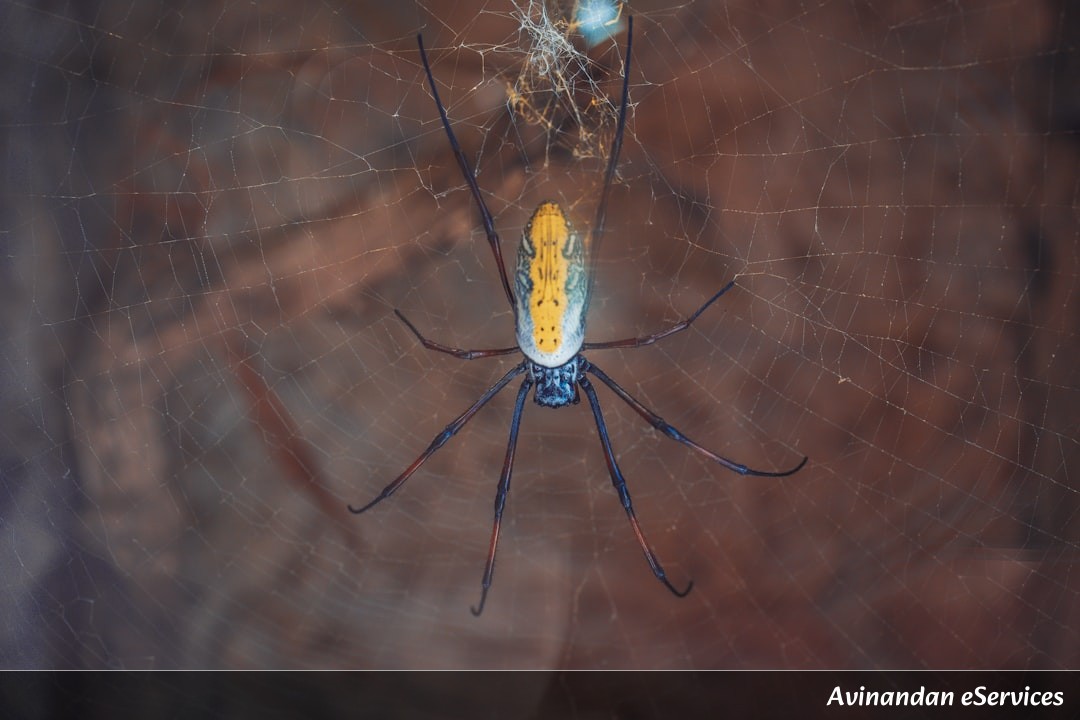
Samir: Priya, you won’t believe what I saw at the pond today. I was looking for tadpoles, and I saw a spider dive straight under the water! I thought it was going to drown, but it just... stayed there. It looked like it was wearing a shiny silver suit!
Priya: That is amazing, Samir! You didn’t see a spider in trouble; you saw one of the coolest engineers in the animal kingdom. That was most likely the Diving Bell Spider, or Argyroneta aquatica. It is the only spider in the entire world that spends almost its whole life underwater.
Samir: But wait, spiders are arachnids, right? They have lungs—well, book lungs—and they need to breathe air. How can it stay underwater without a snorkel?
Priya: You’re right about the breathing part. They can’t breathe water like a fish. Instead, they take the air with them! That 'silver suit' you saw was actually a layer of air trapped against its body. The Diving Bell Spider has thousands of tiny, water-repellent hairs all over its abdomen and legs. When it pokes its bottom out of the water, it grabs a bubble of air and drags it down.
Samir: So it’s like a tiny scuba diver carrying an oxygen tank? That’s so cool! But how does it stay down there for so long? Scuba tanks run out eventually.
Priya: That’s the most fascinating part. It doesn’t just carry a bubble; it builds a house for it. First, the spider weaves a flat web between some underwater plants. Then, it goes to the surface, grabs a bubble between its hind legs and belly, and swims down to release it under the web. It does this over and over until the web swells upward into a bell shape, filled with air.
Samir: Oh, I get it! It’s like an underwater tent filled with air. But Priya, even in a tent, wouldn’t the air eventually get 'stuffy'? I mean, if the spider stays there, it’s using up all the oxygen and breathing out carbon dioxide.
Priya: You’re thinking like a real scientist, Samir! This is where the real magic of physics happens. This bubble isn’t just a storage tank; it’s what scientists call a 'physical gill.' Because of the way gas behaves, the oxygen dissolved in the surrounding pond water actually moves *into* the bubble as the oxygen levels inside the bubble drop. At the same time, the carbon dioxide the spider breathes out dissolves into the water.
Samir: Wait, are you saying the bubble breathes for the spider? Like it’s filtering the water for oxygen?
Priya: Exactly! As long as there is enough oxygen in the pond water, the bubble will keep drawing it in. Scientists have found that these spiders can sometimes stay underwater for more than 24 hours without ever having to go back to the surface for a 'refill.'
Samir: That is unbelievable! If it can stay down there that long, why does it ever come up? Is it just to stretch its legs?
Priya: Usually, they only need to come up when the bubble starts to shrink. You see, while oxygen comes in, nitrogen from the original air bubble slowly leaks out into the water. Eventually, the bubble gets too small to hold the web up, and the spider has to bring down a fresh supply from the surface.
Samir: I wonder why a spider would want to live underwater anyway. Most spiders seem pretty happy in the garden or... unfortunately... in my bedroom.
Priya: Think about the advantages! By living underwater, the Diving Bell Spider can hide from birds and other land predators. Plus, it has access to a whole menu of delicious treats that other spiders can't reach, like water mites, mosquito larvae, and even tiny fish or tadpoles!
Samir: So it’s an underwater assassin hiding in a bubble. That sounds like a movie! Does it do everything in that bubble?
Priya: Pretty much! They eat there, they sleep there, and they even lay their eggs there. They actually build a separate 'nursery' bell for the babies. When the spiderlings hatch, they stay in their own tiny air bubbles until they are ready to swim off and build their own bells.
Samir: I’m never going to look at a pond the same way again. I’ll be looking for those little silver bubbles everywhere. It’s like they found a way to break the rules of nature.
Priya: Nature doesn't really have rules, Samir—only clever solutions! The Diving Bell Spider is a perfect example of how animals adapt to survive in places you’d never expect them to be.
So, What Did We Learn Today?
- The Diving Bell Spider is the only spider species known to live almost entirely underwater.
- Air Trapping: It uses special water-repellent hairs on its body to trap a layer of air, which looks like a silver coat.
- The Silk Bell: It builds an underwater silk web and fills it with air bubbles from the surface to create a home.
- The Physical Gill: The bubble actually pulls oxygen from the surrounding water and pushes out carbon dioxide, allowing the spider to stay submerged for a long time.
- Survival: Living underwater helps the spider avoid land-based predators and hunt aquatic prey.
Samir: That was so cool, Priya! Next time I see a bubble in the water, I’ll know there might be a tiny, eight-legged scuba diver living inside!