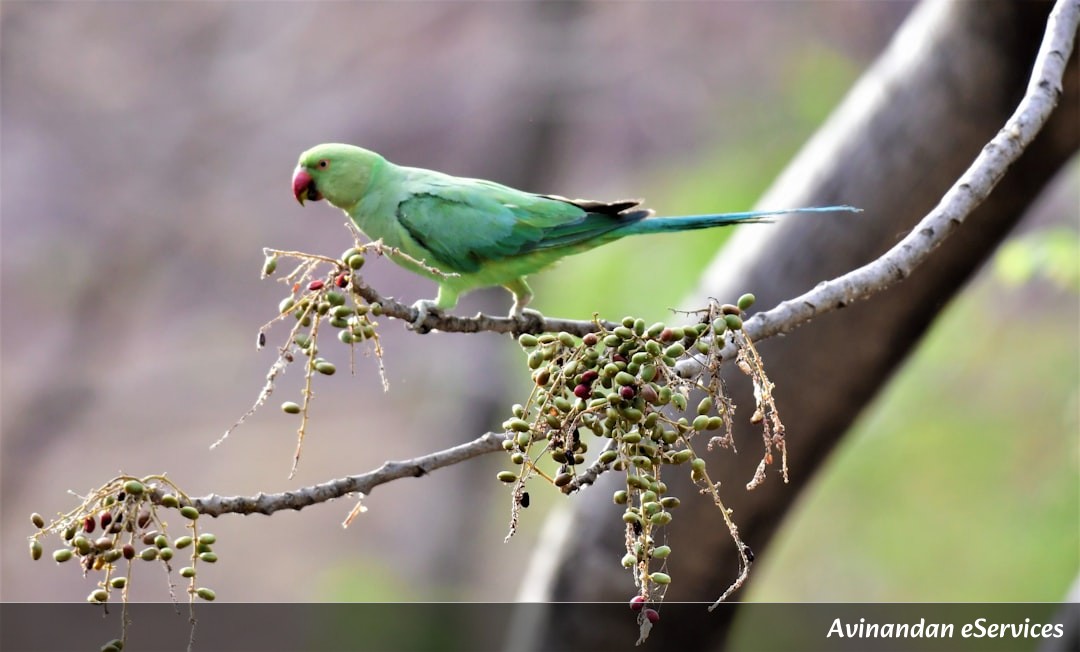
Aarav: Saanvi, come look at this! There is a little yellow canary in the garden, and it hasn't stopped singing for twenty minutes. It’s like it has a whole playlist of different songs! How does such a tiny bird remember so many complicated tunes?
Saanvi: It is pretty amazing, isn't it? But Aarav, what if I told you that the bird doesn't actually 'remember' all those songs from last year? In fact, it might be using a brand-new part of its brain that it just grew a few weeks ago.
Aarav: Wait, what? Grew a new part of its brain? You’re joking, right? You can't just sprout \textra brain bits like a potato grows sprouts!
Saanvi: I’m totally serious! For a long time, scientists thought that animals—including humans—were born with all the brain cells they’d ever have. They thought that once you grew up, your brain was 'fixed,' and if cells died, they were gone forever. But then, researchers started looking at songbirds like canaries and sparrows.
Aarav: And what did they find? Do they have a spare brain in their backpack?
Saanvi: Not quite! They discovered something called neurogenesis. In certain songbirds, every spring when the days get longer and the weather gets warmer, their brains actually produce thousands of brand-new neurons, which are brain cells. These new cells migrate to a specific part of the brain called the HVC, or the High Vocal Center.
Aarav: The High Vocal Center? That sounds like a fancy recording studio for birds.
Saanvi: It basically is! The HVC is the part of the brain that controls how birds learn and sing complex songs. In the spring, when it's time to find a mate, the male birds need to impress the females with the most beautiful, complex songs possible. To do that, their HVC can actually double in size!
Aarav: Doubling in size? If my brain doubled in size every time I had to study for a music exam, my hat wouldn't fit anymore! Doesn't the bird's head get heavy?
Saanvi: Haha, no, their skulls stay the same size. The brain tissue just gets denser and more packed with neurons. But here is the even weirder part, Aarav: when the breeding season ends and autumn comes around, they don’t need those songs as much anymore. So, the \textra brain cells actually die off, and that part of the brain shrinks back down.
Aarav: So, they literally recycle their brain every year? That’s like deleting old apps on a phone to make room for new ones, but with actual living cells!
Saanvi: That’s a great way to put it. Scientists believe birds do this because keeping a big, active brain requires a huge amount of energy. By shrinking their brain in the winter, they save energy and stay lighter, which makes it easier to fly and survive when food is scarce.
Aarav: That is mind-blowing. Who figured this out? I bet everyone thought they were crazy at first.
Saanvi: You’re right! A scientist named Fernando Nottebohm discovered this in the 1970s. At the time, the scientific community was shocked. They didn't believe that a vertebrate—an animal with a backbone—could grow new brain cells as an adult. His work changed everything we know about how brains work.
Aarav: But Saanvi, why does this matter to us? I mean, I’m not a canary, and I’m definitely not planning on singing to attract a mate in the garden.
Saanvi: Well, if we can understand how a bird’s brain manages to grow new cells and repair itself so easily, we might be able to figure out how to help human brains do the same thing! Imagine if we could regrow brain cells for people who have had accidents or diseases like Alzheimer’s. The little canary in our garden is actually holding the secret to brain repair.
Aarav: Wow. So that little bird isn't just a singer; it's like a tiny, flying laboratory. I’ll never look at a bird the same way again. I wonder if they forget their 'old' songs when the brain shrinks?
Saanvi: Some do! Some birds learn a completely new set of songs every single year. They are the ultimate artists, always reinventing themselves.
Aarav: I wish I could 'delete' my memory of broccoli and replace it with more space for video game tricks.
Saanvi: Nice try, Aarav! But for now, you’re stuck with the brain you’ve got. Though, even in humans, we now know that exercise and learning new things can help keep our brains healthy and growing in smaller ways, too!
So, What Did We Learn Today?
- Neurogenesis: This is the process where the brain creates brand-new neurons (brain cells).
- Seasonal Growth: Songbirds like canaries grow new brain cells in the spring to learn complex songs for mating season.
- The HVC: The High Vocal Center is the specific area of a bird's brain that grows and shrinks depending on the time of year.
- Energy Efficiency: Birds' brains shrink in the winter to save energy and reduce body weight, making survival easier.
- Medical Potential: Studying how birds regrow brain cells could one day help scientists find ways to treat brain injuries and diseases in humans.
Aarav: Science is so cool! It turns out that 'bird-brained' shouldn't be an insult—it should be a compliment for having a self-repairing, high-tech brain!