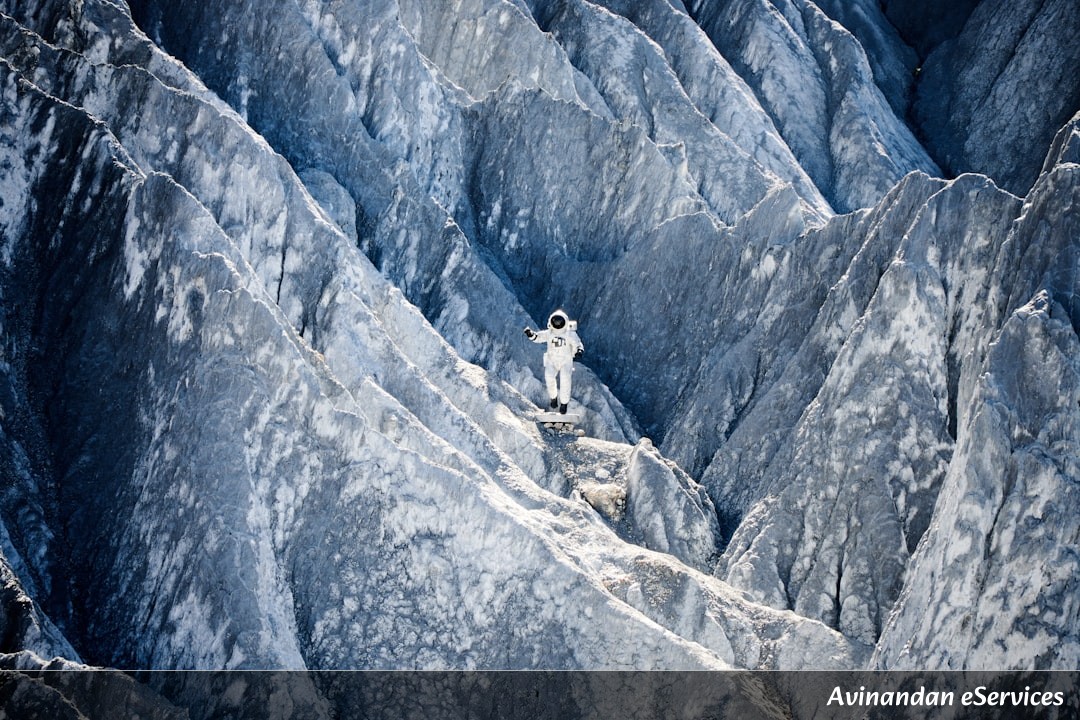
Rohan: Ananya, you won't believe what happened on our school trip to the mountain caves! I felt this weird, chilly breeze coming right out of a crack in the rock, even though it was super hot outside. It felt like the mountain was actually breathing! Is that even possible?
Ananya: That is an amazing observation, Rohan! You just stumbled upon a real phenomenon called a 'cold-air trap' or a 'breathing cave.' The mountains aren't alive in the way we are, but they definitely behave as if they are lungs!
Rohan: Whoa, how does that work? It felt like the mountain had its own air conditioning system buried deep inside.
Ananya: Exactly! It’s all about physics and air density. Cold air is heavier and denser than warm air. When the air outside is hot, the dense, cold air trapped deep inside the mountain’s labyrinth of caves stays put. But, if the outside temperature drops, the cold air inside the mountain starts to flow out because it's still heavier than the surrounding air. It’s like a giant, natural convection current!
Rohan: So the mountain acts like a giant storage tank for cold air? That’s wild! Does this happen everywhere, or just in specific places?
Ananya: It needs a specific geography, usually mountains with complex cave systems and lots of rocky debris at the base, which we call 'talus slopes.' These slopes act like vents. The air enters through the top, gets chilled as it moves deep underground, and then sinks through the rock piles to emerge at the bottom. Some of these caves are so effective that they actually form ice inside, even in the middle of a scorching Indian summer!
Rohan: Wait, so if I went into one of those caves, I’d see ice? That sounds like a magical secret world. Is it important for the environment, or just a cool party trick for geology lovers?
Ananya: It is actually vital! These 'ice caves' create micro-climates. Tiny plants, mosses, and even insects that usually only live in much colder, northern regions can survive in these pockets because the mountain 'breathes' cold air for them. It’s like a sanctuary for life in a warming world.
So, What Did We Learn Today?
Ananya: Let's recap what we discovered about our 'breathing' mountains:
- Density matters: Cold air is heavier than warm air, which causes it to sink and flow out of cave entrances.
- Natural Vents: Rocky slopes and cave systems act like giant chimneys that circulate air based on temperature differences.
- Micro-climates: These breathing caves protect rare plants and animals by creating cold pockets that defy the outside temperature.
- Geological Wonders: Sometimes these caves stay so cold that they create natural ice formations deep underground.
Rohan: I’m definitely going to pay more attention to the rocks next time we go hiking. Nature is way smarter than it looks!