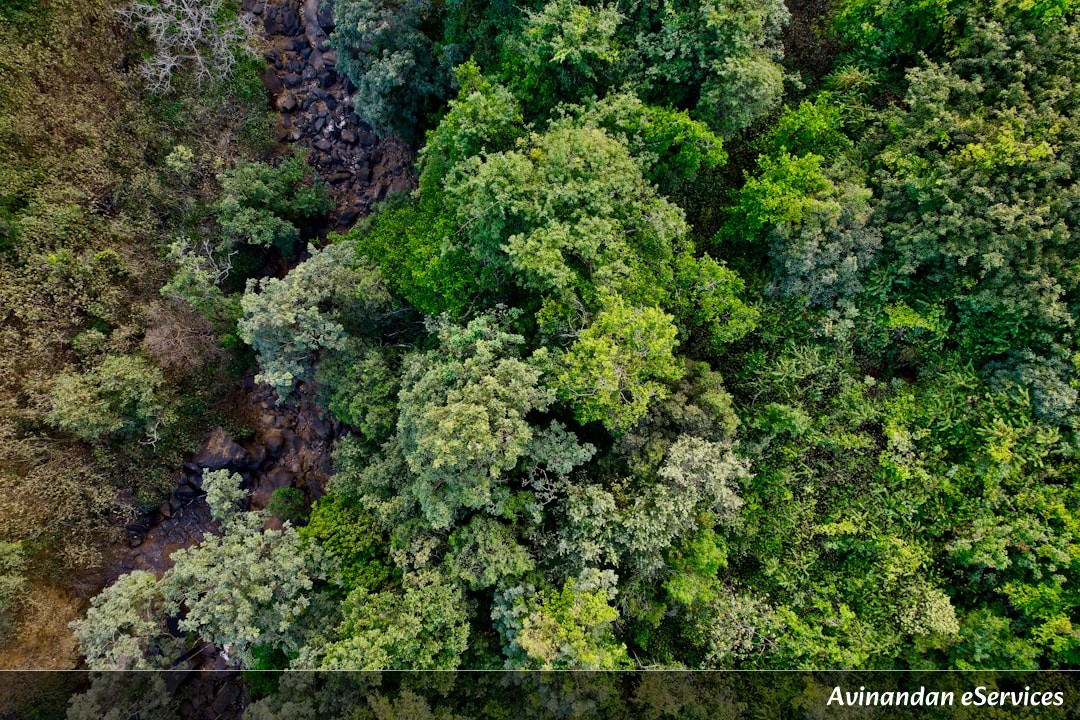
Kabir: Isha, look at this picture in my science magazine! It says there is a forest in the United States called 'Pando' that is actually just one single tree. That makes no sense at all. I can clearly see thousands of individual trees in the photo!
Isha: I know it looks impossible, Kabir, but that’s the magic of biology! Pando is what scientists call a 'clonal colony.' To your eyes, it looks like a massive forest of 47,000 quaking aspen trees, but beneath the soil, they are all physically connected to a single, humongous root system. They aren't separate individuals; they are all parts of the same living thing!
Kabir: Whoa, wait. So, if I touch one tree on the north side of the forest and you touch one on the south side, are we technically touching the same organism?
Isha: Exactly! Think of it like a giant hand buried under the sand with thousands of fingers poking up through the surface. Each 'finger' looks like a separate tree—which scientists call a 'ramet'—but they all belong to the same 'hand' or root system, called the 'genet.' If you tested the DNA of every single one of those 47,000 trees, they would all be identical. They are perfect clones of one another.
Kabir: That is unbelievable! How does a tree even start doing that? Usually, trees grow from seeds, right? My mango tree grew from a pit.
Isha: You're right, Kabir. Most trees do grow from seeds. But some trees, like the quaking aspen, have a secret superpower. Instead of just waiting for a seed to sprout, the root system sends out underground runners. These runners grow horizontally through the soil, and every so often, they send up a new shoot that grows into a trunk. Over thousands of years, this process repeats until you have a forest that covers over 100 acres!
Kabir: 100 acres? That’s like 80 football fields! It must be incredibly heavy. Is it the heaviest thing on Earth?
Isha: It’s definitely one of the heaviest living organisms ever discovered! Scientists estimate Pando weighs about 6,000 metric tons. That’s heavier than 40 blue whales or 1,000 African elephants. And because the root system is so protected underground, it is also incredibly old. While an individual trunk might only live for 100 or 150 years, the root system itself is estimated to be around 80,000 years old!
Kabir: 80,000 years? Isha, that means Pando was alive when humans were still living in caves and mammoths were walking around! How has it survived for so long without being destroyed by fire or disease?
Isha: That’s the beauty of being a clonal colony. If a forest fire sweeps through, it might burn down all the trunks above ground. For a normal tree, that’s the end. But for Pando, the heart of the organism—the root system—is safely tucked away deep in the cool soil. Once the fire passes, the roots just send up new shoots. It’s like a biological backup system!
Kabir: That’s like a real-life superhero power. But wait, we have something similar here in India, don’t we? I remember visiting a massive tree in West Bengal that looked like a whole forest.
Isha: Great observation, Kabir! You’re thinking of the 'Great Banyan Tree' in the Acharya Jagadish Chandra Bose Indian Botanic Garden near Kolkata. While it’s a different species than the aspen, it uses a similar trick. Banyan trees grow 'aerial roots' from their branches. These roots hang down, touch the ground, and eventually thicken into new trunks.
Kabir: Yes! When I was there, I couldn't even find the main trunk. It just looked like a maze of hundreds of poles holding up a giant green roof.
Isha: That’s because the original main trunk actually got sick and had to be removed in the 1920s! But the tree didn't die because it had already created over 3,000 'prop roots' that act like new trunks. Today, that single Banyan tree occupies nearly five acres of land. It’s basically a one-tree forest, just like Pando, but it grows from the top down instead of the bottom up.
Kabir: It’s amazing how nature finds ways to live forever. But if Pando is so old and strong, is it ever in danger?
Isha: Sadly, yes. Scientists are worried because Pando isn't growing many 'baby' trunks lately. Over-grazing by deer and elk is a big problem—they eat the tender new shoots before they can grow into tough trees. It shows us that even an 80,000-year-old giant needs a healthy ecosystem to survive.
Kabir: Wow. So, a forest isn't always a group of neighbors living together; sometimes, it’s just one very big, very old family member spread out across the mountainside. I’ll never look at a group of trees the same way again!
So, What Did We Learn Today?
- Clonal Colonies: Some forests, like Pando in Utah, are actually a single organism where every tree shares the same DNA and a massive underground root system.
- The Power of Roots: This shared root system allows the organism to survive for thousands of years, even if the trees above ground are destroyed by fire.
- Incredible Records: Pando is one of the oldest (80,000 years) and heaviest (6,000 tons) living things on our planet.
- Indian Context: The Great Banyan Tree in Kolkata is another example of a "one-tree forest," using aerial prop roots to spread across five acres.
- Conservation: Even giant organisms are part of a delicate balance and need protection from over-grazing to keep growing new shoots.
Kabir: Science is so cool! It turns out that sometimes, what looks like a crowd is actually just one very successful individual! I think I'll go check the trees in our park now... just in case they're all secretly holding hands underground!