Vikram: Saanvi, you have to look at this video I found! I was browsing through some nature clips, and I saw something that looks like it’s straight out of a superhero movie. A snake—a real, live snake—literally jumped off a high branch and sailed through the air to another tree! Is this some kind of clever CGI trickery, or are there actually flying snakes in the world?
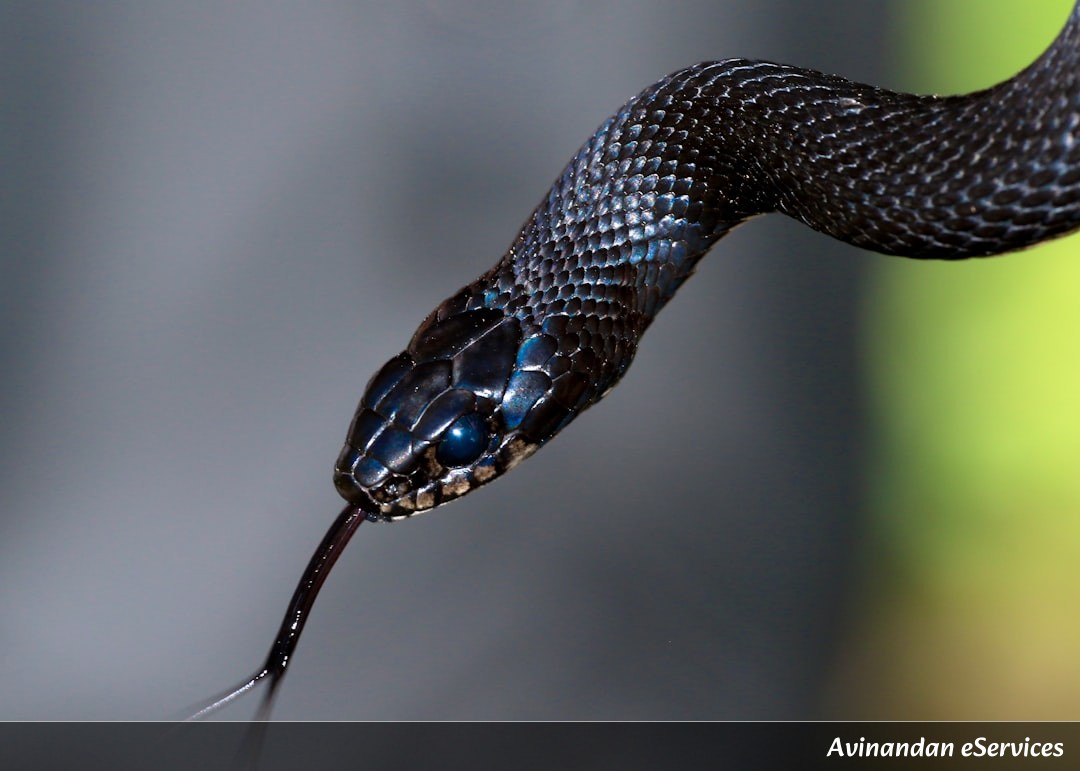
Saanvi: Oh, I know exactly what you’re looking at, Vikram! Those are the Chrysopelea, more commonly known as the Paradise Tree Snake. And no, it’s definitely not CGI. They really do travel through the air, though scientists prefer to use the word ‘gliding’ rather than ‘flying.’ It is one of the most fascinating examples of aerodynamics in the animal kingdom!
Vikram: Gliding? But Saanvi, look at it! It doesn’t have wings. It doesn’t have a cape. It doesn’t even have those flaps of skin like a flying squirrel. It’s just a long, thin tube! How can a tube stay in the air without just falling like a wet noodle?
Saanvi: That’s the genius of it, Vikram. You’re right that they don't have wings, but what they do is actually more impressive. Before they jump, they move to the end of a branch and hang in a sort of ‘J’ shape. Then, they propel themselves upward and outward. But the real magic happens once they are mid-air. They actually change the shape of their entire body!
Vikram: Change their shape? You mean like a shapeshifter? How does a snake change its body shape?
Saanvi: Well, not quite like a movie monster, but they are very flexible. Once they are in the air, they pull their ribs forward and upward. This flattens their body out. If you were to look at a cross-section of the snake while it’s on the ground, it’s circular. But while it’s gliding, it becomes flat and slightly concave on the bottom—almost like a ‘C’ shape or a frisbee.
Vikram: Wait, so they turn their whole body into one long wing? That is incredible! But even a wing needs to be stable. When I throw a paper airplane, if I don't balance it right, it just nose-dives. Why doesn't the snake just tumble head-over-tail?
Saanvi: That is exactly what scientists at Virginia Tech were wondering! They used high-speed cameras to study these snakes. They found that the snake doesn't just stay still while it glides. It continues to do that classic ‘S-shaped’ slithering motion—the same way it moves on the ground or in the water. This movement is called undulation.
Vikram: So it’s ‘swimming’ through the air? Does that actually help it stay up?
Saanvi: Precisely! By slithering in the air, the snake creates stability. The undulation prevents it from rolling over or pitching up and down too much. It’s like a complex balancing act. Because they are constantly moving, they can actually steer! They can turn in mid-air to avoid branches or to target a specific landing spot. Some of them can glide for over 100 meters!
Vikram: 100 meters?! That’s the length of a whole football field! I can’t believe a creature with no limbs can navigate better than some birds. But why do they do it? Is it just to look cool, or is there a reason they risk jumping from such high trees?
Saanvi: In the dense jungles of Southeast Asia where they live, moving from tree to tree on the ground is dangerous and slow. There are predators everywhere. By gliding, they can travel much faster, escape hungry birds or larger animals, and even hunt their own prey like lizards and frogs more efficiently. It’s all about survival and energy saving.
Vikram: Wow. It’s amazing how nature finds a way to break the rules. You’d think gravity would be a snake's biggest enemy, but they’ve turned it into a transportation system. Does this mean we might see snake-inspired flying machines one day?
Saanvi: Actually, yes! Engineers are studying the Chrysopelea to design search-and-rescue robots. Imagine a robot that can slither through narrow gaps like a snake, but then ‘glide’ across a canyon or down from a tall building to reach people in trouble. By mimicking the snake's ability to change its body shape and undulate for stability, we can make robots that are much more versatile than traditional drones.
Vikram: That is so cool! I’m never going to look at a snake the same way again. They aren't just ground-dwellers; they are masters of the sky too.
So, What Did We Learn Today?
- Saanvi: We learned that the Paradise Tree Snake can glide through the air without wings by flattening its ribcage into a 'C' shape.
- Vikram: I learned that this shape turns their whole body into a wing, creating lift just like an airplane!
- Saanvi: We also discovered that they use an 'S-shaped' slithering motion, called undulation, to stay stable and steer while they are in the air.
- Vikram: And the best part is that they can glide for up to 100 meters to escape predators or find food faster!
- Saanvi: Finally, scientists are using this 'bio-mimicry' to design better robots for the future.
Vikram: Science is definitely weirder and cooler than I thought. I wonder if I can make a paper airplane that slithers? I’ll have to try that next!