Rohan: Saanvi, guess what I saw last night? A tiny light blinking in our garden! It looked like a mini star that had fallen down.
Saanvi: That sounds magical, Rohan! Was it a firefly?
Rohan: I think so! But how can something so small make its own light? It’s not like they have tiny flashlights inside them, right?
Saanvi: You’re right, they don’t have flashlights! Fireflies make their own light using a special process called bioluminescence. It’s like a tiny, natural chemical reaction happening inside their bodies.
Rohan: Bioluminescence? That’s a big word! What kind of chemicals are they?
Saanvi: Well, it’s not just one chemical, but a few. The main ingredients are a substance called luciferin, an enzyme called luciferase, and oxygen. When these three meet in the firefly’s abdomen, a chemical reaction occurs that creates light!
Rohan: Wow, so it’s like a secret recipe! But why do they do it? Is it so they can find their way in the dark?
Saanvi: That’s part of it! Many fireflies use their light to communicate. Different species have different flashing patterns. Some use it to find a mate – like a blinking signal saying, “Hey, I’m over here!” Others might use it to warn predators away, or even to attract their prey.
Rohan: So, if I see a firefly blinking a certain way, it might be talking to another firefly? That’s so cool!
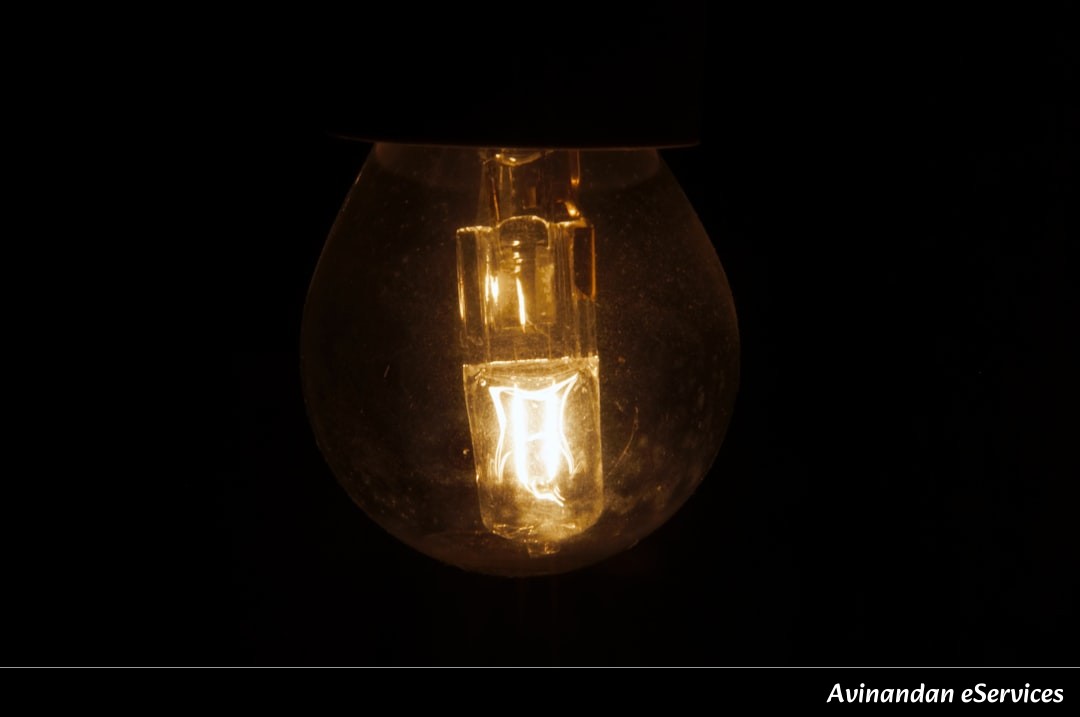
Saanvi: Exactly! And here’s another amazing thing: the light they produce is very efficient. Unlike a light bulb that gets hot, firefly light is often called “cold light” because it produces very little heat. Most of the energy from the chemical reaction goes into making light, not warmth. That’s why they don’t burn themselves up!
Rohan: Cold light? That’s amazing! So, it’s not wasteful. Is this something only fireflies can do?
Saanvi: Not at all! Bioluminescence happens in many other living things too. Deep-sea creatures, like some jellyfish and anglerfish, glow in the dark because there’s no sunlight down there. Some fungi, like the jack-o'-lantern mushroom, can glow, which is pretty spooky! Even some bacteria can glow.
Rohan: Whoa! So, it’s a whole secret world of glowing creatures! How did humans figure all this out? Did someone just catch a firefly and start mixing chemicals?
Saanvi: Haha, not quite! Scientists have been fascinated by these glowing creatures for centuries. They observed them and studied them carefully. In the early 20th century, scientists like E. Newton Harvey did a lot of research to understand the chemistry behind bioluminescence. They identified luciferin and luciferase and figured out how the light is produced.
Rohan: So, it took a lot of careful watching and experimenting. Why is it important for us to know about this, though? It’s cool, but does it help us do anything?
Saanvi: Absolutely! Understanding bioluminescence has led to some really useful things. For example, scientists can use the luciferase enzyme in labs to detect bacteria or test for certain chemicals. Imagine needing to check if water is safe to drink – they can use bioluminescent reactions to quickly see if harmful bacteria are present.
Rohan: So, it's like a natural test kit!
Saanvi: Yes! It’s also used in medical research. Scientists can tag molecules in our bodies with substances that glow when a certain reaction happens. This helps them see how diseases work or how medicines affect our bodies. It’s like having tiny glowing indicators inside us!
Rohan: That’s incredible! So, those little blinking lights in my garden are part of a science that helps people understand diseases and keep us safe. Who knew!
Saanvi: Nature is full of surprises, Rohan. And fireflies are a perfect example of how something beautiful and fascinating can also be incredibly useful.
So, What Did We Learn Today?
- Fireflies create their own light through a chemical process called bioluminescence.
- This process involves luciferin, luciferase, and oxygen reacting to produce light with very little heat, making it “cold light.”
- Fireflies use their light for communication, finding mates, warning predators, and attracting prey.
- Bioluminescence is found in many other organisms, especially in the deep sea.
- Understanding bioluminescence helps scientists in various fields, like detecting bacteria, testing water safety, and advancing medical research.
Rohan: I’ll never look at a firefly the same way again! It’s not just a bug; it’s a tiny, glowing scientist!
Saanvi: You got it, Rohan! And there are so many more amazing science stories waiting to be discovered all around us.