Rohan: Isha, I was just eating a peanut butter sandwich and thinking about my mom’s ring. She says the diamond in it is super old, like millions of years old! How are diamonds even made?
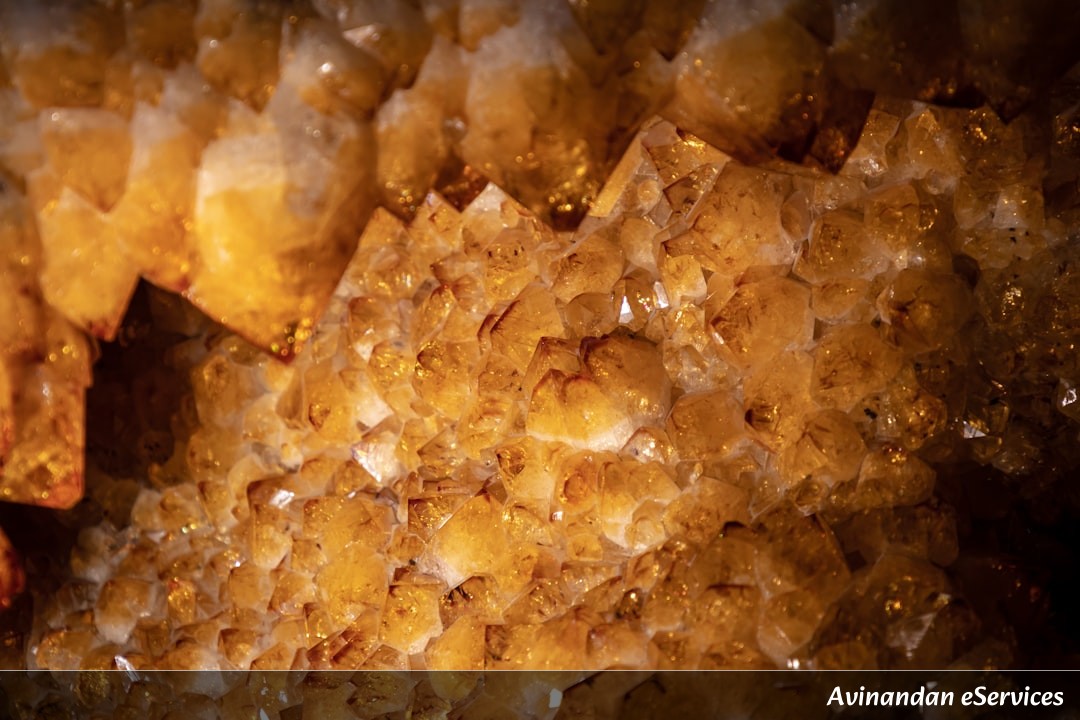
Isha: That’s a great question, Rohan! Natural diamonds are incredibly old. They form deep, deep inside the Earth, about 150 kilometers under our feet! The intense heat and mind-boggling pressure down there squeeze carbon atoms together into the super-strong, sparkly crystals we know as diamonds.
Rohan: Carbon atoms? Isn't that the stuff in pencils?
Isha: Exactly! The graphite in your pencil and a diamond are both made of the same thing: pure carbon. The only difference is how the atoms are arranged. But get this—because they’re both made of carbon, scientists have figured out how to turn carbon from other things into diamonds. Even from your peanut butter sandwich!
Rohan: Wait, what?! You’re kidding me! You can turn sticky, brown peanut butter into a hard, sparkly diamond? That sounds like a magic trick!
Isha: It sounds like magic, but it’s real science! A geophysicist named Dan Frost actually did it. He wasn't trying to open a jewelry store, though. He was studying the conditions in the Earth’s lower mantle—the layer beneath the crust we live on.
How Does Peanut Butter Become a Diamond?
Rohan: So, how did he do it? Did he just squeeze a jar of peanut butter really hard?
Isha: Hah, not quite! He needed to recreate the insane pressure that exists deep inside the Earth. We’re talking about pressure over 1.3 million times greater than the air pressure around us. To do that, he used a special device with two tiny, perfectly polished diamonds called diamond anvils.
Rohan: He used diamonds to make diamonds? That’s funny!
Isha: It is! Because diamonds are the hardest known natural material, they are perfect for creating immense pressure without breaking. So, the scientist put a tiny speck of peanut butter between the tips of these two diamond anvils and began to squeeze.
Rohan: And it just... popped into a diamond?
Isha: Well, it’s a bit more complicated. Peanut butter is full of carbon, which is what we need. But it’s also full of other stuff, like hydrogen. When the immense pressure was applied, it squeezed out the hydrogen from the peanut butter’s carbon-rich oils. What was left behind was pure carbon, trapped between the anvils.
Rohan: Okay, so he was left with just the carbon. What happened next?
Isha: He then heated the squeezed carbon with a powerful laser. This combination of \textreme pressure and high temperature forced the carbon atoms to reorganize themselves. They couldn’t stay in their messy, jumbled arrangement anymore. They locked together into the super-organized, strong, and stable crystal structure of a diamond!
Why Would Anyone Do This?
Rohan: Wow! That’s incredible! So… can I take my lunch money, buy a big tub of peanut butter, and make myself rich?
Isha: I wish it were that easy! The diamonds he made were incredibly tiny—so small you’d need a microscope to see them. The equipment is also super expensive, and the process is very difficult. It’s not a practical way to make jewelry.
Rohan: Aww, man. So why did he do it then? Just for fun?
Isha: He did it to learn about our planet! His main goal was to understand how the Earth was formed and what the conditions are like in the mantle. By recreating those conditions in his lab, he can test how different materials behave. The experiment showed that carbon from many different sources could potentially form diamonds deep within planets, which helps scientists understand planetary formation not just on Earth, but elsewhere in the universe too.
Rohan: So the whole peanut butter thing was just a cool side effect of a much bigger experiment about how planets are made? That’s even cooler, actually!
Isha: Exactly! It proves that the building blocks of something as precious as a diamond are found in the most ordinary things around us—all you need is a little bit of planetary-level pressure!
So, What Did We Learn Today?
Isha: Let's quickly go over what we discovered. It’s a pretty amazing story!
- All About Carbon: Both precious diamonds and the graphite in pencils are made from the same element: carbon. The only difference is how their atoms are arranged.
- Recipe for a Diamond: To create a diamond, you need two main ingredients: immense pressure and high temperature. These conditions are naturally found deep inside the Earth.
- From Sandwich to Sparkle: Scientists can recreate these conditions in a lab. They proved that the carbon found in everyday organic materials, like peanut butter, can be squeezed and heated until its atoms rearrange to form a real diamond.
- It's About the Science: The experiment wasn’t about making cheap jewelry. It was a clever way for scientists to study the \textreme conditions in the Earth’s mantle and learn more about how planets are formed.
Rohan: That's so cool! I’ll never look at my peanut butter sandwich the same way again. It’s not just lunch… it’s a jar full of potential diamonds! Thanks, Isha!
Isha: You're welcome, Rohan! Science is full of surprises, isn't it?