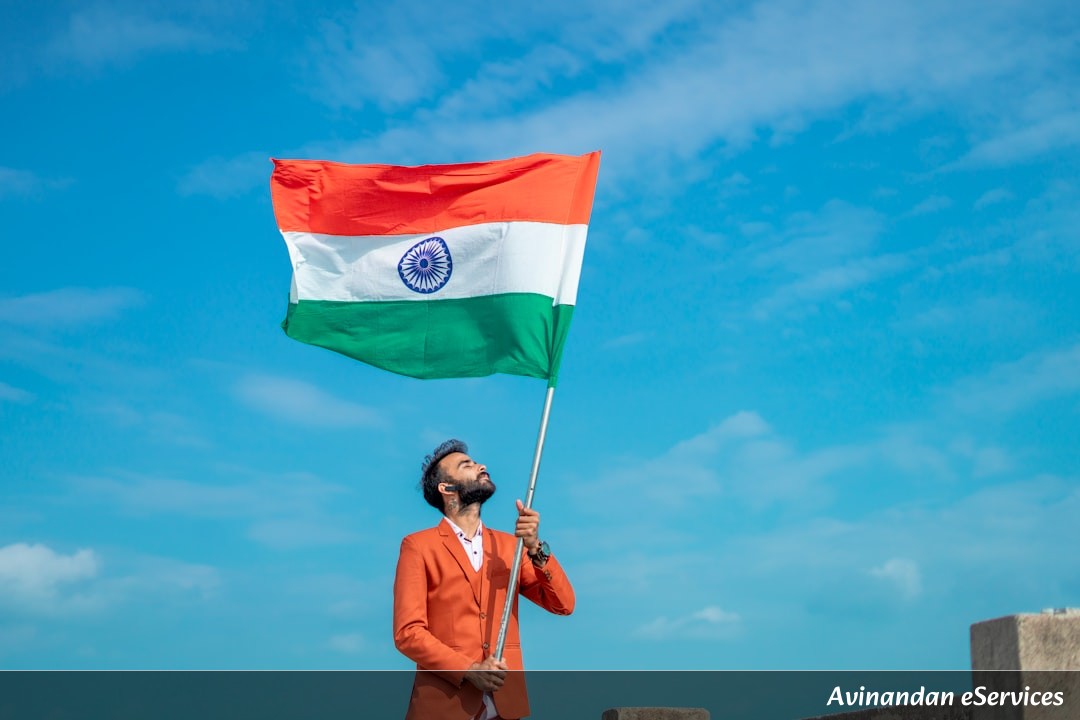
Dalal Street on a High: Nifty and Sensex Touch New Peaks
The Indian stock market surged to unprecedented heights today, with the Nifty50 index crossing the 26,300 mark for the first time and the BSE Sensex also hitting a new all-time high of over 86,000. This bull run has electrified investors and marks a significant turnaround after a period of volatility. The rally is not just a fleeting moment but is underpinned by a confluence of positive domestic and global factors. Market analysts point to strong corporate earnings, resilient domestic demand, and significant buying from both domestic institutional investors (DIIs) and a return of foreign institutional investors (FIIs) as foundational pillars for this growth. A key trigger for the current optimism is the growing expectation of interest rate cuts. Softer inflation data in the United States has fueled hopes that the U.S. Federal Reserve may ease its monetary policy, potentially as early as its December meeting. Such a move typically boosts global liquidity and increases investment flows into emerging markets like India. Concurrently, there is rising speculation that the Reserve Bank of India (RBI) might also consider a rate cut in its upcoming Monetary Policy Committee meeting, further improving sentiment. Global brokerage firms like JPMorgan and Morgan Stanley have expressed renewed optimism, upgrading their targets for Indian indices for 2026, citing a potential multi-year earnings acceleration. Experts believe that while valuations are not cheap, they are reasonable given the strong economic fundamentals and the potential for a revival in consumption and capital expenditure. The rally has been broad-based, with sectors like banking, financials, manufacturing, and IT leading the charge.
A New Dawn for India's Workforce: Landmark Labour Codes Implemented
In one of the most significant reforms to its employment landscape, India has officially implemented four new labour codes, effective from November 21, 2025. This historic overhaul consolidates 29 separate central labour laws into a simplified and modernised framework, aiming to create a more resilient and protected workforce while improving the ease of doing business. The four codes are the Code on Wages, 2019; the Industrial Relations Code, 2020; the Code on Social Security, 2020; and the Occupational Safety, Health and Working Conditions (OSHWC) Code, 2020. One of the most talked-about changes is the new, uniform definition of 'wages', which mandates that an employee's basic pay must constitute at least 50% of their total remuneration (CTC). This change is set to increase contributions towards Provident Fund (PF) and gratuity, enhancing long-term social security for employees, though it might lead to a slight reduction in monthly take-home salaries for some. In a landmark move, the codes formally recognise 'gig' and 'platform' workers for the first time, bringing millions of people working for app-based services like Zomato, Swiggy, and Uber under a social security net. Aggregators will now have to contribute 1-2% of their annual turnover to a social security fund for these workers. Other key changes include making appointment letters mandatory for all employees, expanding ESIC coverage, prohibiting gender discrimination, and allowing women to work night shifts with adequate safety measures. The eligibility for annual paid leave has also been eased from 240 days to 180 days of work. While the reforms are aimed at simplification, their successful implementation now depends heavily on how individual states notify and enforce the rules.
The Great Indian Debate: Why are the Rich Reportedly Leaving?
A heated debate has taken over Indian social media today, sparked by a viral post from financial advisor and content creator Akshat Shrivastava. He claimed to be receiving a surge in private messages from high-net-worth individuals (HNIs) looking for guidance on moving out of India. This trend, he argued, is not primarily driven by a desire to save on taxes. Instead, the core motivators are the pursuit of a better quality of life for their children, including cleaner air, enhanced safety, and better opportunities. The post has struck a nerve, resonating with a growing anxiety among urban families about long-term livability in India's metros, which are currently grappling with hazardous levels of air pollution. The discussion online has been intense and multifaceted. Many users shared their own experiences and reasons for considering a move abroad, validating the concerns raised in the original post. The debate also touched upon the potential economic repercussions of such an exodus. Shrivastava pointed out that since a very small percentage of the population pays direct taxes, the departure of even a few wealthy individuals represents a significant loss to the nation's tax base. However, others have countered this by arguing that migration has benefits too, highlighting the immense value India derives from its global diaspora. Some comments suggested that instead of leaving the country, a better alternative would be to move to smaller, less polluted Indian cities like Udupi, Mysore, or Kochi. The viral conversation reflects a deeper societal concern about whether India's rapid economic growth is being matched by improvements in crucial quality-of-life indicators like public health, safety, and environmental standards.
Karnataka Power Tussle Reaches Delhi: Siddaramaiah vs. Shivakumar
The political temperature is soaring in Karnataka as the leadership tussle within the ruling Congress party has intensified and is now set to be resolved by the party's high command in New Delhi. The conflict centers around Chief Minister Siddaramaiah and his deputy, D.K. Shivakumar, over an alleged power-sharing agreement. Speculation has been rife since the government crossed the halfway mark of its five-year term on November 20. Reports from within the party suggest a “secret deal” was brokered in 2023, wherein Siddaramaiah would hold the Chief Minister's post for the first 2.5 years, after which D.K. Shivakumar would take over for the remainder of the term. With that informal deadline having passed, Shivakumar's supporters have become more vocal, with several MLAs camping in Delhi to press their case with senior leaders. Both leaders have publicly acknowledged the 'confusion' but have stated that they will abide by the final decision of the high command. Congress President Mallikarjun Kharge has confirmed that he will convene a meeting with senior leaders, including Sonia Gandhi and Rahul Gandhi, along with both Siddaramaiah and Shivakumar, to settle the matter amicably. The high command is reportedly keen to resolve the issue before the upcoming winter session of Parliament to present a united front and avoid further damage to the party's image and the government's stability. The outcome of this meeting is now being keenly watched, as it will determine the future course of the Congress government in the crucial southern state.