Introduction to the Topic
Welcome, future botanists and biology enthusiasts! Have you ever paused to admire a blooming rose, a cheerful sunflower, or a fragrant jasmine? Flowers are not just nature's art; they are sophisticated, intricate factories of life. They are the primary reproductive organs of angiosperms, or flowering plants, which dominate our planet's flora. Understanding how they reproduce is not just a crucial part of your Class XII Biology syllabus; it's fundamental to understanding ecology, agriculture, and the very cycle of life that sustains us. From the food we eat to the air we breathe, the success of flowering plants plays a pivotal role.
Chapter 2 of your NCERT textbook, "Sexual Reproduction in Flowering Plants," takes us on a magnificent journey into this world. It decodes the processes that allow a plant to create a seed, a tiny capsule of potential, capable of growing into a new plant. This process, sexual reproduction, involves the fusion of male and female gametes, leading to genetic variation and adaptation—key ingredients for survival in an ever-changing world. We will dissect the flower's structure, follow the perilous journey of a pollen grain, witness the unique event of double fertilization, and track the development of the seed and fruit. So, let's peel back the petals and delve into the fascinating mechanics of life's creation in the plant kingdom.
Key Concepts Explained
The Flower: A Fascinating Reproductive Organ
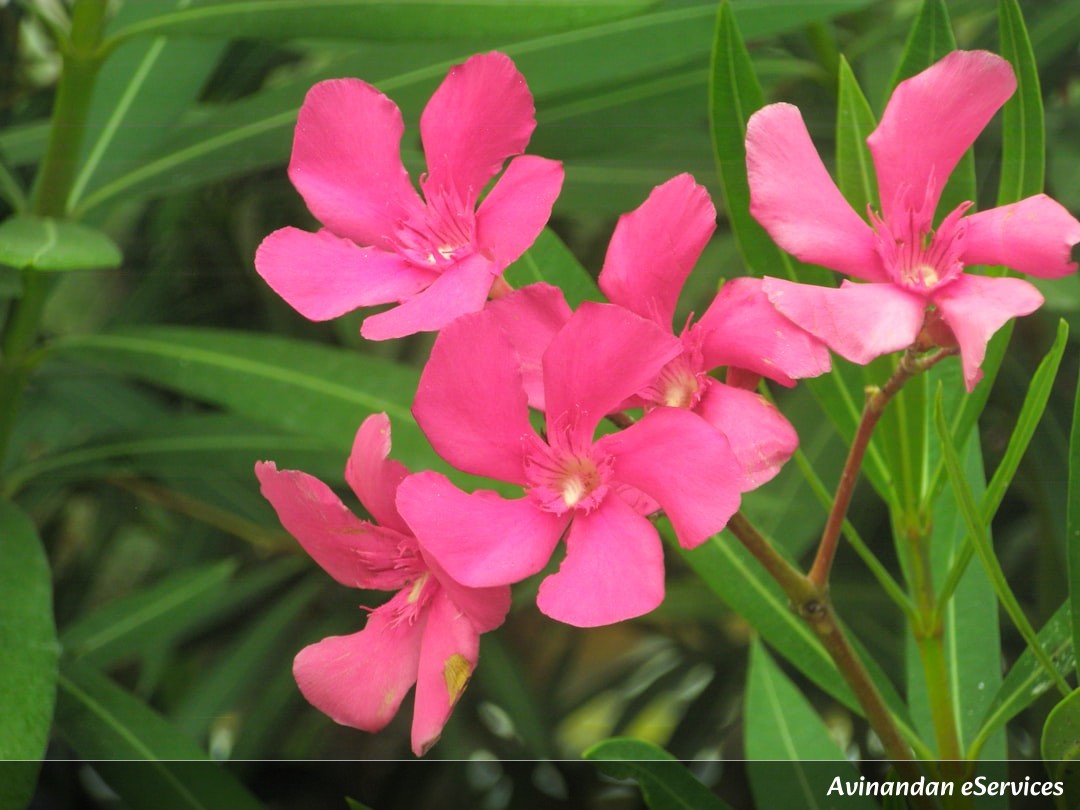
Before we dive into the processes, we must understand the stage where all the action happens: the flower. A typical flower is a modified shoot with four distinct whorls of modified leaves, arranged on a swollen end of the stalk called the thalamus or receptacle.
- Calyx: This is the outermost whorl, composed of units called sepals. They are typically green and leaf-like, and their primary function is to protect the flower in its bud stage.
- Corolla: The second whorl consists of petals. These are often brightly coloured and fragrant to attract insects and birds for pollination. Think of them as the flower's vibrant billboards.
- Androecium: The third whorl is the male reproductive part, composed of stamens. Each stamen has two parts: a long, slender stalk called the filament and a terminal, typically bilobed structure called the anther. The anther is where the pollen grains, which contain the male gametes, are produced.
- Gynoecium (or Pistil): This is the innermost whorl, the female reproductive part of the flower. It is composed of one or more carpels. Each carpel (or a fused pistil) has three parts: the stigma, which is the receptive tip for pollen grains; the style, an elongated tube connecting the stigma to the ovary; and the ovary, the enlarged basal part containing one or more ovules. Inside each ovule, the female gamete, or egg cell, is formed.
The Calyx and Corolla are considered accessory whorls, while the Androecium and Gynoecium are the essential, reproductive whorls.
Pre-Fertilisation: Setting the Stage for Reproduction
A lot of preparation needs to happen before the actual fusion of gametes. These preparatory steps, involving the formation and development of male and female gametes, are clubbed under pre-fertilisation events.
The Male Story: Development of the Pollen Grain
Let's zoom into the anther. A transverse section reveals it's a four-sided structure with a microsporangium at each corner. These microsporangia develop further and become pollen sacs, which are packed with pollen grains.
Microsporogenesis: Inside a young microsporangium is a compact mass of homogenous cells called the sporogenous tissue. As the anther develops, the cells of this tissue undergo meiotic divisions to form microspore tetrads. Each cell of the sporogenous tissue is a potential Pollen Mother Cell (PMC) or a microspore mother cell. The process of formation of microspores from a PMC through meiosis is called microsporogenesis. As the anthers mature and dehydrate, the microspores dissociate from each other and develop into pollen grains.
The Pollen Grain (Male Gametophyte): A pollen grain represents the male gametophyte. It's typically spherical and has a two-layered wall:
- Exine: The hard outer layer made of sporopollenin, one of the most resistant organic materials known. It can withstand high temperatures, strong acids, and alkalis. No enzyme that degrades sporopollenin is so far known. This is why pollen grains are so well-preserved in fossils. The exine has prominent apertures called germ pores where sporopollenin is absent. These are the sites from which the pollen tube emerges.
- Intine: The thin and continuous inner wall, made up of cellulose and pectin.
When the pollen grain is mature, it contains two cells: the larger vegetative cell (or tube cell) with abundant food reserve and a large, irregularly shaped nucleus, and the smaller generative cell, which floats in the cytoplasm of the vegetative cell. In over 60% of angiosperms, pollen grains are shed at this 2-celled stage. In the remaining species, the generative cell divides mitotically to give rise to the two male gametes before the pollen grain is shed (3-celled stage).
The Female Story: Development of the Embryo Sac
Now, let's turn our attention to the gynoecium. The main event occurs inside the ovule (also known as the megasporangium).
The Ovule: The ovule is a small structure attached to the placenta by a stalk called the funicle. It is protected by one or two envelopes called integuments. These integuments leave a small opening at the tip called the micropyle. The opposite end is the chalaza. Enclosed within the integuments is a mass of cells called the nucellus, which contains reserve food materials. Located within the nucellus is the embryo sac or female gametophyte.
Megasporogenesis: This is the process of formation of megaspores from the Megaspore Mother Cell (MMC). Generally, a single MMC differentiates in the micropylar region of the nucellus. This MMC is a large cell with dense cytoplasm and a prominent nucleus. It undergoes meiosis, which results in the production of four megaspores, usually arranged in a linear tetrad. In a majority of flowering plants, only one of the megaspores is functional while the other three degenerate. This is a crucial efficiency mechanism, concentrating resources on one viable path.
The Embryo Sac (Female Gametophyte): The functional megaspore is the first cell of the female gametophyte. Its nucleus divides mitotically to form two nuclei, which move to opposite poles. Two more sequential mitotic divisions result in the formation of an 8-nucleate embryo sac. Interestingly, these nuclear divisions are not immediately followed by cell wall formation. After the 8-nucleate stage, cell walls are laid down, leading to the organisation of the typical female gametophyte or embryo sac. Six of the eight nuclei are surrounded by cell walls, while the remaining two nuclei, called polar nuclei, are situated below the egg apparatus in the large central cell.
The final, mature embryo sac is a 7-celled, 8-nucleate structure:
- Egg Apparatus: At the micropylar end, one egg cell and two synergids are grouped together. The synergids have special cellular thickenings at the micropylar tip called the filiform apparatus, which plays an important role in guiding the pollen tube into the synergid.
- Antipodals: Three cells at the chalazal end are termed the antipodals.
- Central Cell: The large central cell has two polar nuclei.
Pollination: The Great Transfer
Now that the male (pollen) and female (embryo sac) gametophytes are ready, they need to be brought together. Pollination is the mechanism to achieve this; it is the transfer of pollen grains from the anther to the stigma of a pistil.
Depending on the source of pollen, pollination can be divided into three types:
- Autogamy (Self-Pollination): Transfer of pollen from the anther to the stigma of the same flower. It requires synchrony in pollen release and stigma receptivity and proximity of anther and stigma. Some plants like Viola (common pansy), Oxalis, and Commelina produce two types of flowers: chasmogamous flowers which are open and similar to other flowers, and cleistogamous flowers which do not open at all, ensuring self-pollination.
- Geitonogamy: Transfer of pollen from the anther to the stigma of another flower of the same plant. Functionally it is cross-pollination involving a pollinating agent, but genetically it is similar to autogamy since the pollen grains come from the same plant.
- Xenogamy (Cross-Pollination): Transfer of pollen from the anther to the stigma of a different plant. This is the only type of pollination which brings genetically different types of pollen grains to the stigma, promoting genetic variation.
Agents of Pollination
Plants use two main types of agents to achieve pollination: abiotic (wind and water) and biotic (animals). Plants have evolved amazing adaptations for their specific pollinator.
- Wind Pollination (Anemophily): The pollen grains are light and non-sticky so they can be transported in wind currents. The flowers often have well-exposed stamens for easy dispersal of pollen and large, feathery stigmas to easily trap airborne pollen. These flowers are not showy or fragrant and don't produce nectar. Think of corn and grasses.
- Water Pollination (Hydrophily): Quite rare, limited to about 30 genera, mostly monocots like Vallisneria and Hydrilla. Pollen grains are often long, ribbon-like, and protected from wetting by a mucilaginous covering.
- Animal Pollination (Zoophily): The vast majority of plants use animals like bees, butterflies, flies, beetles, wasps, ants, moths, birds (sunbirds and hummingbirds), and bats as pollinators. Flowers pollinated by animals are adapted to attract them. They are large, colourful, fragrant, and rich in nectar. The pollen grains are sticky to adhere to the animal's body. Some flowers offer 'safe places' to lay eggs as a floral reward. This is a beautiful example of co-evolution.
Pollen-Pistil Interaction: The Crucial Handshake
Pollination does not guarantee fertilization. The pistil has the ability to recognise the pollen, whether it is of the right type (compatible) or of the wrong type (incompatible). This recognition is a result of a continuous dialogue between the pollen grain and the pistil, mediated by chemical components. If the pollen is compatible, the pistil accepts it and promotes post-pollination events. If it's incompatible, the pistil rejects the pollen by preventing germination on the stigma or growth of the pollen tube in the style.
Following compatible pollination, the pollen grain germinates on the stigma to produce a pollen tube through one of the germ pores. The contents of the pollen grain move into the pollen tube. The tube grows through the tissues of the stigma and style and reaches the ovary. If the pollen was shed at the 2-celled stage, the generative cell divides inside the pollen tube to form the two male gametes. The pollen tube, carrying the two male gametes, finally enters the ovule through the micropyle and then enters one of the synergids through the filiform apparatus.
Double Fertilisation: A Unique Angiospermic Event
This is the grand finale of the reproductive process and a hallmark of flowering plants. After entering one of the synergids, the pollen tube releases the two male gametes into the cytoplasm of the synergid. What follows are two distinct fusion events:
- Syngamy: One of the male gametes moves towards the egg cell and fuses with its nucleus. This fusion completes the process of syngamy and results in the formation of a diploid cell, the zygote.
- Triple Fusion: The second male gamete moves towards the two polar nuclei located in the central cell and fuses with them to produce a triploid (3n) Primary Endosperm Nucleus (PEN). As this involves the fusion of three haploid nuclei, it is termed triple fusion.
Since two types of fusions, syngamy and triple fusion, take place in an embryo sac, the phenomenon is termed double fertilisation. It is an event unique to flowering plants. The central cell after triple fusion becomes the Primary Endosperm Cell (PEC) and develops into the endosperm, while the zygote develops into an embryo.
Post-Fertilisation: The Fruits of Labour
Following double fertilisation, a series of events begins that transforms the ovule into a seed and the ovary into a fruit. These are collectively called post-fertilisation events.
Endosperm and Embryo Development
Endosperm: The primary endosperm cell divides repeatedly to form a triploid endosperm tissue. The cells of this tissue are filled with reserve food materials and are used for the nutrition of the developing embryo. In the most common type, the PEN undergoes successive nuclear divisions to give rise to free nuclei (free-nuclear endosperm). This stage is followed by cell wall formation. The tender coconut water you drink is nothing but free-nuclear endosperm, and the surrounding white kernel is the cellular endosperm.
Embryo: The embryo develops at the micropylar end of the embryo sac where the zygote is situated. The zygote divides only after a certain amount of endosperm is formed, which is an adaptation to provide assured nutrition to the developing embryo. The early stages of embryo development (embryogeny) are similar in both monocots and dicots. A typical dicot embryo consists of an embryonal axis and two cotyledons. The portion of the embryonal axis above the level of cotyledons is the epicotyl, which terminates with the plumule (stem tip). The cylindrical portion below the level of cotyledons is the hypocotyl, which terminates at its lower end in the radicle (root tip). Monocot embryos possess only one cotyledon, called the scutellum. Their radicle and plumule are enclosed in sheaths called coleorhiza and coleoptile respectively.
Seed and Fruit Formation
The final product of sexual reproduction is the seed. It is often described as a fertilised ovule.
Seed: As the embryo develops, the ovule matures into a seed. The integuments of the ovule harden into the tough, protective seed coats (the outer testa and the inner tegmen). The micropyle remains as a small pore in the seed coat, facilitating the entry of oxygen and water during germination. Seeds may be albuminous (endospermic), where they retain a part of the endosperm as it is not completely used up during embryo development (e.g., wheat, maize, castor), or non-albuminous (non-endospermic), where the endosperm is completely consumed during development (e.g., pea, groundnut).
Fruit: Simultaneously, the ovary develops into a fruit. The transformation of ovules into seeds and ovary into fruit proceeds concurrently. The wall of the ovary develops into the wall of the fruit, called the pericarp. Fruits can be fleshy (like guava, orange, mango) or dry (like groundnut, mustard). Fruits that develop from the ovary are called true fruits. In a few species, however, floral parts other than the ovary, like the thalamus, contribute to fruit formation. Such fruits are called false fruits (e.g., apple, strawberry). Some fruits develop without fertilisation, and these are called parthenocarpic fruits (e.g., banana). They are seedless.
Apomixis and Polyembryony: Interesting Variations
Although seeds are generally the products of fertilisation, a few flowering plants have evolved a special mechanism to produce seeds without fertilisation, called apomixis. It is a form of asexual reproduction that mimics sexual reproduction. This is of great interest to agricultural scientists for producing hybrid seeds that do not segregate characters in the progeny.
Polyembryony is the occurrence of more than one embryo in a seed, which can arise through various mechanisms. It is common in citrus fruits and mangoes.
Summary & Key Takeaways
Let's recap this incredible journey from flower to fruit with some key takeaways:
- The Flower is the Reproductive Unit: It consists of four whorls, with the androecium (male) and gynoecium (female) being the essential reproductive parts.
- Gametophyte Development: The pollen grain is the male gametophyte, developing from a microspore. The embryo sac is the female gametophyte, developing from a functional megaspore.
- Pollination is Key: It is the crucial transfer of pollen from anther to stigma, facilitated by agents like wind, water, and animals.
- Double Fertilisation is Unique: A hallmark of angiosperms, it involves two fusion events: syngamy (male gamete + egg → zygote) and triple fusion (second male gamete + polar nuclei → primary endosperm nucleus).
- From Zygote to Embryo: The zygote develops into the embryo, which is the future plant.
- From PEN to Endosperm: The primary endosperm nucleus develops into the endosperm, a nutritive tissue for the embryo.
- Final Transformation: Post-fertilisation, the ovule matures into a seed, and the ovary develops into a fruit, which protects the seeds and aids in their dispersal.
The process of sexual reproduction in flowering plants is a beautifully orchestrated symphony of biological events. It ensures the continuation of species, promotes genetic diversity, and forms the very foundation of our ecosystems and food supply. The next time you see a flower, you'll know the complex and wondrous story unfolding within its delicate petals.