Cyclone Montha Batters Andhra Pradesh and Odisha Coasts
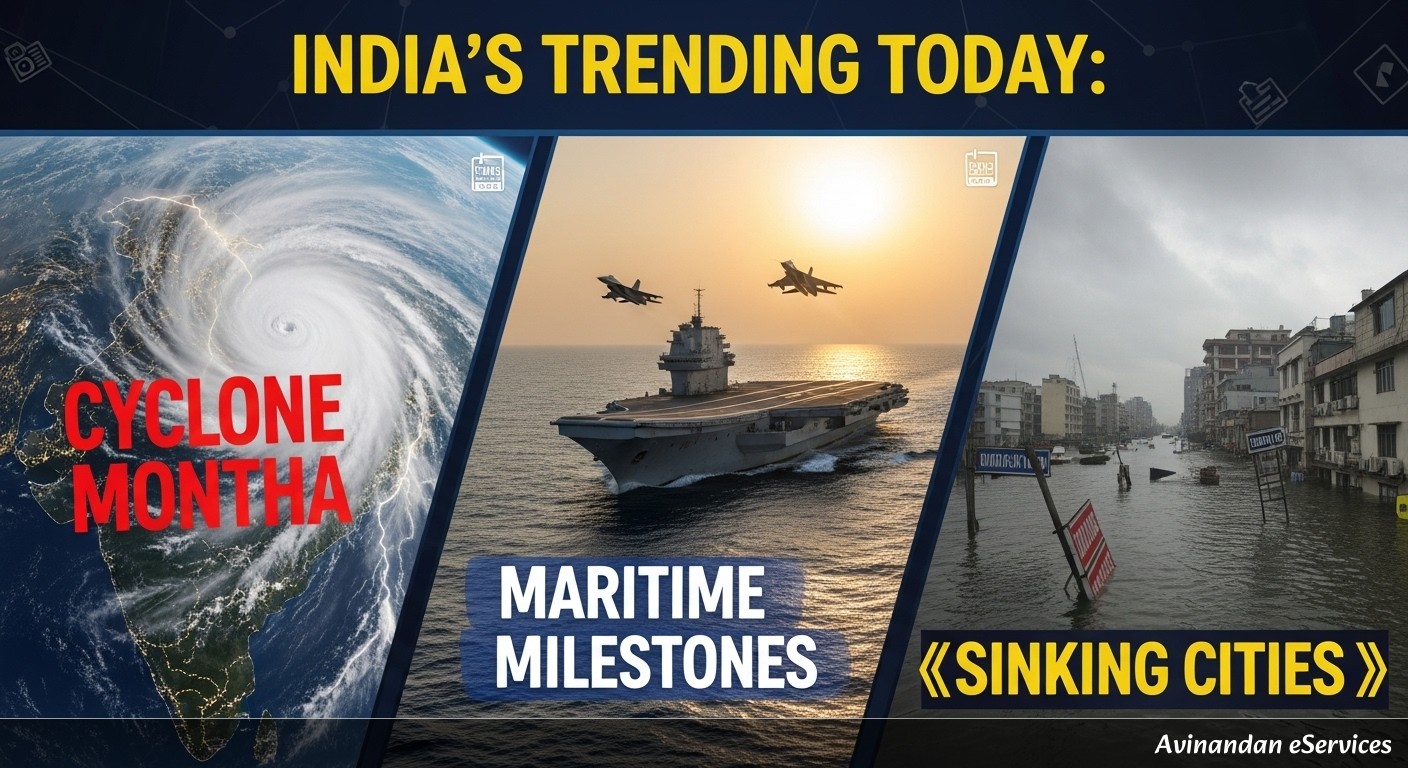
A severe cyclonic storm named 'Montha' is currently dominating headlines and social media feeds as it makes landfall near Kakinada on the Andhra Pradesh coast. The India Meteorological Department (IMD) has issued heavy rain warnings for both coastal Andhra Pradesh and Odisha, with fears of widespread flooding and damage. Preliminary assessments from Andhra Pradesh report a trail of destruction, with two fatalities, inundated crops across 87,000 hectares, and significant damage to infrastructure like roads and bridges. Even as the storm's intensity is reported to have slightly weakened, power and transportation disruptions continue to affect several districts. The situation remains critical, with authorities advising preparedness and caution in the vulnerable coastal regions. Social media is abuzz with updates, images, and videos from the affected areas, as citizens and disaster response teams track the cyclone's movement and impact.
India Launches 'Bharat Container Line' to Boost Maritime Power
In a major push for maritime self-reliance, Prime Minister Narendra Modi has officially launched India's first national container shipping line, the Bharat Container Shipping Line (BCSL). This landmark announcement was made at the Global Maritime CEO Forum during India Maritime Week 2025 in Mumbai. With an initial fleet of 51 boxships and a massive investment of $6.9 billion, the BCSL aims to reduce India's dependence on foreign carriers and enhance control over its seaborne trade. The new shipping line will operate under a public-private partnership and will initially focus on regional routes across Asia, West Asia, and the Red Sea, with plans for future expansion into global trade. This strategic move is part of the government's broader 'Maritime India Vision 2047' and is being hailed as the dawn of a 'new era of maritime confidence' for the nation.
New Study Reveals Alarming Land Subsidence in Major Indian Cities
A groundbreaking study published in the prestigious journal *Nature Sustainability* has brought a critical environmental issue to the forefront of national conversation: the sinking of India's major cities. The report reveals that gradual land subsidence, primarily caused by excessive groundwater \textraction, poses a growing threat to buildings and infrastructure in metropolises like New Delhi, Mumbai, and Chennai. The study indicates that over 2,400 structures in these cities are already at high risk of damage. Looking ahead, the projections are even more dire, with a warning that if current trends continue, more than 23,000 buildings across five of India's megacities could face a very high risk of structural damage in the coming decades. The findings have sparked urgent discussions among urban planners, environmentalists, and policymakers about the need for sustainable water management and the long-term viability of some of India's most populous urban centers.
Mixed Fortunes for Banking Giants in Q2 Results
The financial world in India is abuzz with the second-quarter earnings reports from the country's leading private sector banks. HDFC Bank and ICICI Bank reported growth in their net profits, with HDFC seeing a 10% jump. However, it wasn't all good news in the banking sector, as Axis Bank and Kotak Mahindra Bank presented a more subdued performance. Axis Bank's profit saw a significant drop of 25%, which has been attributed to a one-time provision mandated by the RBI, while Kotak Mahindra Bank's profit dipped by 11% year-on-year. These mixed results have been a major point of discussion on business news channels and financial forums, with analysts and investors closely examining the financial health and future outlook of these banking behemoths. The varying performances highlight the dynamic and challenging landscape of India's banking industry.


