The Unseen Threat: Understanding Noise-Induced Hearing Loss
In our bustling world, sound is a constant companion. From the hum of traffic and the chatter of a busy restaurant to the immersive audio of our favorite music and movies, our ears are always at work. But what happens when the sounds we are exposed to become too loud, for too long? This is where the risk of Noise-Induced Hearing Loss (NIHL) emerges. NIHL is a permanent form of hearing damage caused by exposure to loud sounds, and it affects millions of people of all ages. Unlike many other health conditions, NIHL is almost entirely preventable. This guide will provide you with the knowledge and actionable strategies to protect your hearing, one of your most valuable senses, for a lifetime.
A Delicate System: How Sound Can Cause Harm
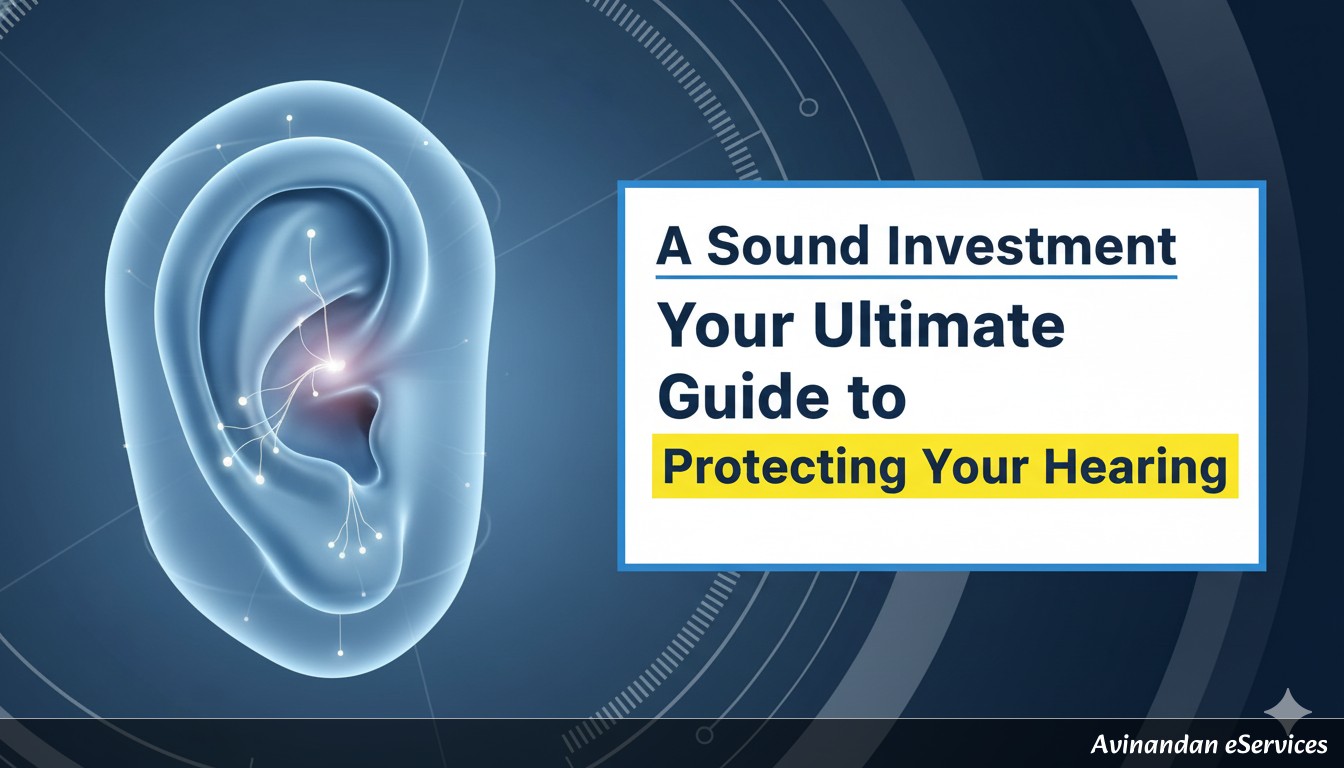
To understand how hearing loss occurs, it's helpful to know a little about how we hear. Sound waves travel into our ear canal and cause the eardrum to vibrate. These vibrations are transmitted through tiny bones in the middle ear to a snail-shaped, fluid-filled structure in the inner ear called the cochlea. The cochlea is lined with thousands of microscopic sensory cells called hair cells. Each hair cell has a tiny, wispy bundle of stereocilia on top that sways with the sound vibrations. This movement converts the vibrations into electrical signals that travel to the brain, which interprets them as sound.
Extremely loud sounds, whether a sudden burst like an explosion or continuous exposure to high volumes, can damage or destroy these delicate hair cells. Once damaged, these cells cannot be repaired or replaced in humans, leading to permanent hearing loss. The damage is often gradual, so you might not notice it until it becomes significant.
How Loud is Too Loud? Decoding Decibels
The intensity of sound is measured in units called A-weighted decibels (dBA). Sounds at or below 70 dBA are generally considered safe and are unlikely to cause hearing loss, even with long-term exposure. However, prolonged or repeated exposure to sounds at or above 85 dBA can cause permanent damage. To put this into perspective, 85 dBA is equivalent to the sound of heavy city traffic or a noisy restaurant.
A critical rule to remember is the relationship between loudness and exposure time. For every 3 dBA increase in sound level, the permissible safe listening time is cut in half. For example, you can be exposed to 85 dBA for up to 8 hours, but at 88 dBA, that time drops to 4 hours.
Common Sounds and Their Decibel Levels:
- Whisper: 30 dBA
- Normal Conversation: 60-70 dBA
- Vacuum Cleaner: 70-80 dBA
- City Traffic (inside a car): 85 dBA
- Motorcycle or Snowmobile: 100 dBA
- Sporting Event or Rock Concert: 110-120 dBA
- Siren at 100 feet: 120 dBA
- Gunshot or Fireworks: 140-160 dBA
Sounds above 120 dBA can cause immediate and permanent damage to your hearing.
Actionable Tips to Protect Your Hearing
Protecting your hearing doesn't mean living in silence. It means being smart about your sound exposure. By incorporating a few simple habits into your daily life, you can significantly reduce your risk of NIHL.
1. Lower the Volume
One of the most significant sources of preventable hearing damage today comes from personal audio devices. A good practice is the 60/60 rule: listen at no more than 60% of the maximum volume for no more than 60 minutes at a time before taking a break. The World Health Organization (WHO) recommends keeping the volume on personal devices below 80 dB for adults for a safe weekly listening allowance of 40 hours. Consider investing in noise-canceling headphones, which block out ambient noise, allowing you to enjoy your audio at a lower, safer volume.
2. Increase Your Distance
The farther you are from a sound source, the quieter it is. This simple principle is a powerful tool for hearing protection. At a loud concert or event, try not to stand directly next to the speakers. When using loud appliances like a blender or leaf blower, step away while they are in operation if possible. If you can't reduce the noise or protect yourself from it, moving away is an effective strategy.
3. Use Hearing Protection
When you know you'll be in a loud environment, hearing protection is essential. There are several options available:
- Disposable Foam Earplugs: Inexpensive and widely available, they can reduce noise by 15 to 30 decibels when inserted correctly.
- Reusable Pre-molded Earplugs: Made from silicone or plastic, these are washable and can be used multiple times.
- Earmuffs: These fit over the entire outer ear and can also reduce noise by 15 to 30 decibels. They are easy to use and a good option for intermittent noise.
- High-Fidelity Earplugs: Often used by musicians and concert-goers, these reduce sound levels evenly across all frequencies, so music and speech sound clearer and more natural, just quieter.
Always use hearing protection when operating power tools, lawn equipment, attending concerts, or engaging in any activity where noise levels are high.
4. Give Your Ears a Rest
Just like any other part of your body, your ears need time to recover after intense use. After being exposed to loud noise for a prolonged period, try to spend some time in a quiet environment. It is recommended to give your ears about 16 hours of rest to recover after exposure to loud noise, such as a concert. Taking periodic breaks from noise can help reduce the overall impact on your hearing health.
5. Be Mindful of Your Workplace Environment
Occupational noise is a major cause of hearing loss. Regulatory bodies like the Occupational Safety and Health Administration (OSHA) require employers to implement a hearing conservation program when noise exposure reaches an average of 85 dBA over an 8-hour workday. If you work in a noisy environment (e.g., construction, manufacturing, aviation), ensure your employer provides and trains you on the use of appropriate hearing protection. Be aware of your rights and the safety standards in place to protect you.
Recognizing the Early Signs of Hearing Loss
Because NIHL is often gradual, you may not notice the signs until they become more pronounced. Being aware of the early symptoms can prompt you to take protective action and seek a professional evaluation. Key signs include:
- Sounds seeming muffled or distorted.
- Difficulty understanding speech, especially in noisy backgrounds or on the phone.
- Frequently needing to ask people to repeat themselves.
- Turning up the volume on the television or radio to levels others find too loud.
- Experiencing tinnitus, which is a ringing, buzzing, or roaring sound in the ears or head.
If you experience any of these symptoms, it's a good idea to get your hearing checked by an audiologist or an ear, nose, and throat (ENT) doctor.
Conclusion: A Lifelong Commitment to Healthy Hearing
Your ability to hear connects you to the world, to your loved ones, and to the experiences that bring joy and meaning to your life. Protecting it from the preventable damage of loud noise is one of the most important investments you can make in your long-term health and well-being. By understanding the risks, knowing the safe limits, and adopting simple, protective habits, you can ensure that you continue to enjoy the sounds of your world for many years to come.
References
- National Institute on Deafness and Other Communication Disorders (NIDCD): Noise-Induced Hearing Loss
- Centers for Disease Control and Prevention (CDC): How Do I Prevent Hearing Loss?
- World Health Organization (WHO): Deafness and hearing loss
- Occupational Safety and Health Administration (OSHA): Occupational Noise Exposure
- Mayo Clinic: Hearing loss - Symptoms and causes
Important Disclaimer
The information provided in this blog post is for educational purposes only and is not intended as a substitute for professional medical advice, diagnosis, or treatment. Always seek the advice of your physician or other qualified health provider with any questions you may have regarding a medical condition. Never disregard professional medical advice or delay in seeking it because of something you have read here.