Introduction: A Moment in Time
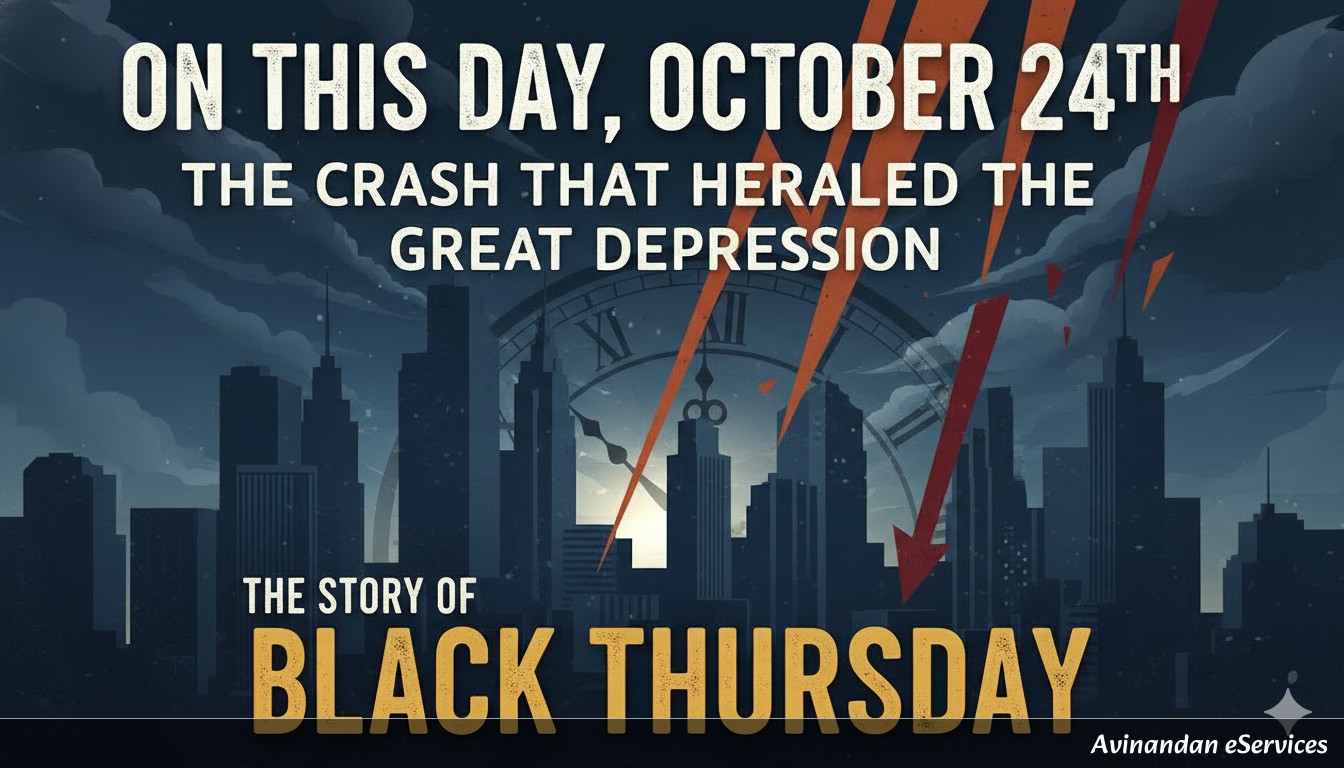
The date October 24, 1929, began like many others in the exuberant era of the Roaring Twenties. It was a time of unprecedented prosperity, technological advancement, and cultural dynamism in the United States. Many believed the soaring stock market was a reflection of this new, permanent plateau of economic success. But on this fateful Thursday, the optimism that had defined a decade began to unravel with breathtaking speed. This day, which would come to be known as "Black Thursday," marked the beginning of the most devastating stock market crash in American history and the ominous prelude to the Great Depression. It was a day that would forever alter the financial landscape and the lives of millions around the globe.
The Build-Up: What Led to This Day?
To understand the panic of Black Thursday, one must first appreciate the intoxicating atmosphere of the 1920s. Following the end of World War I, the United States experienced a period of rapid economic growth. Industrial production surged, and new technologies like the automobile and the radio transformed society. For many Americans, the stock market seemed like a surefire way to wealth. A speculative frenzy took hold, with everyone from business tycoons to their chauffeurs and maids pouring their savings into stocks. This period of rampant speculation was fueled by a practice known as buying on margin, where investors could purchase stocks with a small down payment, borrowing the rest from their brokers. This created a precarious house of cards, where the stability of the market depended on the continuous rise of stock prices.
By 1929, there were troubling signs that the economic boom was on shaky ground. Industrial production had begun to decline, and a mild recession had started in the summer. The agricultural sector was in a state of depression due to overproduction and falling prices. Despite these warning signs, the stock market continued its upward trajectory, reaching its peak on September 3, 1929. However, as some astute investors began to realize that the market was overvalued, they started to sell off their shares, leading to a period of volatility in late September and early October. The Federal Reserve had also raised interest rates in August, making it more expensive to borrow money for speculation. The stage was set for a dramatic reversal of fortunes.
The Event Itself
On the morning of October 24, 1929, a wave of panic selling swept through the New York Stock Exchange. The day before, Wednesday, October 23, had already seen a significant drop in the market, creating an atmosphere of anxiety. But the intensity of the sell-off on Black Thursday was unprecedented. At the opening bell, the market lost 11% of its value. A record 12.9 million shares were traded as investors scrambled to offload their holdings and cut their losses. The sheer volume of trades overwhelmed the ticker tape, which could not keep up with the frantic pace of selling. This delay in information only fueled the panic, as investors were unable to get real-time prices for their stocks. The floor of the stock exchange descended into chaos, with brokers shouting and traders desperately trying to execute orders.
In an attempt to stem the panic, a group of prominent Wall Street bankers, including representatives from J.P. Morgan and other major financial institutions, met to devise a plan. They pooled their resources to buy up large blocks of stock in key companies at prices above the current market value. This intervention had a temporary calming effect, and the market managed to recover some of its losses by the end of the day. However, this show of confidence from the financial elite was ultimately not enough to quell the deep-seated fears that had taken hold of the investment community.
The Aftermath and Legacy
While Black Thursday was a day of immense turmoil, it was only the beginning of the Great Crash. The brief recovery at the end of the day on October 24th was short-lived. Over the weekend, investors' fears grew, and when the market reopened on Monday, October 28, the selling resumed with a vengeance. This day, known as "Black Monday," saw the Dow Jones Industrial Average plummet by nearly 13%. The following day, "Black Tuesday," was even more catastrophic, with the market dropping another 12% and over 16 million shares being traded. By mid-November, the market had lost almost half of its value. The crash continued for the next few years, with the Dow hitting its lowest point in July 1932, a staggering 89% below its 1929 peak.
The Wall Street Crash of 1929 had a devastating impact on the American and global economies. It shattered consumer confidence and led to a sharp decline in spending and investment. Businesses, having lost their investments in the market, were forced to close their doors, leading to mass unemployment. Banks that had lent money for margin buying or had invested depositors' savings in the stock market failed in large numbers, wiping out the life savings of countless individuals. The crash was a major catalyst for the Great Depression, the longest and most severe economic downturn in modern history. In the wake of this financial crisis, the U.S. government implemented sweeping regulatory reforms, including the Securities Act of 1933 and the Securities Exchange Act of 1934, which established the Securities and Exchange Commission (SEC) to oversee the securities industry and protect investors. The lessons learned from Black Thursday and the ensuing Great Depression continue to shape financial regulations and economic policy to this day.
References
- Britannica. (2025, October 3). *Stock market crash of 1929*.
- Federal Reserve History. (n.d.). *Stock Market Crash of 1929*.
- Investopedia. (2024, December 19). *The Stock Market Crash of 1929 and the Great Depression*.
- OneMoneyWay. (2025, June 3). *Black Thursday: how the 1929 stock market crash changed the world*.
- Social Welfare History Project. (2020, April 21). *Stock Market Crash of October 1929*.
- The Balance Money. (n.d.). *Black Thursday 1929, What Happened, and What Caused It*.
- Wikipedia. (n.d.). *Wall Street Crash of 1929*.