The Unseen World on Your Hands
Our hands are our primary tools for interacting with the world. We use them to work, eat, care for others, and express ourselves. However, they are also major carriers of germs, including bacteria and viruses that can cause a wide range of illnesses. While these microorganisms are invisible to the naked eye, they can easily be transferred from surfaces to our hands and then into our bodies when we touch our eyes, nose, or mouth. This simple act of touching our face is often done unconsciously, providing a direct pathway for pathogens to cause infections.
The concept of hand hygiene as a cornerstone of public health is not new. Its importance was first identified in the mid-19th century when Dr. Ignaz Semmelweis observed a dramatic decrease in maternal mortality in a maternity ward after implementing a handwashing protocol. Today, the Centers for Disease Control and Prevention (CDC) and the World Health Organization (WHO) continue to emphasize that proper hand hygiene is one of the most effective and straightforward ways to prevent the spread of infectious diseases. Regular handwashing can prevent a significant percentage of illnesses, including about 30% of diarrhea-related sicknesses and around 20% of respiratory infections like the common cold.
The Science of Clean: How Handwashing Works
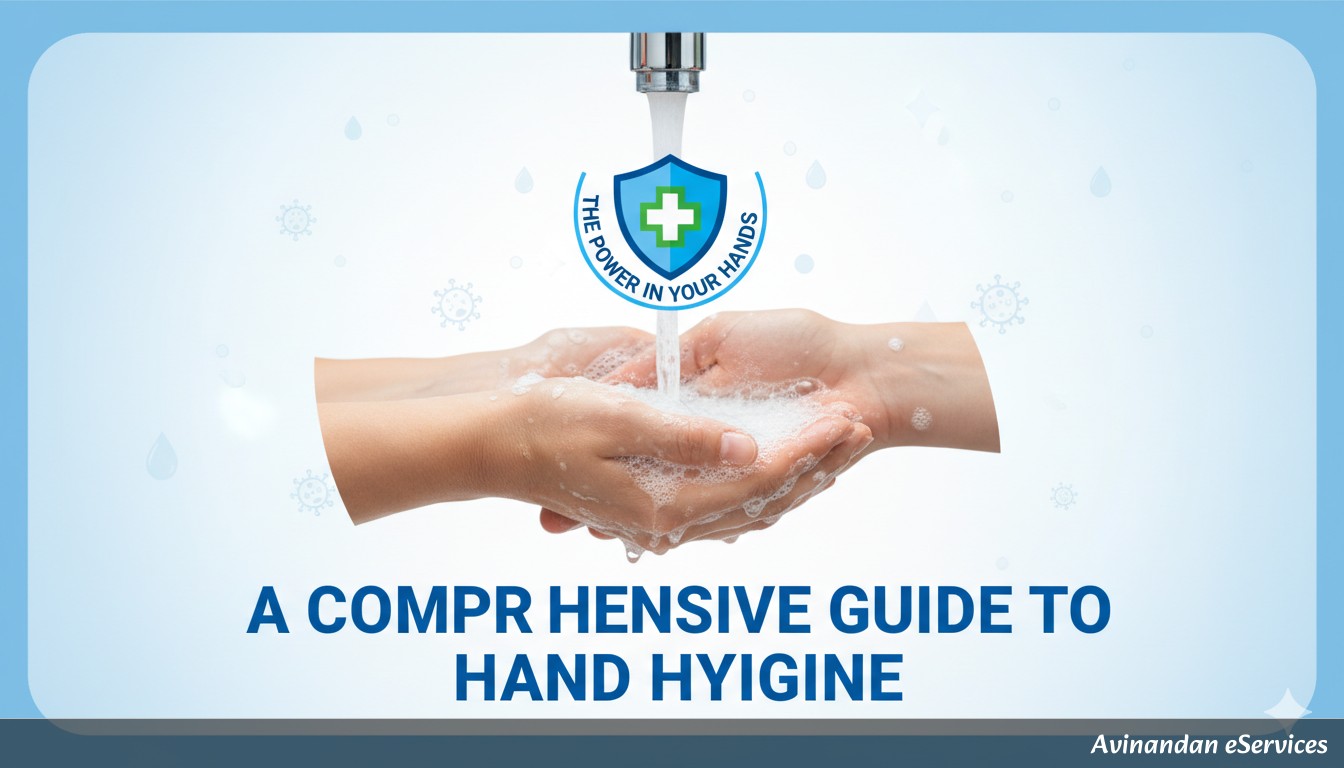
Washing your hands with soap and water is a surprisingly sophisticated process. It's not just about rinsing away visible dirt; it's a chemical and mechanical action that removes harmful germs. The surfactants in soap work to lift dirt, grease, and microbes from the skin. The friction created by rubbing your hands together helps to dislodge these particles. Finally, rinsing with clean, running water washes them away. This combination of soap, friction, and running water is highly effective at reducing the number of germs on your hands.
It's a common misconception that antibacterial soap is necessary for effective handwashing in a non-healthcare setting. Studies have shown that plain soap is just as effective at removing germs that cause common illnesses. In fact, the overuse of antibacterial products can contribute to the development of antibiotic-resistant bacteria, a significant public health concern. Therefore, for everyday use, regular soap and water are the recommended choice.
The Five Steps to a Perfect Handwash
The CDC recommends a simple five-step method for effective handwashing to ensure your hands are thoroughly clean. Following these steps consistently can significantly reduce your risk of getting sick and spreading germs to others.
1. Wet
Wet your hands with clean, running water. The temperature of the water does not impact the effectiveness of germ removal, so use a temperature that is comfortable for you.
2. Lather
Apply soap and lather well. Be sure to lather the backs of your hands, between your fingers, and under your nails, as these are areas where germs can easily hide.
3. Scrub
Scrub your hands for at least 20 seconds. A helpful timer is to hum the "Happy Birthday" song from beginning to end twice. This \textended scrubbing time is crucial for the soap and friction to do their job effectively.
4. Rinse
Rinse your hands well under clean, running water. Ensure all soap residue is washed away to prevent skin irritation.
5. Dry
Dry your hands using a clean towel or air dryer. Properly drying your hands is an important step as germs can be transferred more easily from wet hands.
When to Wash Your Hands: Key Moments for Hygiene
While it's important to wash your hands regularly throughout the day, there are certain times when it is especially critical to prevent the spread of germs. Making a habit of washing your hands during these key moments can significantly protect your health and the health of those around you.
- Before, during, and after preparing food: This is especially important when handling raw meat, poultry, seafood, or eggs to prevent cross-contamination.
- Before eating: Washing your hands before meals prevents the transfer of germs from your hands to your mouth.
- Before and after caring for someone who is sick: This helps to protect both you and the person you are caring for from spreading or contracting an illness.
- After using the toilet, changing diapers, or cleaning up a child who has used the toilet: Feces can contain a high concentration of germs that can cause various illnesses.
- After blowing your nose, coughing, or sneezing: Respiratory droplets can carry cold and flu viruses, which are easily spread by hands.
- After touching an animal, animal feed, or animal waste: Animals can carry germs that can make people sick.
- After touching garbage: Garbage can be a breeding ground for a variety of bacteria.
Hand Sanitizer: A Good Alternative in a Pinch
When soap and water are not readily available, an alcohol-based hand sanitizer that contains at least 60% alcohol can be a good alternative for disinfecting your hands. Hand sanitizers work by killing germs on the skin. However, they are not a perfect substitute for handwashing. Hand sanitizers are not as effective at removing all types of germs, nor can they remove harmful chemicals like pesticides and heavy metals. Additionally, hand sanitizers may not be as effective when hands are visibly dirty or greasy. Therefore, whenever possible, washing your hands with soap and water is the preferred method of cleaning.
The Broader Impact of Hand Hygiene
The benefits of good hand hygiene \textend beyond personal health. In communities, widespread handwashing practices can lead to a significant reduction in the spread of communicable diseases. This results in fewer school and work absences and a healthier population overall. In healthcare settings, hand hygiene is a critical component of infection control, protecting both patients and healthcare workers from hospital-acquired infections.
Furthermore, promoting hand hygiene can play a role in combating antibiotic resistance. By preventing infections in the first place, the need for antibiotics is reduced, which in turn slows the development of resistant bacteria. The simple act of washing your hands is a powerful tool in safeguarding global health.
Conclusion: A Healthier Future is in Your Hands
Hand hygiene is a simple, inexpensive, and highly effective way to protect yourself and your community from a multitude of infectious diseases. By understanding the science behind how handwashing works, mastering the proper technique, and being mindful of the key moments to wash your hands, you can take a proactive role in your health and well-being. Let's all make a conscious effort to embrace this fundamental practice and contribute to a healthier world, one handwash at a time.
References
- Centers for Disease Control and Prevention (CDC) - Handwashing: Clean Hands Save Lives
- World Health Organization (WHO) - World Hand Hygiene Day
- National Health Service (NHS) - How to wash your hands
- Mayo Clinic - Hand-washing: Do's and don'ts
Important Disclaimer
The information provided in this blog post is for educational purposes only and is not a substitute for professional medical advice, diagnosis, or treatment. Always seek the advice of your physician or other qualified health provider with any questions you may have regarding a medical condition.