Introduction to the Topic
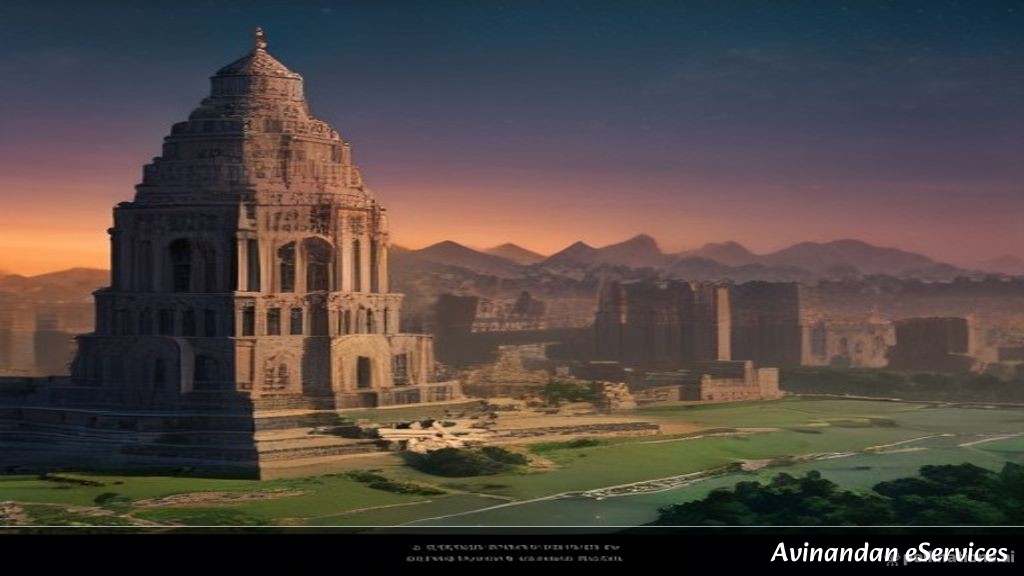
Welcome to an exciting journey back in time! In this post, we will explore Chapter 4 of the Class VI NCERT History textbook, titled In the Earliest Cities. This chapter takes us back about 4,700 years to the northwest of the Indian subcontinent, where some of the earliest cities of the world developed. These ancient urban centers, commonly known as the Harappan or Indus Valley Civilization, hold fascinating secrets about how our ancestors built towns, traded goods, and lived their daily lives. Understanding these ancient cities helps us appreciate the roots of urban planning and human organization in the Indian subcontinent.
Key Concepts Explained
Let us break down the main concepts of this fascinating chapter into simple, easy-to-understand points:
1. The Story of Harappa
Harappa, located in present-day Pakistan, was the first site to be discovered about 150 years ago when railway lines were being laid down in the Punjab region. Engineers stumbled upon city ruins made of high-quality baked bricks. They took away thousands of bricks to build railway tracks, completely unaware that they were destroying a site that was thousands of years old. Later, archaeologists realized that this was one of the oldest cities in the region.
2. Unique Features of Harappan Cities
What makes these ancient cities truly remarkable is their advanced planning. Many of these cities were divided into two or more parts:
- The Citadel: Usually the western part of the city, which was smaller but higher. Archaeologists believe that structures built here were used for special public ceremonies or administrative purposes.
- The Lower Town: The eastern part of the city, which was larger but lower down. This is where ordinary townspeople lived and carried out their daily activities.
The bricks used in these cities were so well-made that they lasted for thousands of years. They were laid in an interlocking pattern, making the walls very strong. In some cities, special buildings were constructed on the citadel. For example, in Mohenjodaro, a very special tank known as the Great Bath was built. It was lined with bricks, coated with plaster, and made water-tight using a layer of tar. Water was brought in from a well and drained out after use. Important people probably took dips in this tank on special occasions.
3. Houses, Drains, and Streets
The houses in Harappan cities were usually one or two stories high, with rooms built around a courtyard. Most houses had a separate bathing area, and some had water supply wells. Perhaps the most impressive feature of Harappan town planning was the drainage system. Drains were covered and laid out in straight lines, with a gentle slope so that water could flow easily. Every house was connected to the street drains, which eventually emptied into bigger main drains. Inspection holes were provided at intervals to clean them. This shows an \textraordinary concern for public health and cleanliness.
4. Life in the City
Harappan cities were very busy places. There were people who planned the construction of special buildings (rulers), scribes who knew how to write and helped prepare seals, and craft persons (both men and women) making all kinds of things in their own homes or workshops. Archaeologists have found many items made of stone, shell, and metal—including copper, bronze, gold, and silver. Copper and bronze were used to make tools, weapons, ornaments, and vessels, while gold and silver were used to make ornaments and beads.
5. Food and Agriculture
While people lived in cities, others lived in the countryside and grew crops and reared animals. Farmers and herders supplied food to craft persons, scribes, and rulers in the cities. Plant remains suggest that the Harappans grew wheat, barley, pulses, peas, rice, sesame, linseed, and mustard. A new tool, the plough, was used to dig the earth for turning the soil and planting seeds. Since the region does not receive heavy rainfall, some form of irrigation must have been used, such as stored water being supplied to the fields when plants were growing.
Summary & Key Takeaways
Here is a quick recap of the most important points to remember from this chapter:
- The Harappan or Indus Valley Civilization flourished around 4,700 years ago in the northwestern part of the Indian subcontinent.
- Cities like Harappa and Mohenjodaro were brilliantly planned, featuring Citadels, Lower Towns, and sophisticated covered drainage systems.
- The Great Bath of Mohenjodaro and multi-roomed brick houses demonstrate advanced architectural and engineering skills.
- People engaged in various occupations, including farming, crafting, trading, and administration.
- Raw materials like copper, bronze, gold, and precious stones were sourced from local and distant places through active trade networks.
- By understanding these early urban centers, we gain valuable insights into the foundations of human civilization and societal organization.